




The Allure of the Simple Shelf
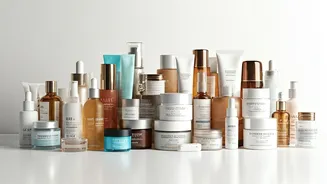
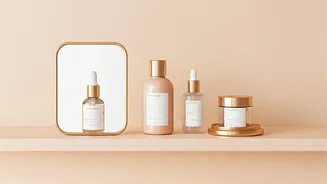
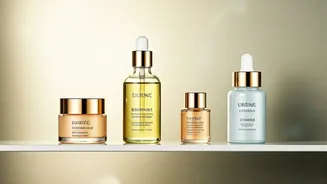
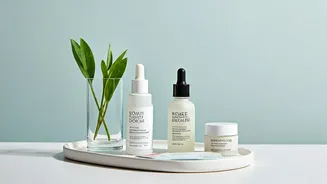
The trend of ‘skinimalism’—a minimalist approach to skincare—has gained immense popularity. The appeal is obvious: a decluttered bathroom cabinet, a faster morning routine, and a lighter travel bag. Multi-purpose products are the heroes of this philosophy,
promising to deliver hydration, sun protection, and anti-aging benefits all in one neat package. This less-is-more approach isn't just about convenience; it's also driven by a desire to reduce potential skin irritation that can come from layering too many products with active ingredients. For many, simplifying their routine is a conscious choice to be more sustainable and mindful about consumption, focusing on quality over quantity.
The Dermatologist’s Verdict
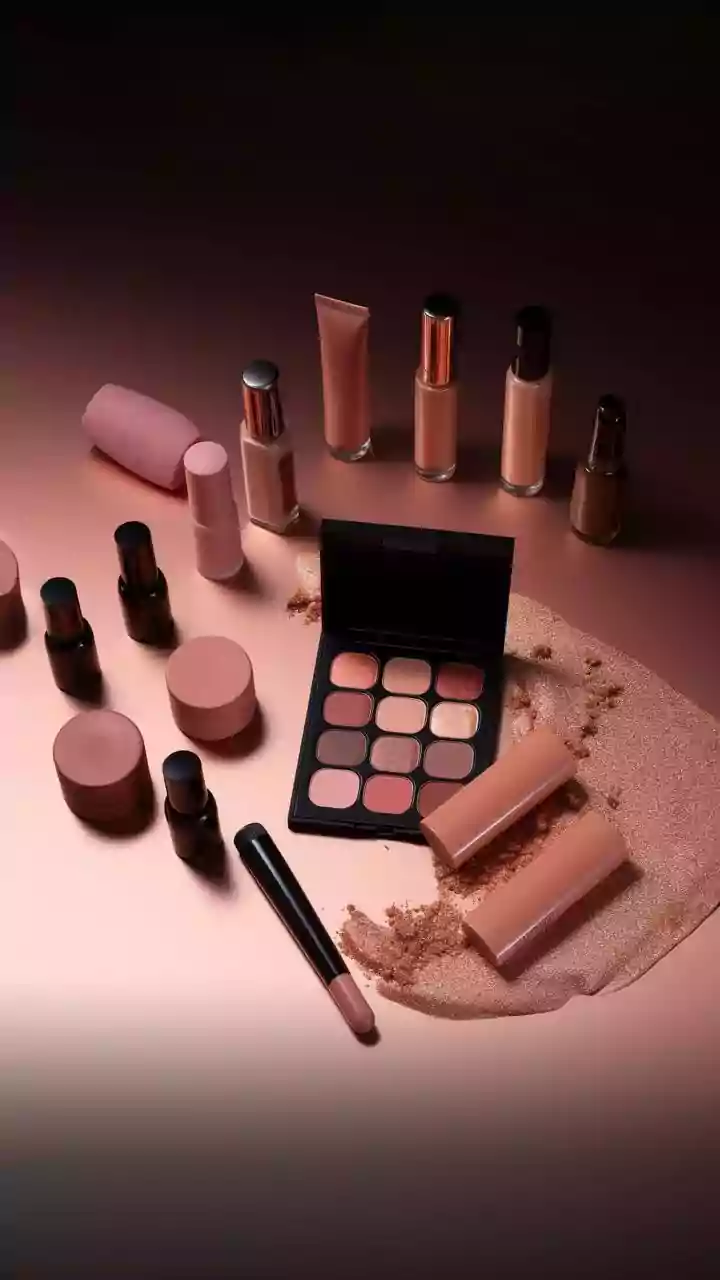
So, what do the experts say? Most dermatologists agree that the effectiveness of a multi-purpose product comes down to its formulation and your specific needs. The challenge for cosmetic chemists is creating a stable product where different ingredients can coexist without compromising each other's efficacy. A cleansing agent's job is to remove oil, while a conditioner's is to deposit moisture; combining them effectively is a delicate balance. While makeup infused with skincare ingredients can offer benefits like hydration or antioxidant support, experts caution that it shouldn't replace a dedicated skincare routine. The concentration of active ingredients in these hybrid products may be too low to deliver significant, long-term results for specific concerns.
Where Multi-Purpose Products Shine
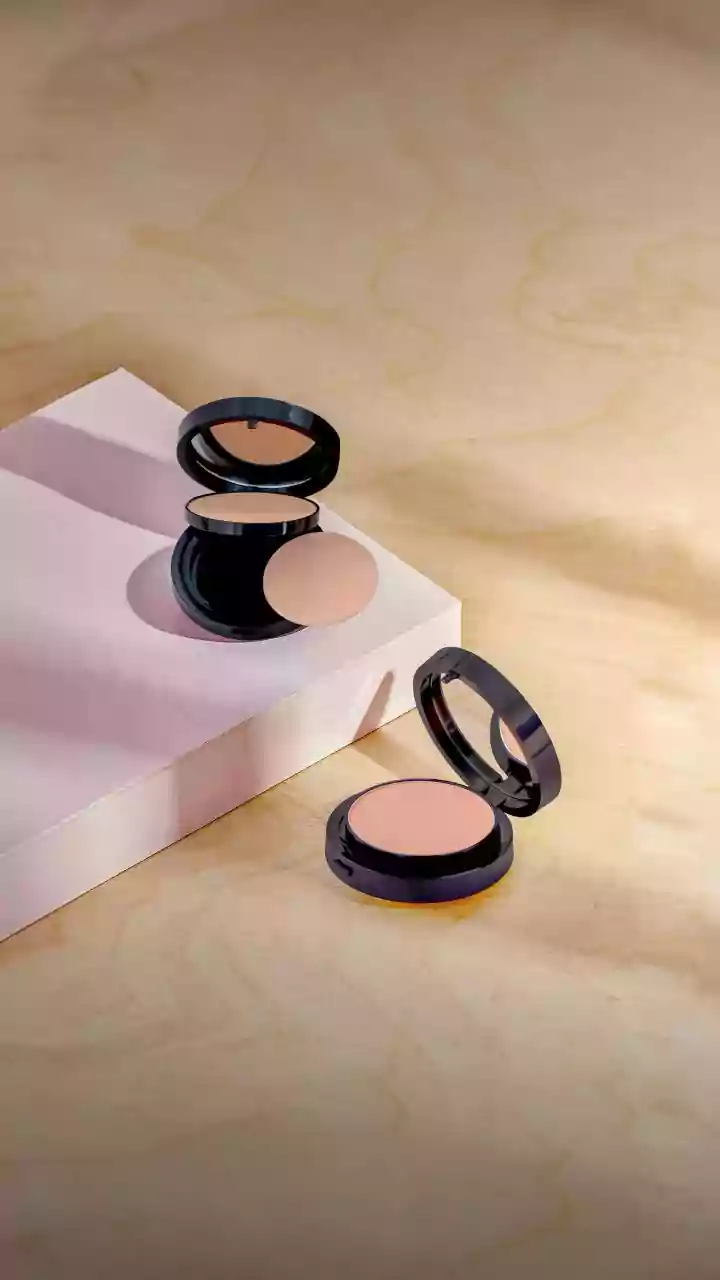
Multi-purpose products are excellent for general maintenance and for those with relatively normal skin or hair without major concerns. Think of them as your go-to for daily upkeep. A 2-in-1 shampoo and conditioner, for example, can be perfect for people with short, healthy hair, or for a quick wash after the gym. Similarly, a tinted moisturiser with SPF is a fantastic option for a low-key weekend look, providing light coverage, hydration, and sun protection in one step. These products are champions of convenience and are certainly better than skipping a step entirely. Using a moisturiser with SPF is far better than using no sun protection at all.
When to Stick to Single-Use Products
The consensus among experts is clear: for targeted treatments, single-purpose products are almost always superior. If you are dealing with specific issues like acne, hyperpigmentation, severe dryness, or signs of aging, you need potent, concentrated ingredients that a multi-tasker is unlikely to provide. For example, dermatologists overwhelmingly recommend a dedicated broad-spectrum sunscreen with an SPF of 30 or higher over a moisturiser with SPF for reliable sun protection. Studies show people tend to apply less of a combination product than is needed for full protection and often miss crucial areas like around the eyes. Likewise, if you have dry, colour-treated, or damaged hair, a separate, intensive conditioner will provide far more nourishment than a 2-in-1 formula.
How to Make the Smart Choice
Navigating the beauty aisle doesn't have to be confusing. When considering a multi-purpose product, the key is to manage your expectations. First, identify your primary goal. If it's convenience for daily maintenance, a multi-tasker is a great choice. If your goal is to treat a specific, persistent issue, invest in a targeted single-purpose product like a Vitamin C serum or a retinol treatment. Always read the ingredient list. Look for proven ingredients in effective concentrations. For sun protection, ensure the product is broad-spectrum and has an SPF of at least 30. Ultimately, the best routine is one you will stick with consistently. A hybrid approach often works best: use multi-purpose products on busy days or for travel, but have your targeted treatments on hand for when your skin needs that extra care.