






Beyond 'Farm-to-Table'
You’ve probably heard of 'farm-to-table', a concept that champions local sourcing. Now, meet its more intense, focused sibling: 'hyperlocal'. This isn't just about sourcing from the same state; it's about sourcing from the immediate locality, sometimes
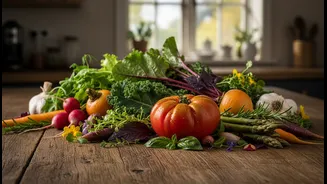
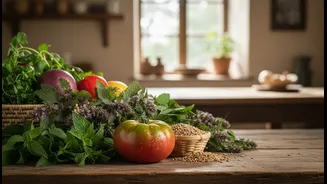
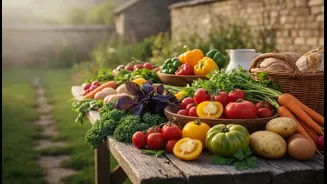
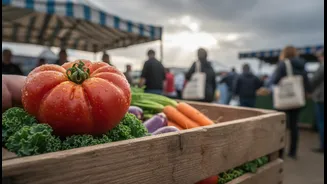
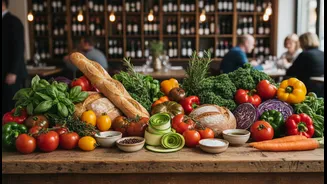
within a few kilometres or even from a restaurant's own backyard garden. This approach means menus are dictated not by a supplier's catalogue, but by what is ripe and ready that very day. The result is a dining experience rooted in ultimate freshness, where ingredients are often harvested just hours before they land on your plate, ensuring peak flavour and nutritional value.
A New Kind of Partnership
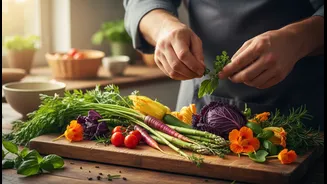
Hyperlocal sourcing fundamentally changes the relationship between a chef and a producer. It transforms from a simple transaction into a deep collaboration. Chefs build direct partnerships with farmers, fishers, and artisanal creators in their community. This creates a powerful, mutually beneficial loop. Farmers get a reliable market for their produce, often including unique heirloom varieties that aren't viable for large-scale distribution. In return, chefs gain access to exceptional, distinctive ingredients that inspire their creativity and give their restaurants a unique identity. In places like Goa and Jodhpur, chefs are working with dozens of local farmers to create unforgettable dining experiences rooted in the community.
The Taste of Right Now
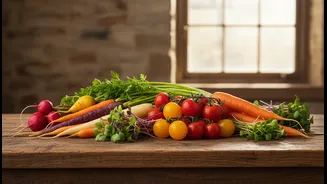
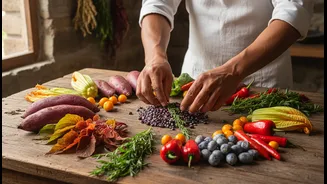
For diners, the most exciting part of this trend is the dynamic and ever-evolving menu. Forget ordering the same favourite dish year-round. A hyperlocal menu is a snapshot of a specific moment in time. Chefs must be nimble and inventive, crafting dishes around the natural bounty of the season. This might mean a monsoon menu rich with foraged greens, a summer menu bursting with mangoes, or a winter menu celebrating root vegetables. This philosophy encourages diners to stop asking why something is missing and start asking what’s special today, creating a more engaged and adventurous eating experience.
Challenges on the Creative Path
This approach is not without its hurdles. The reliance on seasonal availability means dealing with fluctuating supply and prices, and sometimes ingredients can be unpredictable. Customers accustomed to static menus may initially be resistant to frequent changes. Success requires excellent communication, with staff trained to explain the 'why' behind the menu—the story of the season and the harvest. Restaurants are also using technology, from inventory software to digital storytelling, to manage these complexities and educate their guests about the value of seasonal eating.
More Than a Meal
The impact of hyperlocal dining extends far beyond the restaurant's four walls. By shortening supply chains, it dramatically reduces the carbon footprint associated with long-distance food transportation and minimizes packaging waste. This model also boosts local economies, keeping money within the community and providing vital support to small-scale farmers and producers. It encourages sustainable agricultural practices and helps preserve India's incredible biodiversity by creating a market for indigenous crops and heirloom varieties that might otherwise be forgotten. It's a movement that nourishes the community and the environment just as much as it does the diner.