





Start with the Basics: A Thorough Vehicle Service
Before you even think about packing, book a thorough service for your vehicle. This is non-negotiable for a monsoon ghat trip. A mechanic should inspect key components that are put under stress during steep climbs and descents. Inform them about your travel
plans so they can pay special attention to the brakes, engine health, and electrical systems. A pre-trip service is the single most important step to prevent breakdowns in remote areas where help might be hours away. This is your foundation for a safe and worry-free journey.
Tyres: Your Only Connection to the Road
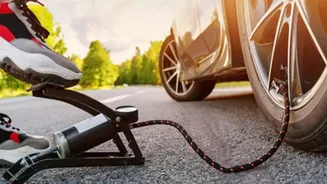
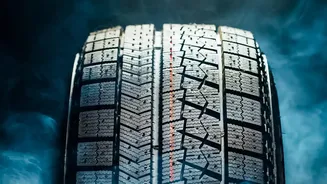
Your tyres are critical for maintaining grip on wet, slippery roads. Check the tread depth; if your tyres look bald or the tread wear indicator is visible, replace them. Properly inflated tyres are just as important. Check the pressure, including the spare, when the tyres are cold. Under-inflated or over-inflated tyres can severely affect handling and braking, which is the last thing you want while navigating a sharp hairpin bend in the rain. A quick check can prevent a potential skid.
Brakes: Your Most Important Safety System
Ghat roads are demanding on your brakes. Ensure your brake fluid is topped up and clean. If you hear any squealing or feel vibrations when braking, get the system checked immediately. Remember that driving through water can reduce brake efficiency. After passing through a waterlogged patch, gently tap your brakes a few times to dry them out and restore their effectiveness. Never coast downhill in neutral, as this puts immense strain on the brakes and can lead to failure; instead, use a lower gear to control your speed with engine braking.
Visibility is Key: Wipers and Lights
Heavy rain and fog can reduce visibility to almost zero in the ghats. Your wipers and lights are your first line of defence. Ensure your wiper blades clean the windshield effectively without leaving streaks. Top up your windshield washer fluid, as you'll need it to clear mud and grime splashed by other vehicles. Check all your lights: headlights, tail lights, brake lights, and especially fog lamps, which are essential for dense monsoon fog. Properly functioning lights not only help you see but also ensure other drivers can see you.
Driving Techniques for Ghat Roads
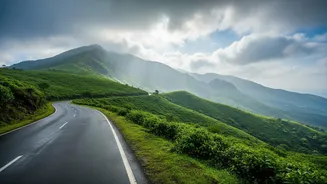
Driving on ghats requires a different mindset. Always stick to your lane and honk on blind curves and hairpin bends to alert oncoming traffic. The golden rule is to give way to vehicles driving uphill, as they require more momentum and effort. Avoid sudden acceleration or braking. Overtake only when you have a clear, long stretch of road, a rarity in the ghats. It’s safer to stay patiently behind a slow-moving truck than to risk a dangerous manoeuvre. Finally, avoid looking down into the valleys, as it can be distracting and cause vertigo.
Hack Your Overnight Stay and Supplies
For an overnight trip, plan your stops in advance. Avoid driving on treacherous, unlit ghat sections at night. Pack an overnight bag with essentials so you don't have to unpack your entire luggage for a one-night halt. Carry enough snacks, drinking water, and a flask of hot tea or coffee. Pack a comprehensive emergency kit including a first-aid box, a powerful torch, a tow rope, jumper cables, and a puncture repair kit. It's also wise to have a power bank for your phone, as finding charging points can be difficult.
Offline Maps and Connectivity
Mobile networks are notoriously unreliable in mountainous regions. Do not depend solely on live navigation. Before you start your journey, download offline maps of your entire route on Google Maps or a similar app. This ensures you can navigate even without an internet connection. Inform your family or friends of your itinerary and planned night halts. Having a pre-downloaded list of service stations and hotels along the route is also a smart move in case of an emergency.