





Your First Line of Defence: Tyres
Your tyres are the single most important safety feature in wet weather, as they are your only connection to the road. For both cars and two-wheelers, the first check should be tread depth. The grooves in your tyres are designed to channel water away,
preventing a loss of traction. Worn tyres with shallow tread cannot clear water effectively, increasing the risk of hydroplaning, where the tyre loses contact with the road surface. Also, check that your tyres are inflated to the manufacturer's recommended pressure. Properly inflated tyres maintain their shape and ensure the tread makes optimal contact with the road for better grip.
See and Be Seen: Wipers and Lights
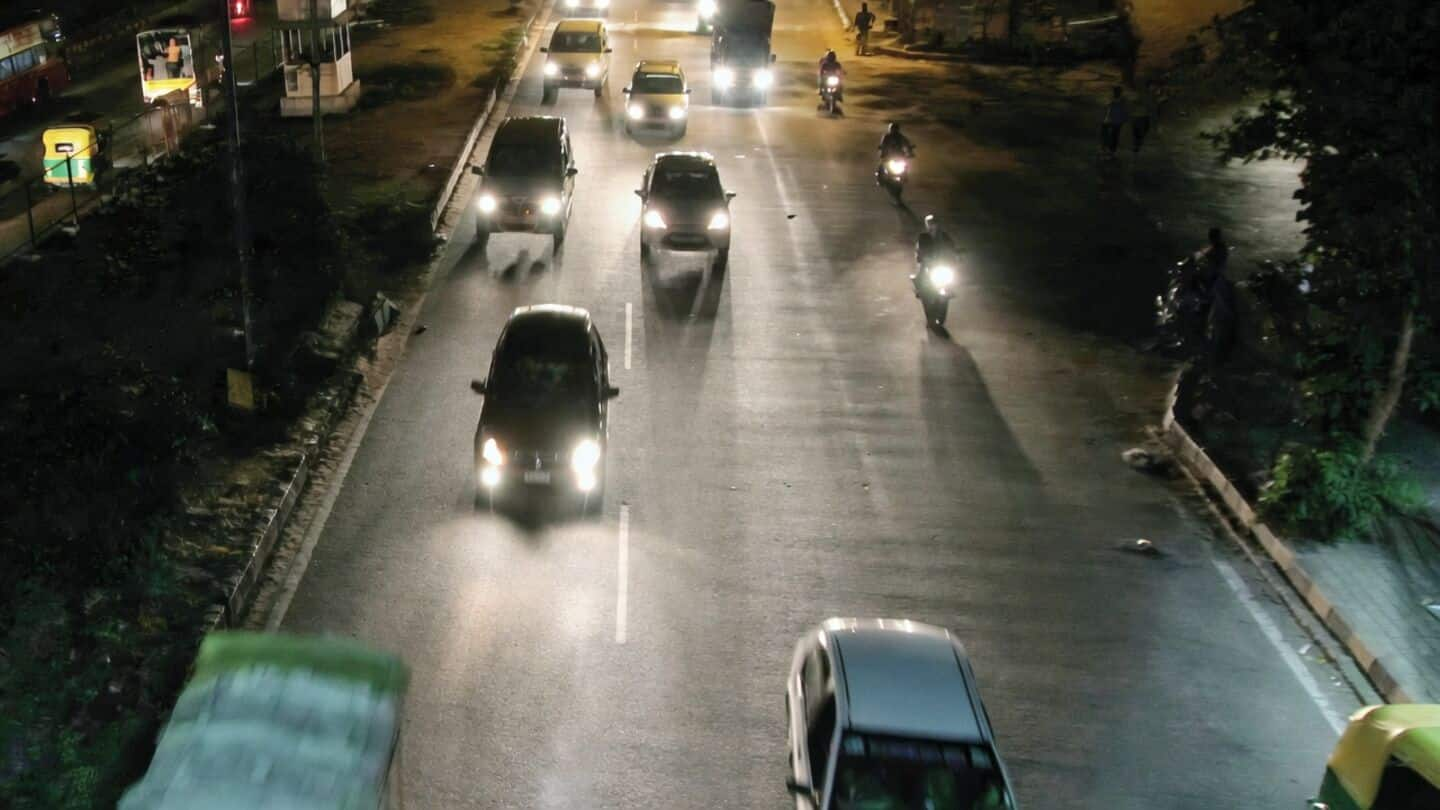
Visibility is drastically reduced during a downpour for you and other road users. Before you set off, test your windscreen wipers. If they leave streaks or skip across the glass, it's time to replace the blades. Sun and heat can make the rubber brittle, and discovering your wipers are ineffective in a storm is a hazardous situation. Also, top up your washer fluid. Next, do a quick walk-around of your vehicle and check all your lights: headlights, taillights, brake lights, and turn signals. Functioning lights are crucial for helping you see the road and, just as importantly, for helping other drivers see you.
For Car Drivers: Clear Your View
Once you're inside the car, a new visibility challenge arises: fogged-up windows. High humidity and rain can cause your windows to mist over in seconds. Before you start driving, know how your car's defroster system works. For most modern cars, turning on the air conditioning along with the heat directed at the windshield is the fastest way to clear interior fog. Keeping your windows clean on the inside and out can also significantly improve visibility when rain starts to fall.
For Two-Wheeler Riders: Gear and Visibility
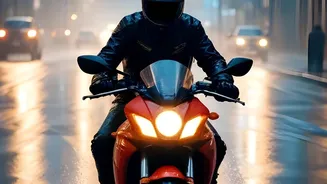
For motorcyclists, preparation extends beyond the bike itself. Investing in proper waterproof gear is essential not just for comfort, but for safety. Being cold and drenched is a major distraction that can impair your focus. Equally important is visibility. Rain makes a motorcycle and its rider much harder to see. Opt for high-visibility or brightly coloured gear, and ensure your helmet has an anti-fog visor or treatment. Before you ride, also check your brakes and chain. Wet roads increase stopping distances, so your brakes must be in top condition. Rain can wash lubricant off your chain, so ensuring it's properly lubed will prevent performance issues.
On the Road: Adjust Your Technique
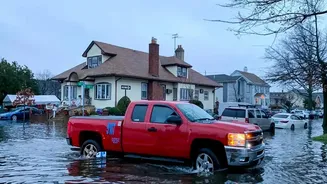
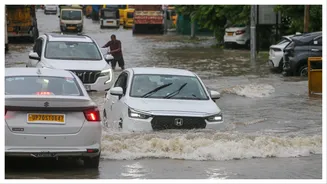
Once you're moving, the most important adjustment is to slow down. Speed is a major factor in hydroplaning, which can happen even at lower speeds on very wet roads. Increase your following distance to at least a three-second gap from the vehicle in front, as your braking distance will be longer. Be smooth with all your inputs—steering, braking, and acceleration. Sudden, jerky movements can easily lead to a loss of traction. Finally, be wary of puddles and standing water. They can hide deep potholes or other hazards, and driving through them can lead to hydroplaning or splashing water into your engine or electrical systems.