



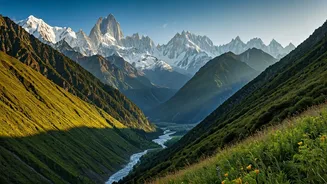


Great Himalayan National Park, Himachal Pradesh
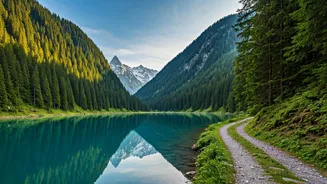
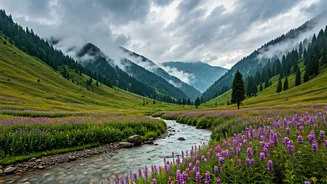
A UNESCO World Heritage Site, the Great Himalayan National Park (GHNP) is the epitome of a pristine Himalayan wilderness. [5] Spread across the Kullu district, its forests are a mix of alpine meadows and dense woods, accessible through gateways in the Tirthan
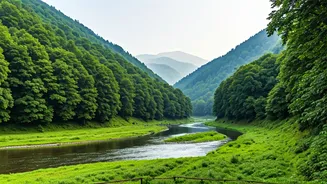
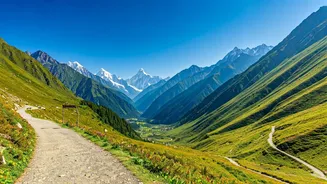
and Sainj Valleys. [7] Reaching the core of the park isn't a simple drive; it requires a permit and a willingness to trek. [14] The 'steps' here are literal, ranging from gentle one-day hikes like the Chhoie Waterfall Trek to strenuous multi-day expeditions to the sources of the Tirthan or Sainj rivers. [5, 19] The reward is immense: camping in absolute wilderness, spotting rare wildlife, and experiencing landscapes untouched by mass tourism. The park is best visited between April and June or September and November for clear skies and accessible trails. [14, 18]
Binsar Wildlife Sanctuary, Uttarakhand
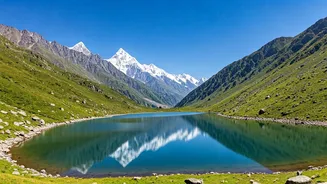
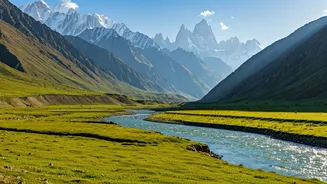
Once the summer capital of the Chand kings, Binsar is now a serene wildlife sanctuary prized for its dense forests of oak and rhododendron. [10, 8] Unlike larger, safari-focused parks, Binsar's charm lies in its quiet intimacy. [10] Located just 35 km from Almora, the sanctuary offers over 60 km of hiking trails where walking is the best way to explore. [8, 13] The most popular trail is the 2 km trek to Zero Point, the sanctuary's highest point, which offers a breathtaking 300-km panoramic view of Himalayan peaks like Nanda Devi, Trishul, and Chaukhamba. [6, 15] Home to leopards, barking deer, and over 200 species of birds, every step through these forests is a lesson in biodiversity. [8]
Jim Corbett National Park (Core Zones), Uttarakhand
While Jim Corbett is India's most famous tiger reserve, its true forest escape lies beyond the bustling main gates. The park is divided into several zones, with core areas like Dhikala and Bijrani offering a far more immersive and wild experience. [9, 12] Accessing these zones often requires staying in the British-era forest rest houses inside the park, which books up months in advance. [9] The Dhikala zone, renowned for its vast grasslands and high tiger density, is considered the best for sightings. [11, 12] Exploring these areas involves jeep safaris through dense Sal forests and along the Ramganga River, where you are more likely to see wild elephants, spotted deer, and the elusive tiger in a truly natural habitat. [9]
The Fairy Forest of Pulga, Himachal Pradesh
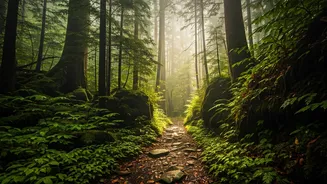
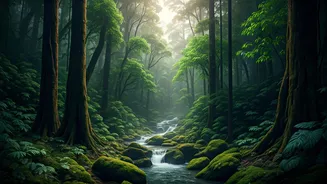
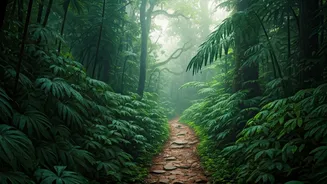
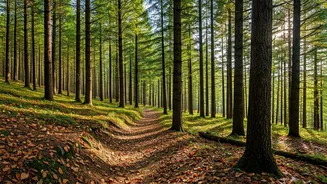
For those seeking a truly offbeat forest escape, the village of Pulga in Parvati Valley is a hidden gem. [32] Reachable only by a hike from the nearest road, Pulga is famous for its 'Fairy Forest', a stunningly dense and ancient-feeling deodar forest. The trails here are not for expeditions but for quiet contemplation. You can spend hours walking under the towering pine and deodar trees, picnicking in meadows, and simply absorbing the profound tranquility of the area. [32] This escape is less about conquering a peak and more about losing yourself in the woods, with the only sounds being the wind in the trees and the distant rush of the Parvati River. It's an escape that proves the journey—and the steps taken—are the destination.