





More Than Just a Plant Problem
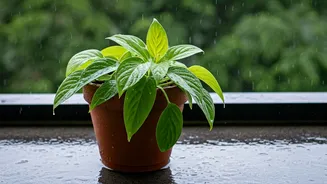
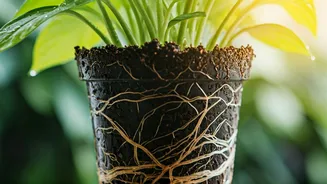
The most immediate victim of overwatering is, of course, the plant itself. When roots sit in waterlogged soil, they are starved of oxygen, leading to a condition called root rot. This decay prevents the plant from absorbing nutrients, causing classic
symptoms like yellowing, wilting leaves that are soft to the touch, and stunted growth. You might also notice fungus gnats hovering around the soil or even a musty, rotten smell. But the trouble doesn't stop there. Persistent moisture can lead to far more expensive and dangerous consequences that extend beyond your flowerpots.
The Hidden Weight of Water
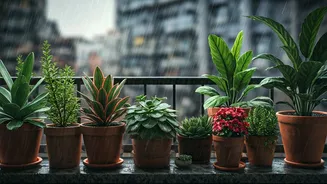
Soil is heavy, but wet soil is significantly heavier. A single large planter can weigh over 100 kg once saturated with water. Most residential balconies are designed to support a 'live load' of around 50 to 100 pounds per square foot, which includes people, furniture, and your garden. It’s easy to misjudge the cumulative weight of multiple large pots filled with wet soil. Over time, this excessive load can strain the balcony's structure. Using lightweight potting mixes, which often contain perlite or coco coir, and choosing fibreglass or plastic containers over heavy ceramic can help manage this risk.
The Slow Creep of Structural Damage
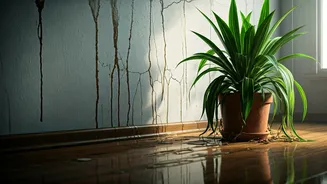
Constant dampness is the enemy of building materials. Water that repeatedly overflows from pots or leaches from waterlogged soil can slowly degrade your balcony's surface. Concrete, though it seems robust, is porous and can absorb this moisture. This can lead to spalling, where the surface cracks and flakes away. If water reaches the steel rebar inside the concrete, it can cause rust and corrosion, which makes the metal expand and puts immense pressure on the surrounding concrete, weakening the balcony's integrity from within. Wooden balconies are even more vulnerable, with chronic moisture leading to rot that can compromise safety.
Being a Good Balcony Neighbour
Your watering habits can also affect those living around you. Runoff from overwatered plants is a common source of neighbourly disputes. Water dripping onto a downstairs balcony can stain furniture, create a slipping hazard, and simply be a nuisance. In many apartment buildings, bylaws hold residents responsible for any damage their water runoff causes to common property or other units. Consistently allowing water to cascade down the side of the building can lead to formal complaints with the building management or homeowners' association.
Smart Watering Strategies for Balconies
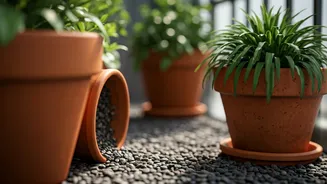
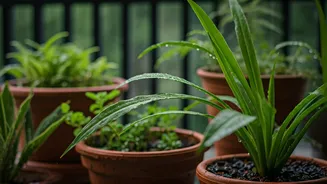
The good news is that these problems are entirely preventable with mindful watering techniques. First, always check the soil before you water. Stick your finger a few inches deep; if it feels moist, wait another day. Ensure every pot has drainage holes to allow excess water to escape. Using saucers or trays is essential to catch this runoff, but be sure to empty them so the pot isn't left sitting in a puddle. For best results, water plants slowly at the base, directing water to the soil rather than the leaves, and do so in the morning to allow for evaporation during the day. Grouping plants with similar water needs can also help simplify your routine and prevent accidental overwatering.