








A Season of Deficit
The southwest monsoon officially wrapped up on September 30, 2026, leaving the country with a significant rainfall shortfall. According to the India Meteorological Department (IMD), the cumulative rainfall for the June to September season was about 13%
below the Long Period Average (LPA). This makes it the driest monsoon since 2015 and the fourth-lowest since 2001. The season was marked by erratic performance, with a severe deficit in June, a slight surplus in July, and below-normal rainfall again in August and September. The distribution was also highly uneven; while Central India received near-normal rain, the southern peninsula and eastern regions suffered deficits of around 24%.
The Direct Hit on Kharif Crops
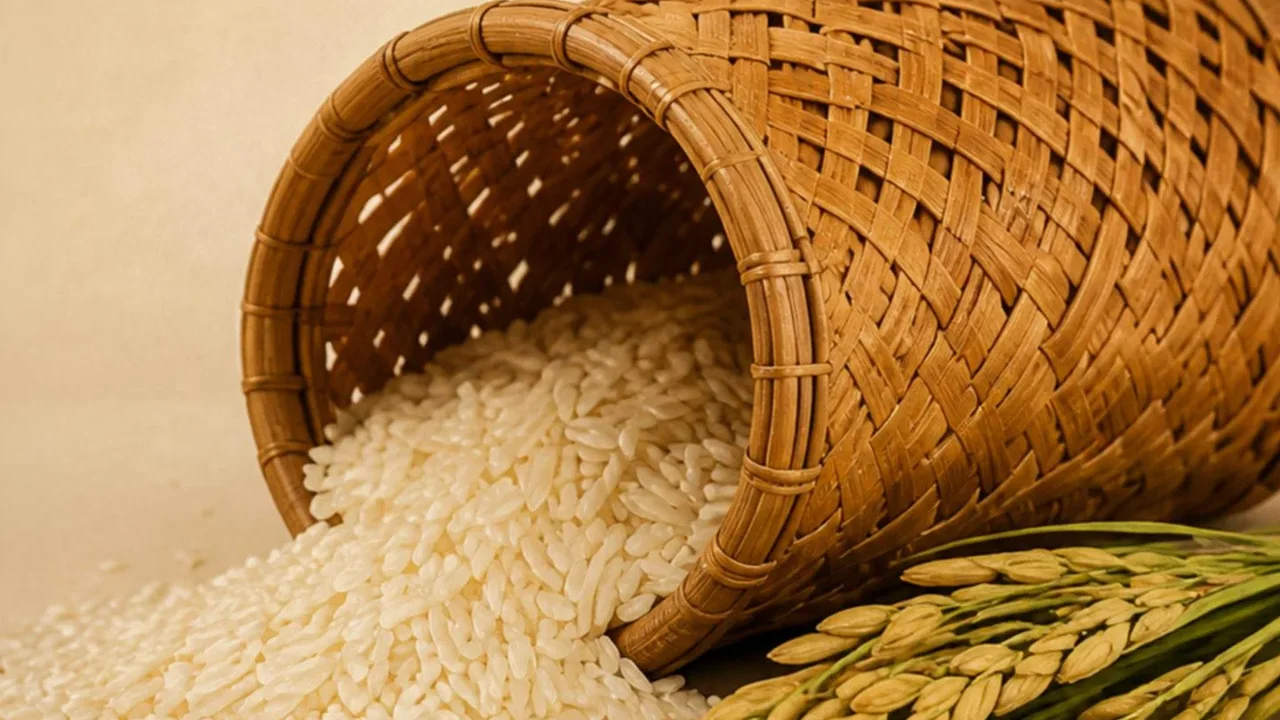
The poor rainfall has directly impacted the sowing and development of kharif (monsoon) crops, which are vital for the nation's food supply. Rain-fed agriculture, which covers nearly half of India's farmland, is particularly vulnerable. By the end of September, overall kharif sowing was trailing previous years. Key crops like rice, cotton, pulses, and soybeans faced moisture stress during critical growth stages. Data from various states shows a notable decrease in the area sown for paddy, with significant reductions in Karnataka, Telangana, and Andhra Pradesh. This shortfall in planting, combined with the potential for lower yields from moisture-stressed crops, points towards a contraction in agricultural output for the season.
Squeezing Rural Incomes
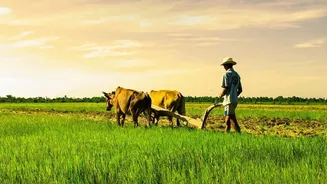
For India's vast rural population, a weak monsoon translates directly into financial distress. Agriculture is a primary source of livelihood for nearly half of the country's workforce. Lower crop yields or outright crop failure means a direct loss of income for farmers. This financial strain is expected to dampen rural demand in the latter half of the fiscal year. Rating agency ICRA has already revised its agriculture growth forecast for the year downward to just 1%, citing the poor monsoon. Economists have noted that rural incomes are likely to take a hit, increasing the reliance on government safety nets like the PM-KISAN income support scheme to cushion the blow for farming households.
The Ripple Effect: Food Inflation
Reduced agricultural production inevitably puts upward pressure on food prices, an issue that affects every household in the country. With the harvest of key staples like pulses expected to see a sharp drop, the government is already considering measures like reducing import tariffs to stabilize domestic supply. Food inflation stood at 5.95% in August 2026, and the effects of the weak monsoon are expected to create further upside risks. Analysts project that food inflation could cross the 7% mark by October. The price of essentials is a major concern, particularly with rural areas already feeling the pinch more sharply than urban centers.
Concerns for the Next Crop
The impact of the weak monsoon extends beyond the kharif season. The rainfall is crucial for replenishing the country's major reservoirs, which are vital for the upcoming rabi (winter) crop season that relies heavily on irrigation. As of late September, water storage in major reservoirs was significantly lower than the previous year and the historical average, standing at just 71% of full capacity. This is a particular concern for southern and northern states, where depleted reservoirs could compromise the planting and growth of winter crops like wheat. The focus now shifts to how well these water resources are managed and whether winter rains can offer any relief.