
The Land of Honey and Farmers
To understand Kongunadu food, you must first understand the land. The 'Kongu Nadu' region encompasses the western part of Tamil Nadu, including cities like Coimbatore, Erode, Salem, and Tirupur. Historically an agrarian belt, its cuisine was shaped by
what was grown locally. This is a semi-arid region, which influenced a reliance on hardy millets like pearl millet (kambu) and finger millet (ragi), pulses, and oilseeds. The name 'Kongu' itself is believed to translate to 'nectar' or 'honey', hinting at a land rich in natural resources. Unlike the fiery Chettinad cuisine, Kongu food is gentler on the palate, focusing on highlighting the main ingredient's natural taste rather than overpowering it with heat.
A Different Approach to Spice
The soul of Kongunadu cooking lies in its freshly prepared masalas. There's a notable absence of pre-made powders; instead, spices like coriander seeds, fennel, and red chillies are roasted and ground for each dish, ensuring maximum aroma and flavour. One of the most defining characteristics is the minimal use of marination. Meats and vegetables are often cooked directly, allowing their inherent flavours to shine through. The region is one of India's largest producers of turmeric, and this golden spice is used generously, lending a deep colour and earthy aroma to many preparations. Another key differentiator is the use of coconut. While coastal Tamil food uses fresh coconut milk, Kongu cuisine often opts for dried coconut (copra), either as thin slices or roasted and ground, which adds a nutty depth and unique texture.
Signature Dishes to Savour
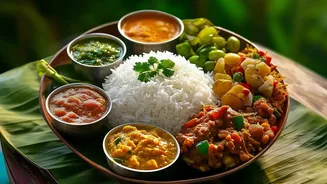
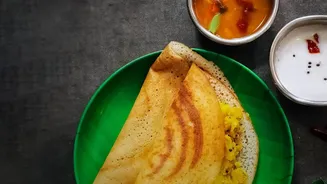
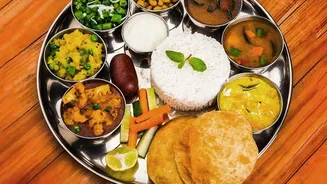
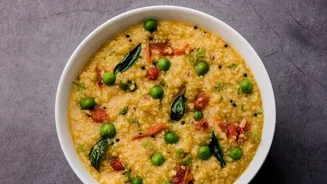
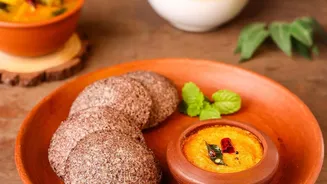
No culinary journey through Kongunadu is complete without trying Pallipalayam Chicken. Named after a town near Erode, this iconic dish is deceptively simple, made with generous amounts of shallots, sliced coconut, and red chillies. Another must-try is Arisi Paruppu Sadam, a humble yet immensely satisfying one-pot meal of rice and lentils, often finished with a dollop of ghee. For non-vegetarians, the offerings are robust and flavourful, including dishes like Kongu Mutton Biryani, which uses short-grain seeraga samba rice, and various 'chukka' preparations (dry-fried meat). Vegetarians will find delight in dishes like Kambu Dosa (pearl millet dosa) and Pacha Puli Rasam, a unique raw tamarind soup that is both tangy and digestive.
The Philosophy of Freshness
At its heart, Kongunadu cuisine is about celebrating fresh, locally sourced ingredients. The emphasis is on wholesome, balanced meals that are flavourful but not heavy. Shallots, or small onions, are favoured over larger onions for their sweeter, more intense flavour. The use of sesame oil and groundnut oil, both produced abundantly in the region, is also common. This philosophy extends to every part of the meal, from flavourful chutneys like the Kothamalli Chutney (coriander chutney) to desserts like Elaneer Payasam, a delicate pudding made from tender coconut. It is a cuisine that feels connected to the earth, reflecting a simpler, more traditional way of cooking where nothing is wasted and everything has its purpose.