


Embrace a Modern Cooking Mindset
The thought of making festive snacks like mathri, chakli, or laddoos from scratch can be daunting. It evokes images of spending entire days in the kitchen, a luxury most working individuals cannot afford. But keeping traditions alive doesn't have to mean
compromising your sanity or your schedule. The solution is to work smarter, not harder. Batch cooking is a system where you prepare ingredients or full dishes in advance, saving significant time later. For festive snacks, this means breaking down the process into manageable steps that fit into your life, allowing you to enjoy fresh, homemade treats without the last-minute frenzy.
Create Your Festive Game Plan
A successful batch-cooking session starts with a solid plan. Begin by listing the snacks you want to make. Prioritise recipes that have a good shelf life and are suitable for making ahead. Dry snacks like shankarpali, namak pare, and baked mathri can last for weeks if stored correctly. Sweets like besan laddoos also hold up well. Once you have your list, create a simple timeline. Schedule a few hours over the weekend before the festivities begin for your main prep and cooking session. This planning phase prevents overwhelm and turns a massive task into a series of achievable goals.
The Power of Pre-Preparation
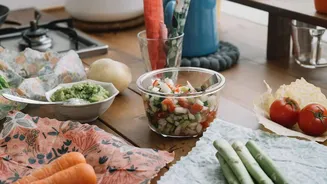
The secret to efficient cooking is 'mise en place'—having all your ingredients prepped and ready to go. You can do this a day or two before your main cooking day. This includes tasks like roasting and grinding flours (like besan for laddoos), preparing spice mixes, making purees, or chopping nuts and dry fruits. For many dough-based snacks, you can prepare the dough, wrap it tightly, and refrigerate it. Some doughs can even be frozen. Similarly, fillings for snacks like kachoris or samosas can be made ahead and stored. These small steps drastically cut down the time you spend on the actual cooking day.
Cook in Efficient, Dedicated Batches
With your ingredients prepped, the cooking day becomes an assembly line of activity rather than a chaotic scramble. Group similar tasks together. If you are frying multiple items, do them all in one go to save oil and time. Start with the items that require the lowest oil temperature and move to those that need higher heat. If you're baking, use the oven's capacity to bake multiple trays of snacks at once. While one batch is in the oven or frying pan, you can be shaping or rolling the next. This methodical approach is the core of batch cooking, transforming a marathon of a task into a well-paced sprint.
Snack Ideas Perfect for Batching
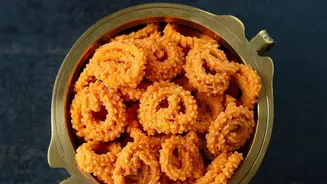
Not all festive snacks are created equal when it comes to making them ahead. Excellent candidates for batch cooking include dry, crunchy snacks that store well. Think of Namak Pare or Shankarpali (sweet or savoury), where you can make a large batch of dough and fry it. Murukku or Chakli batter can be prepared, and the snacks can be fried and stored for weeks. Roasted Chivda or poha mixture is another fantastic option; you can prepare a large container of it to last through the festive season. For sweets, Laddoos made from besan, atta, or sooji are ideal as their flavour often improves after a day or two.
Store for Lasting Freshness and Flavour
Proper storage is crucial to ensure your hard work pays off. Before storing, allow all snacks to cool down completely to room temperature. Packing them while still warm will create condensation and make them lose their crispness. Use clean, dry, airtight containers—steel tins are a traditional and effective choice. Keep fried items separate from baked ones. Most dry snacks like mathri and chakli will stay fresh for two to three weeks at room temperature, away from direct sunlight. Laddoos and other non-syrupy sweets also last well in airtight containers, preserving that homemade taste for all your guests to enjoy.