







Beyond the Gram Count
Most of us know that fibre is crucial for good health. It aids digestion, helps manage weight, and can lower the risk of several chronic diseases. The standard advice has been to hit a daily target—around 25-38 grams for most adults. While this is a great
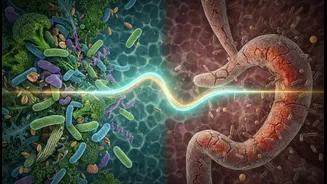
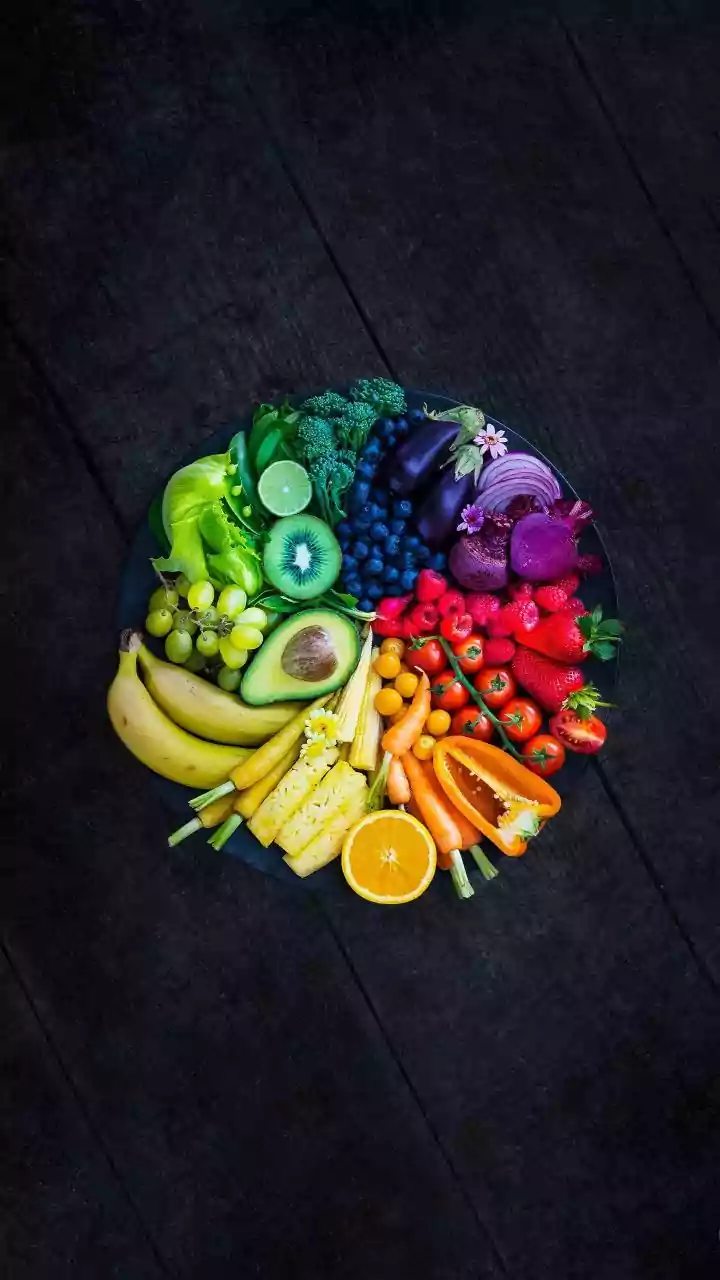
starting point, nutrition science is revealing a more nuanced picture. The focus is shifting from a single number to the diversity of fibre sources. Your gut microbiome, the community of trillions of bacteria living in your digestive tract, is a complex ecosystem. Just like any ecosystem, it thrives on diversity. Feeding it the same type of fibre every day is like eating the same meal over and over—it’s better than nothing, but far from ideal. Different fibres feed different beneficial bacteria, promoting a balanced and resilient gut environment.
Meet the Fibre Family
Not all fibres are created equal; they fall into different categories with unique benefits. Soluble fibre, found in oats, beans, apples, and carrots, dissolves in water to form a gel-like substance. This process can help lower blood cholesterol and glucose levels. Insoluble fibre, found in whole-wheat flour, nuts, and vegetables like cauliflower and green beans, does not dissolve. It adds bulk to stool and helps food pass more regularly through your digestive system, preventing constipation. A third important category is prebiotic fibres. These are non-digestible fibres that act as food for your gut's good bacteria. Sources rich in prebiotics are often hiding in plain sight in Indian kitchens, including garlic, onions, slightly unripe bananas, and whole grains like barley.
Breakfast: Start Your Day Diverse
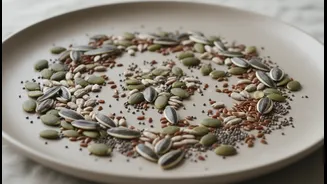
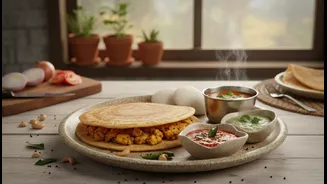
Your first meal is a perfect opportunity to introduce a mix of fibres. Instead of a simple refined-carbohydrate breakfast, think in layers. A bowl of masala oats provides soluble fibre; top it with flaxseeds or almonds for insoluble fibre and healthy fats. If you prefer a savoury start, a vegetable dal chilla made from moong dal is an excellent source of protein and fibre. Adding chopped spinach or grated carrots increases the diversity. Even a simple poha can be elevated by adding green peas, peanuts, and a variety of other vegetables. Swapping regular idlis for those made with brown rice or millets like ragi also boosts your morning fibre intake.
Lunch and Snacks: The Midday Boost
Keep the momentum going at lunchtime. A traditional Indian thali is naturally designed for diversity. A serving of dal (like masoor or tuvar), a sabzi made with seasonal vegetables like bhindi or beans, and rotis made from whole wheat or millets like jowar and bajra create a fibre-rich and balanced meal. Adding a side salad of raw onion, tomato, and cucumber provides even more fibre types. For snacks, ditch the processed packets. A handful of roasted chana, a piece of fruit like a guava or an apple (with the skin on), or a small bowl of sprouts chaat are all fantastic, fibre-packed options to keep you full and energised between meals.
Dinner: End on a High Note
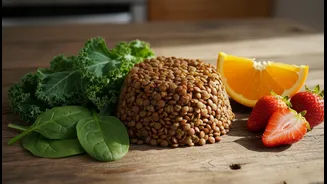
Your final meal of the day is your last chance to nourish your gut. A vegetable khichdi, made with a mix of rice, lentils, and plenty of vegetables like carrots and peas, is a comforting and complete meal. Soups are another excellent way to pack in fibre; a hearty lentil or mixed vegetable soup can be both light and satisfying. If you’re having rotis, choose multigrain or millet-based options. Pair them with a legume-based curry like rajma or chole, which are high in both soluble and insoluble fibre. By the end of the day, the goal is not to have just hit a number, but to have consumed a colourful variety of grains, legumes, fruits, and vegetables.