
The Breakfast Bowl's Big Shift
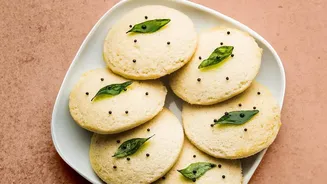
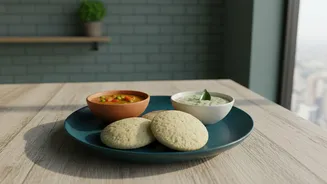
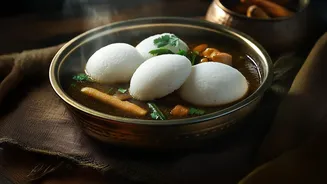
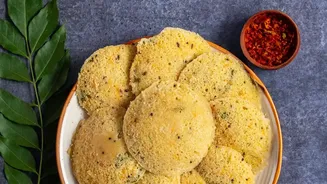
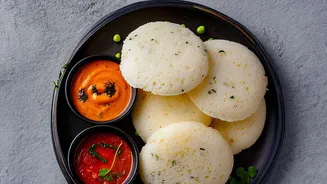
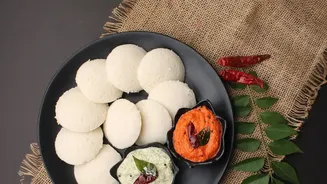
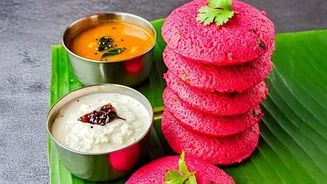
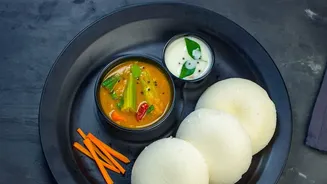
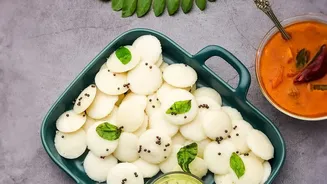
In bustling cities across India, a noticeable trend is taking root in the kitchen. The morning rush, which once made cornflakes and muesli a default choice, is now seeing a deliberate pivot towards heritage grains. Steamed idlis and soft appams, but with
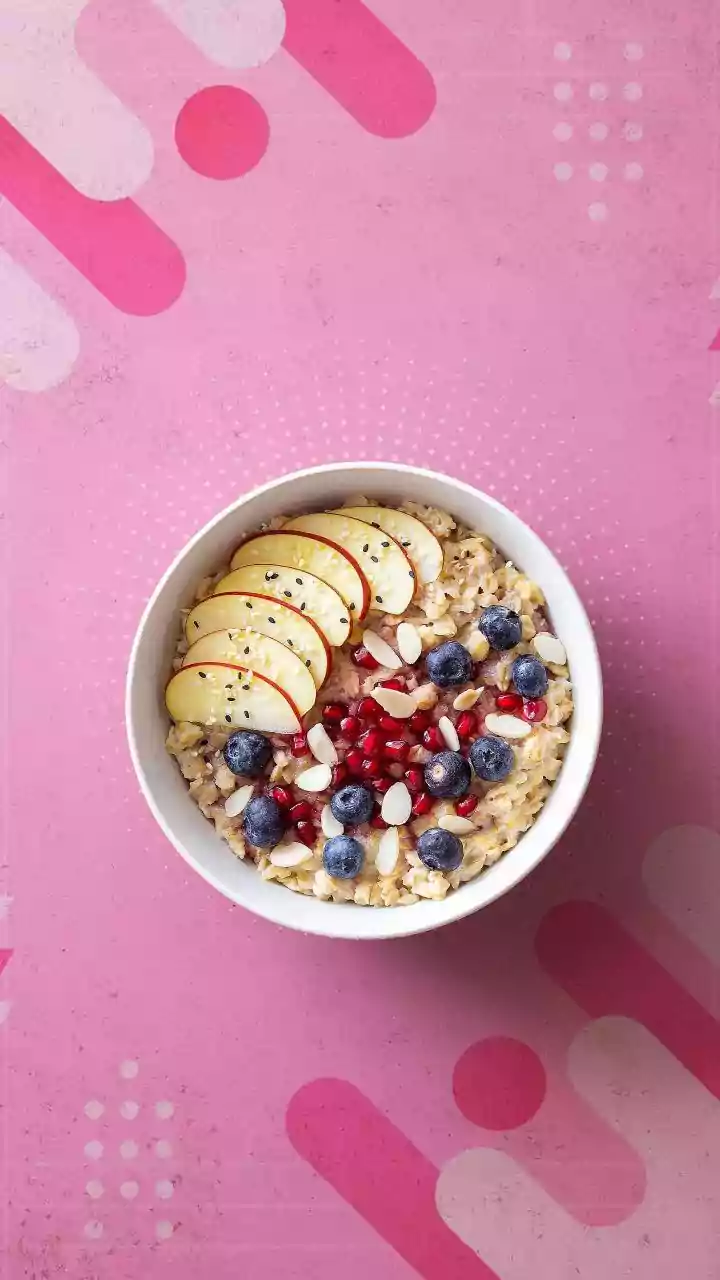
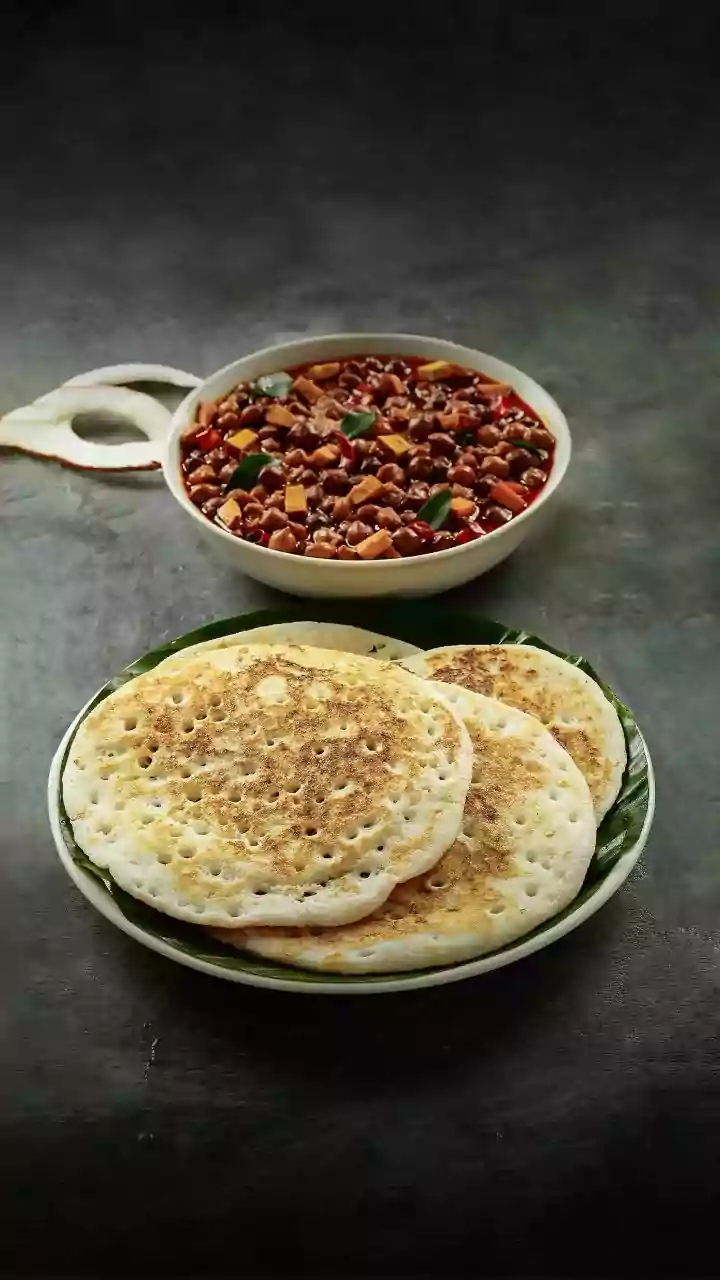
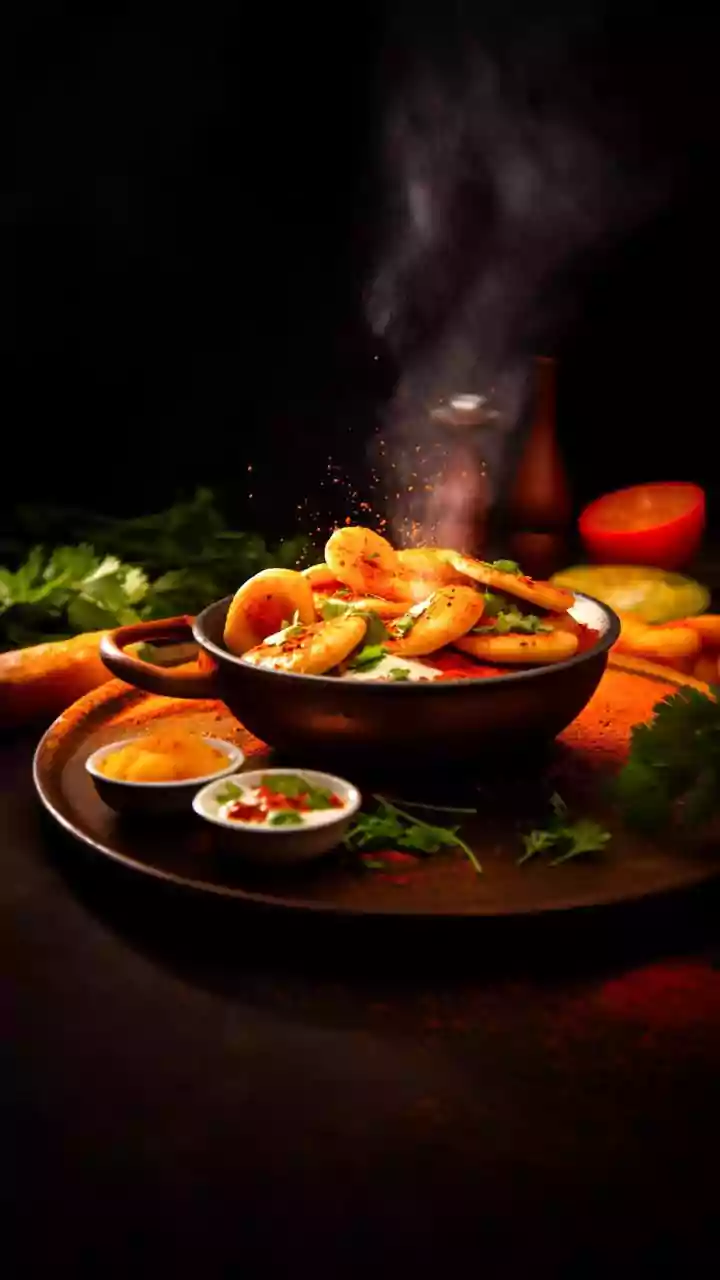
a twist—made from nutritious millets like ragi, jowar, and bajra—are reclaiming their spot. This isn't just about nostalgia; it's a conscious decision by a growing number of health-aware urban dwellers who are looking for sustenance over empty calories to kickstart their busy days. This movement signals a departure from the highly processed, sugar-laden options that dominated breakfast for over a decade.
The Nutritional Power of Ancient Grains
So, what’s driving this change? The primary reason is health. Millets are being rediscovered as superfoods packed with benefits. Unlike refined grains found in many packaged cereals, millets are nutritional powerhouses. They are gluten-free, rich in dietary fibre, protein, and essential minerals like iron and magnesium. Their low glycemic index helps in managing blood sugar levels, making them an excellent choice for diabetics and anyone looking for sustained energy release without the crash. For many, a breakfast of millet idli or dosa offers energy without the heaviness, keeping them full and focused for longer.
A Delicious Return to Our Roots
This breakfast trend is also deeply connected to a larger cultural renaissance. For generations, millets were a staple food across India before the Green Revolution prioritized wheat and rice, pushing these ancient grains to the sidelines where they were often dismissed as 'poor man's food'. The current revival, significantly boosted by initiatives like the UN's 'International Year of Millets' in 2023, is reframing this perception. Choosing millet-based breakfasts is becoming a way for urban Indians to reconnect with their culinary heritage, embracing foods that are not only good for their bodies but also for the environment, given that millets are hardy, drought-resistant crops.
Why the Cereal Box is Losing Its Allure
While the breakfast cereal market in India is still growing, the conversation around it has changed. Consumers are increasingly aware of the downsides of many ready-to-eat cereals: high sugar content, refined grains stripped of nutrients, and misleading health claims on packaging. The promise of a quick meal is being weighed against the long-term health implications. A traditional Indian breakfast, even a simple one, often provides a balanced mix of proteins, healthy fats, and complex carbohydrates, something a bowl of sugary flakes struggles to match. The feeling of satisfaction from a warm, freshly prepared meal is something many are finding a box cannot replicate.
Convenience Finally Meets Tradition
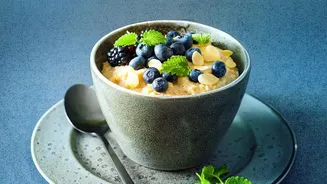
For this shift to be sustainable in fast-paced urban life, convenience is key. And the market has responded. Today, you don't need to soak and grind grains for hours to enjoy a healthy breakfast. Supermarket shelves are now stocked with high-quality, ready-to-cook millet idli and dosa batters, flours, and mixes. Food companies and restaurants are innovating, offering a variety of millet-based dishes that are both healthy and delicious, from upma and porridge to even noodles and pancakes. This has made it easier than ever for busy professionals and families to incorporate these nutritious grains into their daily routine without sacrificing time.