


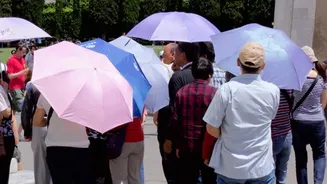

The Monsoon Travel Challenge
The Indian monsoon, while vital for the subcontinent, presents unique challenges for travellers. Roads can become impassable, trains get delayed, and flights are often rescheduled. In hilly regions, the risk of landslides is a serious concern, while cities
can face sudden waterlogging that brings traffic to a standstill. Recent events in states like Kerala and Assam, which saw heavy rainfall leading to floods and displacement, underscore the unpredictable nature of the season. While this uncertainty is part of the experience, being caught unprepared can turn an adventurous trip into a stressful ordeal. The key isn't to avoid monsoon travel, but to approach it with smart preparation and real-time information.
Your Official Weather Authority: The IMD
While many global weather apps are available, for travel within India, the India Meteorological Department (IMD) is the most reliable and authoritative source. As the country's national meteorological service, the IMD provides location-specific forecasts and, crucially, issues official warnings that are used by disaster management authorities. Its information is tailored to Indian conditions, considering the specific weather patterns that lead to events like intense cloudbursts and cyclones. Using IMD's official channels means you're getting the same information that local authorities are acting on, giving you a significant advantage in planning your movements and staying safe.
Decoding the IMD’s Colour Alerts
The IMD uses a simple colour-coded system to communicate the severity of expected weather, which is essential for any traveller to understand. Green (All is well): No adverse weather is expected. Your travel plans can proceed without any weather-related concerns. Yellow (Be Aware): This indicates the potential for bad weather. While not severe enough to halt activities, it's a signal to stay updated. You might face minor travel delays. Orange (Be Prepared): An Orange alert is a serious warning. It signifies that extremely bad weather is expected, which could disrupt travel, communications, and power supply. If an Orange alert is issued for your destination, you should be ready to change your plans. Red (Take Action): This is the highest level of warning, indicating a significant threat to life and property from severe weather. Travel should be avoided. Follow the advice of local authorities, which may include evacuating the area.
Your Monsoon Travel Tech Toolkit
To access these vital updates, the IMD offers several user-friendly mobile applications. These apps are your direct line to official forecasts and warnings. MAUSAM: This is the IMD's flagship app. It provides current temperature, humidity, and wind speed, along with forecasts for the coming days. Most importantly, it displays active warnings and provides radar imagery to show rainfall in real-time. UMANG: While not a dedicated weather app, the UMANG (Unified Mobile Application for New-age Governance) platform integrates IMD services. If you use UMANG for other government services, you can easily access weather forecasts and warnings without needing a separate app. Damini: This specialised app provides early warnings for lightning. Given that thunderstorms are common during the monsoon, Damini can provide crucial alerts for your specific location, advising you when it's unsafe to be outdoors.
From Information to Action
Having the information is only half the battle; you need to act on it. Before you travel, check the IMD's forecast for your entire route and destination. If a Yellow alert is in place, build extra buffer time into your itinerary. Pack waterproof bags for electronics and important documents. If an Orange alert is issued for a hilly area you plan to visit, it might be wise to delay that part of your trip, as the risk of landslides increases significantly. For a Red alert, the only correct action is to stay put in a safe location and postpone travel until the authorities declare it safe. Being flexible is the most important part of monsoon travel; these tools give you the foresight to make informed decisions rather than being forced into them by a sudden disruption.