





The Golden Rules: Temperature and Airflow
Before placing a single item, ensure your fridge is set to the correct temperature. For optimal food safety, the main compartment should be at or below 4°C (40°F). Bacteria that cause foodborne illnesses grow much slower at these temperatures. Use a fridge thermometer
to get an accurate reading, as built-in dials aren’t always precise. Also, avoid over-packing your shelves. Cold air needs to circulate freely to keep everything evenly cooled and safe. Never place hot leftovers directly into the fridge; let them cool to room temperature first to avoid raising the internal temperature and putting other foods at risk.
The Bottom Shelf: The Highest Risk Zone
The most critical rule of fridge organisation involves raw meat, poultry, and seafood. These items should always be stored on the bottom shelf. This is the coldest part of the fridge in many models, which is ideal for these highly perishable foods. More importantly, this placement prevents cross-contamination. Should any juices leak from the packaging—a common occurrence—they won’t drip onto and contaminate ready-to-eat foods stored below. Always keep raw meats in their original packaging or, even better, place them inside a sealed, leak-proof container or on a plate for an extra layer of protection.
Top and Middle Shelves: Ready-to-Eat and Dairy
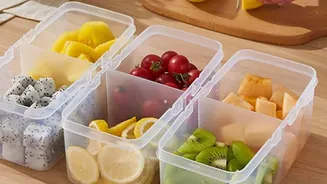
The upper shelves have the most consistent temperatures and are perfect for foods that don't need to be cooked. This is the designated zone for leftovers, deli meats, yoghurts, cheese, and other ready-to-eat items. Storing these foods on top keeps them safely away from any potential drips from raw items. Dairy products like milk and cheese also do well on the middle shelves where the temperature is stable. Using clear, labelled containers for leftovers not only keeps your fridge tidy but also ensures you can see what you have, making you more likely to eat it before it spoils.
Crisper Drawers: Managing Humidity for Produce
Those drawers at the bottom of your fridge are designed for a specific purpose: to control humidity and keep your produce fresh. Many crispers have adjustable settings. A high-humidity setting (vent closed) is ideal for vegetables that wilt, such as leafy greens, broccoli, and cucumbers, as it traps moisture. A low-humidity setting (vent open) is better for fruits that release ethylene gas and are prone to rotting, like apples, pears, and melons. Storing ethylene-producing fruits separately from ethylene-sensitive vegetables prevents the latter from ripening and spoiling too quickly.
The Fridge Door: The Warmest Zone
The refrigerator door is the warmest part of the appliance and is subject to the most temperature fluctuations every time it's opened. For this reason, you should avoid storing highly perishable items like milk and eggs here, even if the door has dedicated compartments for them. Instead, reserve the door shelves for items that have natural preservatives and can handle temperature swings. This includes condiments, jams, pickles, and bottled water or juices. Their high content of salt, vinegar, or sugar makes them more stable.
The Final Touch: First In, First Out
Once everything has its place, adopt the 'First In, First Out' (FIFO) principle. This simple inventory management method ensures that older food gets used before newer items. When you buy new groceries, move the older items to the front of the shelf and place the new ones at the back. This system drastically reduces food waste and ensures you’re always eating food at its best quality. Labelling leftovers and other items with the date they were stored can also be incredibly helpful.