





We've all heard the advice: eat your carrots for good eyesight and spinach to build strength. But beyond these childhood refrains lies a more colourful story. The vibrant orange of carrots and the deep green of spinach are signs of unique nutritional
pigments.
The Science of Colourful Eating
The brilliant hues in fruits and vegetables are more than just decoration; they are the work of natural compounds called pigments. Two of the most important groups of these pigments are carotenoids and chlorophyll. Carotenoids are responsible for the yellow, orange, and red colours you see in foods like carrots, sweet potatoes, and tomatoes. Chlorophyll is the pigment that gives plants their green colour and is essential for photosynthesis. While both exist in many plants, one often masks the other. In green leafy vegetables, the abundance of chlorophyll hides the yellow and orange carotenoids that are also present. These pigments do more than just create colour; they are phytonutrients that offer a wide array of health benefits.
Carrots: The Beta-Carotene Powerhouse
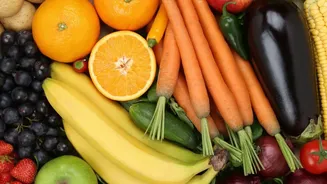
The signature orange of a carrot comes from a type of carotenoid called beta-carotene. The name itself is derived from the Latin word for carrot. When you eat a carrot, your body converts this powerful pigment into vitamin A (retinol), a nutrient that is absolutely vital for healthy vision. Vitamin A helps protect the surface of the eye and plays a critical role in how our brain interprets light. A diet rich in beta-carotene has been linked to a reduced risk of age-related macular degeneration and cataracts. Beyond vision, beta-carotene is a potent antioxidant, helping to protect your cells from damage caused by unstable molecules known as free radicals. This antioxidant activity supports immune function and may help reduce the risk of certain chronic diseases.
Spinach: More Than Just Green
Spinach's deep green colour is due to its high concentration of chlorophyll. While research into chlorophyll's direct benefits for humans is ongoing, some studies suggest it has antioxidant properties and may aid in detoxification. But the real nutritional secret of spinach is what lies beneath the green. Spinach is also packed with carotenoids, specifically lutein and zeaxanthin. These yellow pigments are usually invisible because of the overwhelming amount of chlorophyll. Unlike beta-carotene, your body cannot convert lutein and zeaxanthin into vitamin A. Instead, these two compounds travel directly to your eyes, where they accumulate in the retina, particularly in the macula.
The Hidden Golds in the Green
Lutein and zeaxanthin act like internal sunglasses, filtering harmful high energy blue light and protecting your eyes from damage. A diet high in these nutrients is strongly associated with a reduced risk of chronic eye diseases, including age related macular degeneration (AMD) and cataracts. Some studies suggest that consistent intake of foods rich in lutein and zeaxanthin, like spinach, can increase the density of the macular pigment, offering greater protection. Since the body cannot produce these crucial antioxidants on its own, it is essential to get them from food. Interestingly, cooking spinach can make its lutein more easily absorbed by the body.
A Nutritional Snapshot
While their pigments define their unique strengths, a broader look at their nutritional profiles reveals more differences. Carrots are significantly higher in Vitamin A, thanks to their beta carotene content. Spinach, on the other hand, is a much richer source of Vitamin K, which is crucial for blood clotting and bone health. The leafy green also provides substantially more iron, calcium, potassium, and folate than carrots. However, carrots are higher in fiber and sugar, giving them their characteristic sweet taste and crunchy texture. When cooked, a cup of spinach delivers a much larger dose of protein and iron than a cup of cooked carrots.