




The Foundation: Why Jute?
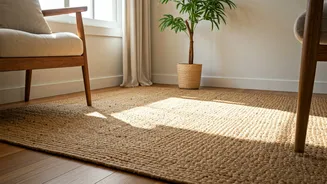
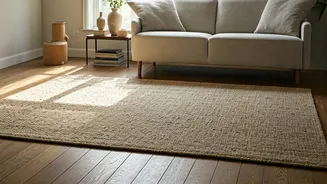
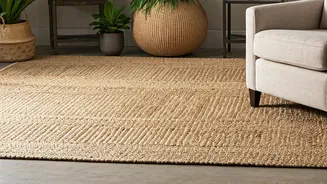
The hero of this trend is undoubtedly the jute mat. For years, this humble, natural fibre was relegated to doormats or purely functional spaces. Now, it’s the star of the show. Jute's appeal lies in its incredible texture and warmth. Made from the dried
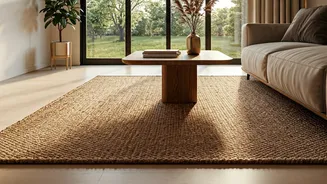
fibres of the jute plant, which grows abundantly in India and Bangladesh, these mats bring an earthy, organic element into any room. Unlike synthetic rugs, jute has a raw, authentic feel that grounds a space. It’s also surprisingly durable, making it perfect for high-traffic areas like the living room. Its neutral, golden-brown hue provides a versatile base that complements a wide range of colour palettes, from vibrant jewel tones to serene, monochrome schemes. This natural foundation is the perfect canvas for building a cozy, layered look.
Choosing Your Cozy Seating
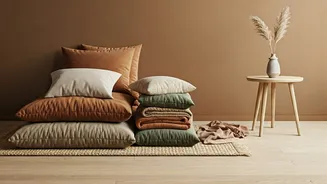
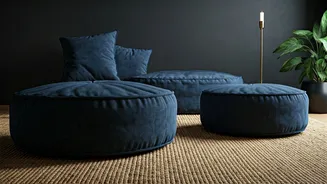
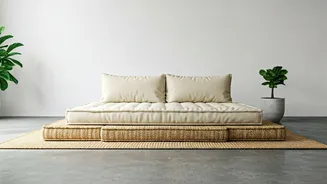
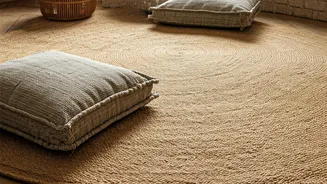
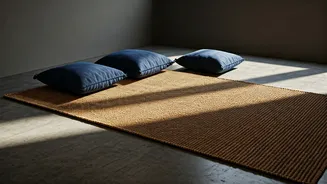
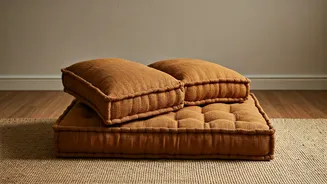
The 'cozy' in cozy seating is all about comfort, scale, and material. This trend favours furniture that invites you to lounge and relax. Think low-slung sofas with deep seats and plenty of cushions, plush armchairs you can sink into, or even a collection of large floor pillows for a more bohemian, informal vibe. Upholstery in soft, tactile fabrics like linen, boucle, cotton, or a soft velvet works beautifully against the rustic texture of the jute. Don't be afraid of oversized furniture; a large, comfortable sofa can feel even more grounded and inviting when placed on a large jute rug that frames the entire seating area. The key is to choose pieces that prioritise comfort over formality, creating a space that feels lived-in and welcoming from the moment you enter.
The Art of Layering
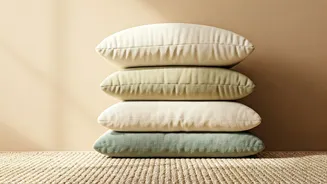
The magic of this look often comes from smart layering. While a jute mat is beautiful on its own, layering a smaller, softer rug on top of it adds depth, pattern, and an extra layer of comfort underfoot. This is a favourite trick of interior stylists. Consider placing a vintage Persian-style rug, a soft sheepskin, or a colourful dhurrie over the jute mat, positioned directly under the coffee table or in the main seating zone. This technique allows you to enjoy the texture and scale of the jute while introducing colour and pattern in a controlled way. Layering also extends to textiles on the seating itself. Piling on cushions and throws in various textures—think knitted wool, smooth cotton, and embroidered patterns—enhances the overall feeling of comfort and creates a visually rich environment.
Accessorising the Look
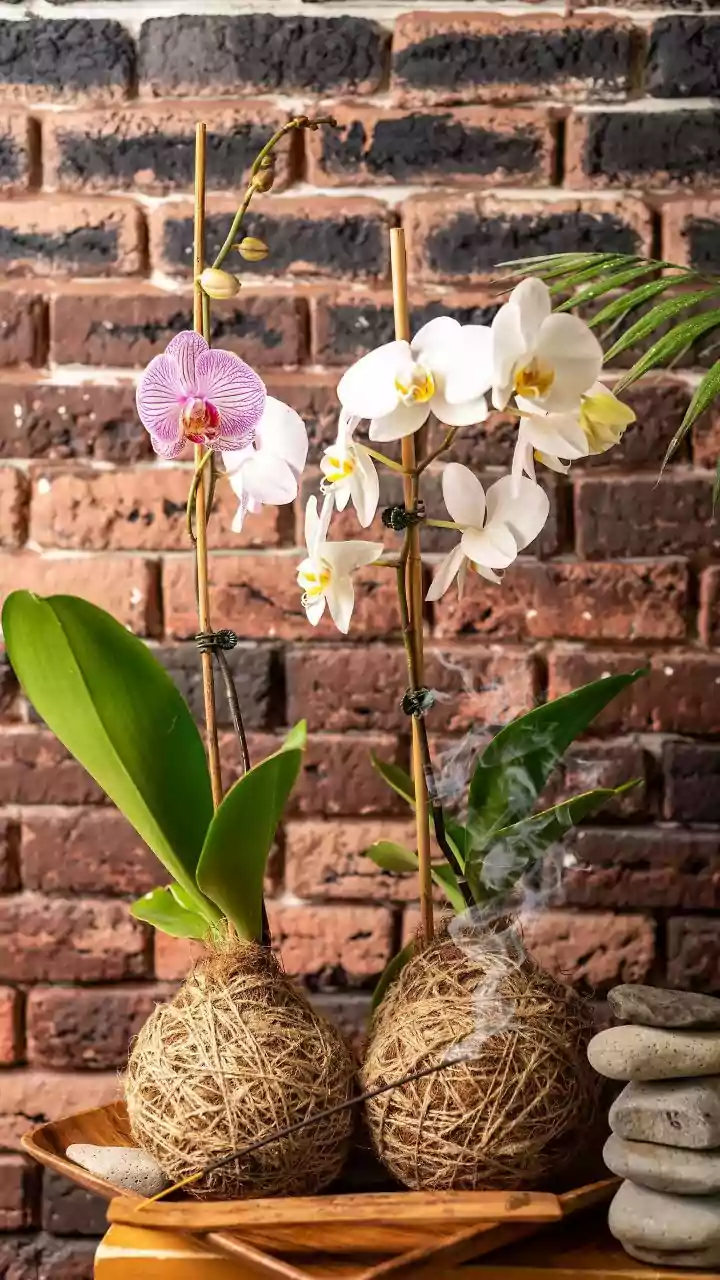
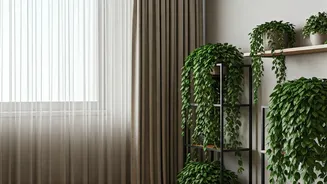
With the foundation of a jute mat and cozy seating in place, accessories are what bring the entire look to life. The neutral backdrop of the jute allows other elements to shine. Indoor plants are a must; their green leaves provide a beautiful, natural contrast to the golden tones of the mat. Look for large-leafed plants like a fiddle-leaf fig or a monstera to make a statement. Warm lighting is also crucial. A floor lamp with a soft, diffused glow placed next to an armchair creates an instant reading nook. On the coffee table, style a tray with books, a scented candle, and a small vase of fresh flowers. Woven baskets for storage, ceramic decor pieces, and wooden side tables all contribute to the natural, textured aesthetic that makes this trend so universally adored.
Beyond the Living Room
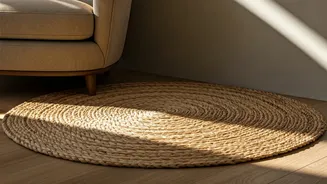
While this combination is a superstar in living rooms, its versatility extends to other areas of the home. A jute runner in a hallway can instantly add warmth and texture. In a bedroom, placing a large jute rug under the bed creates a soft, welcoming landing for your feet each morning. Pair it with a linen-upholstered headboard and soft cotton bedding for a serene retreat. A small, round jute mat can define a cozy reading corner, styled with a comfortable armchair and a small side table. Even covered balconies or verandas can benefit from this look, creating a seamless transition between indoor and outdoor living. The principles remain the same: start with the natural texture of jute and layer on comfort.