


The Anatomy of a Perfect Crunch
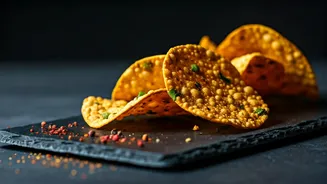
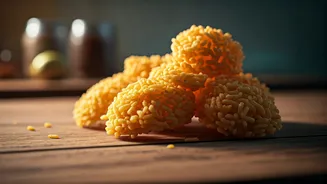
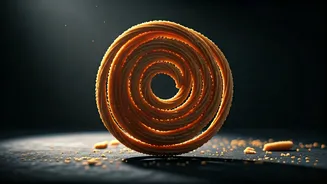
We’re talking about chakli. Or murukku, depending on where you grew up. It’s the beautiful, thorny spiral of fried dough that shatters between your teeth with a deeply satisfying crackle. For the uninitiated, chakli is a savoury snack made from a dough of rice
flour, lentil flours (like gram or urad dal), and spices. The dough is extruded through a press, creating its signature ridged, spiral shape, and then deep-fried to a perfect golden-brown. That initial crunch gives way to a melt-in-your-mouth texture that is simply addictive. It’s a feat of culinary engineering, where texture is just as important as taste. The ridges aren’t just for show; they create extra surface area for crisping, ensuring every single bite delivers that signature sound and feel.
A Symphony of Simple Ingredients
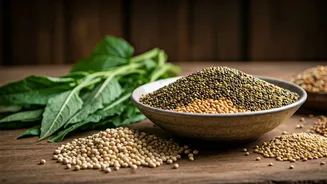
The genius of chakli lies in its deceptive simplicity. The base is almost always rice flour, which provides the essential crispness. But the soul of the snack comes from the supporting cast. The addition of urad dal (black gram) or besan (gram flour) lends a subtle, earthy depth and a richer texture. Then comes the flavour. Aromatic spices like cumin seeds, ajwain (carom seeds), and nutty sesame seeds are studded throughout the dough, releasing bursts of flavour with every bite. A hint of asafoetida provides a savoury, umami-like background note, while a touch of red chilli powder gives it a gentle, warming heat. Finally, a generous amount of butter or ghee is worked into the flour, which is the secret to its tender, short texture. It’s this precise balance of flour, fat, and spice that elevates chakli from just a fried snack to a masterpiece.
A Taste of Home and Celebration
For millions of Indians, the smell of chakli frying is inextricably linked with celebration and family. It’s the quintessential Diwali snack, prepared in large batches in the days leading up to the festival. The kitchen becomes a hub of activity, with mothers and grandmothers expertly pressing and frying, filling dabbas (steel containers) that will be shared with friends and neighbours. This tradition transforms chakli from mere food into a vehicle for nostalgia and love. It’s the taste of homecoming, the snack packed for long train journeys, the treat pulled out to enjoy with a hot cup of chai on a rainy afternoon. Each family has its own recipe, a secret ratio of flours or a special spice blend passed down through generations, making every batch unique and deeply personal.
The Modern-Day Renaissance
While its roots are traditional, chakli is currently enjoying a modern resurgence, which explains the ‘hype’. In an era dominated by packaged chips and extruded snacks, there's a growing appreciation for foods that are authentic and skilfully made. Home chefs and artisanal brands are giving chakli a gourmet makeover. You can now find variations made with ragi, oats, or quinoa flour, catering to a more health-conscious audience. Some are baked instead of fried. Others experiment with flavour profiles, adding everything from peri-peri seasoning to cheese. Social media is filled with images of beautifully imperfect, homemade chaklis, signalling a shift back towards slow, meaningful food. It's no longer just a festive treat but a year-round artisanal indulgence.