


A Medical Tool for Ancient Mysteries
When you think of a CT scan, you probably picture a hospital. But paleontologists are now using this same technology to travel back in time. High-resolution computed tomography (CT) scanning takes thousands of X-ray images and stacks them to create a detailed
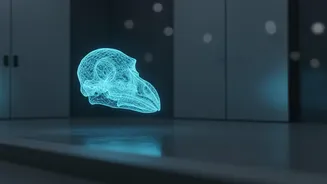
3D model. For scientists studying extinct animals, this is a revolutionary tool. It allows them to see inside a precious fossil, mapping out cavities and structures without ever having to cut into or damage the specimen. This non-destructive approach is crucial when dealing with irreplaceable artifacts, especially ones as rare as the remains of the dodo. By turning a physical skull into a digital asset, researchers can analyze it, share it, and even 3D print it, all while the original remains safely preserved.
Why the Dodo's Skull is So Precious
The dodo, a flightless bird endemic to the island of Mauritius, was driven to extinction by the late 17th century, less than 100 years after it was discovered by Europeans. Its demise was so rapid that very few complete specimens were ever collected. Today, only two complete dodo skulls are known to exist in the entire world, housed at the Natural History Museum of Denmark and the Oxford University Museum of Natural History. This extreme rarity makes them invaluable to science. For centuries, our understanding of the dodo was based on sailors' accounts and a few fragmented bones, leading to its popular image as a clumsy and foolish creature. The preciousness of these skulls meant that traditional, destructive methods of study were completely out of the question, leaving many secrets locked away until now.
Rebuilding a Brain That's 300 Years Gone
Although the dodo's brain tissue disappeared centuries ago, it left a detailed imprint on the inner surface of the skull as it developed. Using CT scans of the two complete skulls and other fragments, scientists have been able to create a digital reconstruction of the braincase, known as an endocast. This process is like digital detective work. By comparing these digital brain models to those of the dodo's closest living relatives—pigeons and doves—researchers can make educated inferences about the dodo's sensory capabilities. The analysis has revealed the size and shape of different brain regions, offering unprecedented clues into how the dodo perceived and interacted with its world.
Challenging the 'Dumb Dodo' Myth
The results of this digital reconstruction are shattering the dodo's long-standing reputation for being unintelligent. Researchers found no evidence that the dodo's cognitive abilities were any less developed than those of modern pigeons, which are known to be quite smart. The region of the brain associated with higher cognition was proportionally what one would expect. What was unexpected, however, were the dodo's sensory adaptations. The scans revealed an unusually large olfactory bulb, suggesting the dodo had a much better sense of smell than its pigeon relatives. Furthermore, the nerve endings in its beak were enhanced, indicating it may have used its large beak to feel and explore its environment. These findings paint a picture of a creature that didn't just rely on sight, but experienced a rich sensory world of smells and textures.
A Bird of the Twilight?
Another surprising discovery relates to the dodo's vision. While its eyes were relatively large, the part of the brain that processes visual information, the optic lobes, was surprisingly small. This combination is unusual for a daytime bird but is seen in animals that are active in low-light conditions, like at dawn and dusk. This suggests the dodo may not have been strictly active during the day, but could have foraged for food during the twilight hours. This potential lifestyle is a significant departure from its living relatives and helps explain how it survived on its isolated island home. Far from being a simple, failed creature, the dodo appears to have been a highly specialized animal with a unique combination of sensory traits developed over millions of years.