







What Exactly Are AI Teaching Assistants?
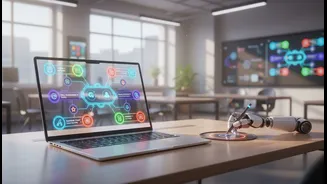
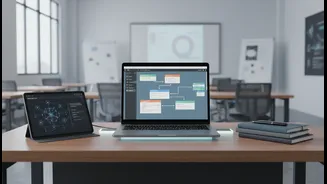
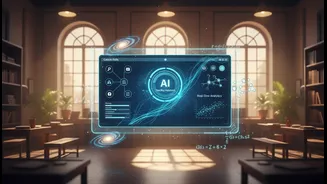
Forget clunky robots. In the context of coaching centres, an AI Teaching Assistant is a sophisticated software platform designed to support students and teachers. Think of it as a smart, virtual aide that’s available 24/7. These platforms use artificial
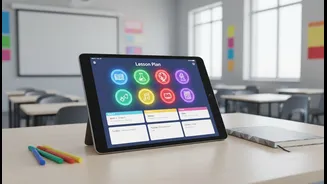
intelligence, machine learning, and natural language processing to automate and enhance key aspects of the learning process. They can create personalized study plans, generate practice tests, answer student queries instantly, and provide detailed performance analytics. Major edtech players in India are already integrating these systems, which are no longer futuristic concepts but active tools reshaping the educational landscape.
The End of Waiting: 24/7 Doubt Resolution
One of the biggest frustrations for any student preparing for exams like JEE, NEET, or UPSC is getting stuck on a problem late at night with no one to ask for help. Traditionally, students had to wait for the next class to clear their doubts. AI assistants have completely changed this dynamic. Students can now simply upload a photo of a question or type it into a chat interface and receive an instant, step-by-step solution, often with conceptual explanations and links to related material. This immediate feedback loop prevents small knowledge gaps from becoming major obstacles and significantly reduces student stress.
Personalised Learning Paths at Scale
Coaching classes have historically struggled to cater to the unique needs of every student in a large batch. AI solves this problem by enabling true personalization at a massive scale. By analyzing a student's performance on mock tests and practice questions, the AI can identify specific strengths and weaknesses. For example, if a student is strong in physics but struggles with organic chemistry, the platform will adapt, offering more practice problems and targeted learning materials for the weaker subject. This data-driven approach ensures that study time is spent efficiently, focusing effort where it's most needed for maximum improvement.
Freeing Human Teachers to Be Mentors
A common fear is that AI will replace teachers. The reality, however, is that AI is augmenting them. AI assistants handle the repetitive, time-consuming tasks that often bog teachers down, such as grading objective tests, tracking attendance, and answering common queries. This frees up valuable time for human educators to focus on higher-value activities: mentoring, providing emotional support, teaching complex problem-solving strategies, and delivering engaging lectures on difficult topics. By using AI-powered dashboards that provide real-time insights into student performance, teachers can walk into a classroom knowing exactly which topics the batch found difficult, allowing for more targeted and effective instruction.
The Road Ahead: Challenges and Considerations
Despite the immense potential, the integration of AI in education is not without challenges. One significant hurdle is the digital divide, as students in rural or less affluent areas may lack the reliable internet access and devices needed to benefit from these technologies. There are also valid concerns about data privacy and security, as these platforms collect vast amounts of student data. Furthermore, there is a risk of over-reliance on technology potentially hindering the development of critical thinking and problem-solving skills if not implemented correctly. Ensuring that AI tools are used ethically and equitably, alongside comprehensive teacher training, will be crucial for their successful and sustainable adoption.