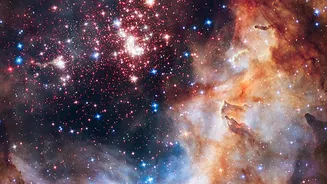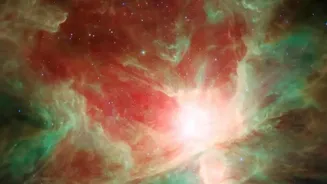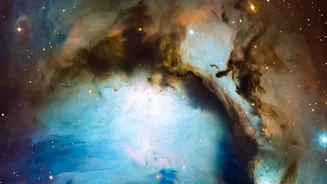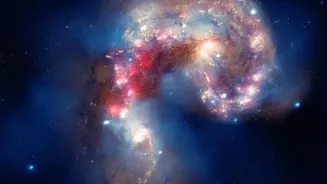

A Glimpse into the 'Cosmic Cliffs'
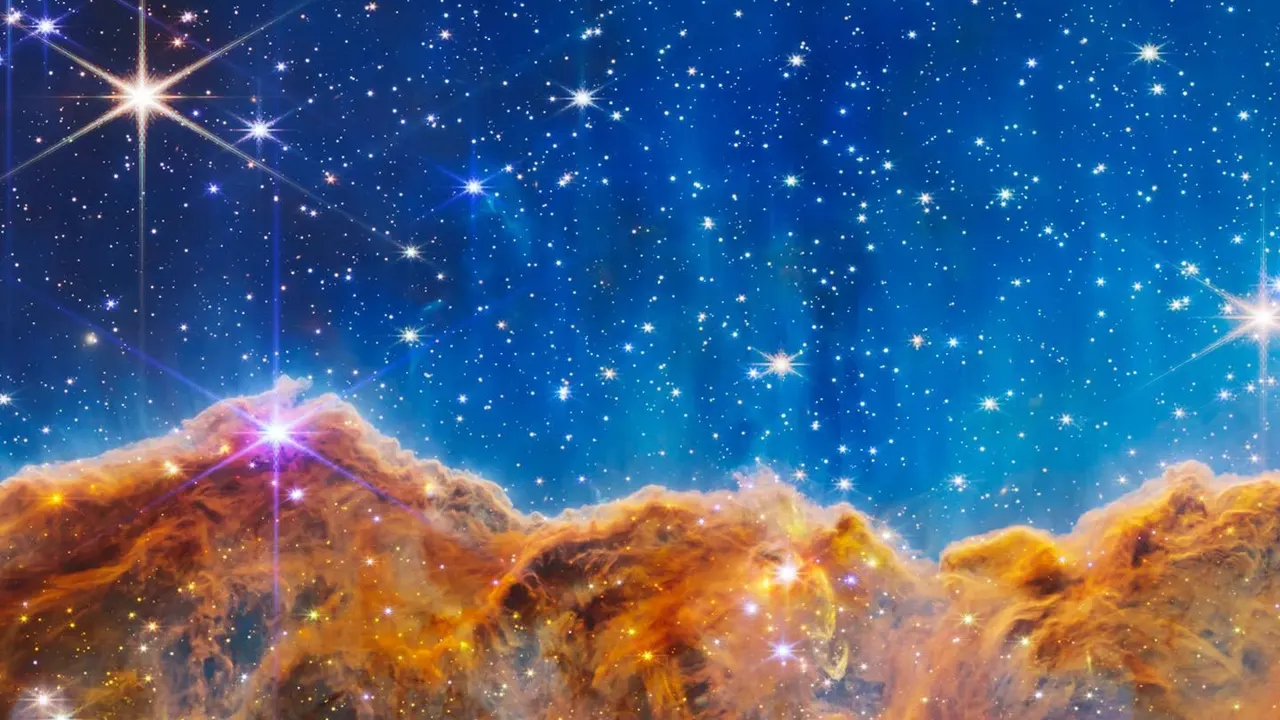
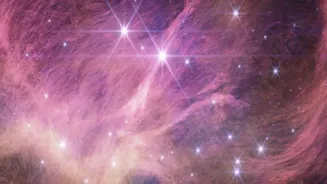
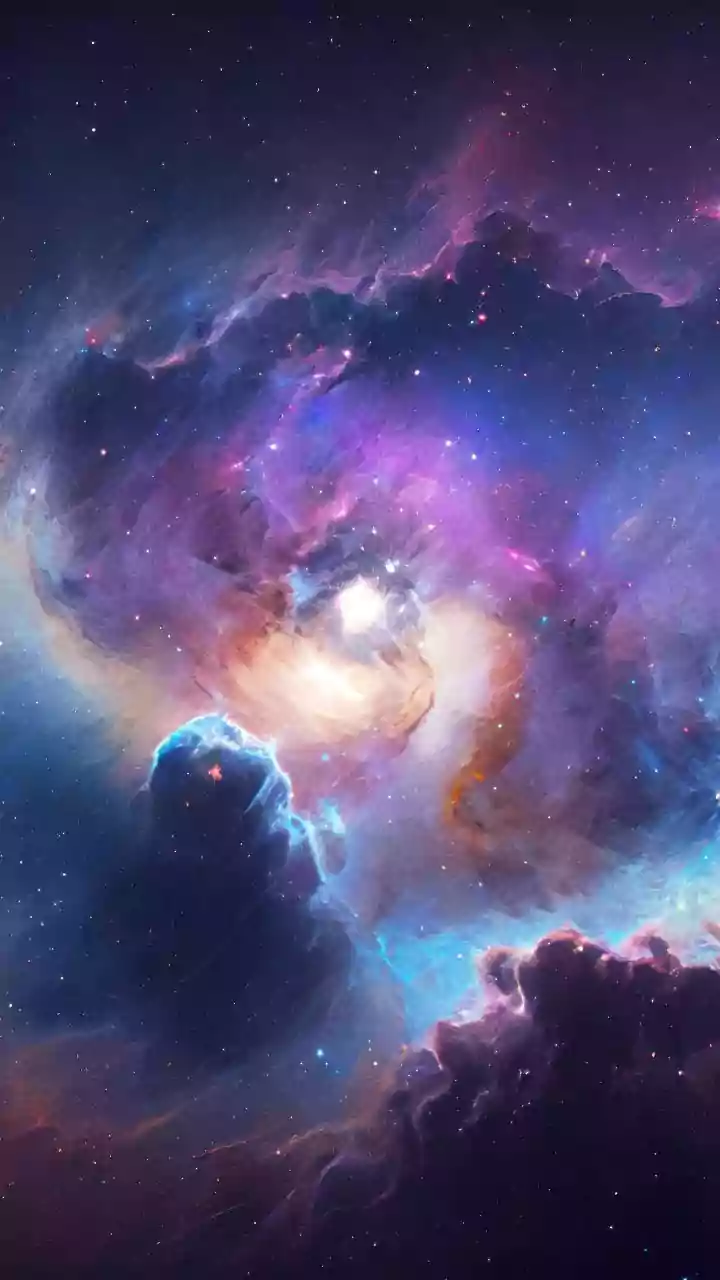
The latest images focus on a region nicknamed the 'Cosmic Cliffs,' located within the sprawling Carina Nebula, roughly 7,600 light-years from Earth. What appears to be a rugged mountain range bathed in starlight is actually the edge of a giant, gaseous
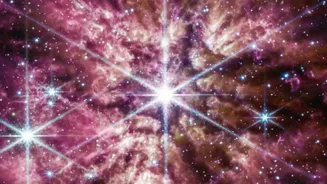
cavity carved out by intense radiation. The tallest 'peaks' in this celestial landscape are several light-years high. For the first time, we are seeing hundreds of stars that were previously hidden from view, emerging from their dusty cocoons. This view provides an unparalleled look at the chaotic and beautiful process of star formation, a period that is difficult to capture because it is relatively brief in cosmic terms. The images reveal not just the stars themselves, but the dramatic environment they sculpt, including pillars of gas that resist erosion from stellar winds and jets of material shooting from nascent stars.
Seeing the Invisible with Infrared
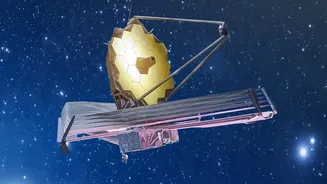
So, how is Webb able to see what other powerful instruments, like the Hubble Space Telescope, could not? The secret lies in its ability to detect infrared light. Star-forming regions are notoriously shrouded in thick clouds of gas and dust, which act like a cosmic fog, blocking visible light. Webb's giant mirror and specialized instruments, like the Near-Infrared Camera (NIRCam), are designed to capture the longer wavelengths of infrared light that can pass through this dust. This allows astronomers to peer directly into the stellar nurseries and observe the earliest, most elusive stages of star birth. The raw data sent back to Earth is black and white, with scientists assigning colours to different infrared wavelengths to highlight specific features, turning invisible light into the vibrant, detailed images that capture the public's imagination.
The Violent, Beautiful Ballet of Star Birth
The new images don't just show static beauty; they reveal a dynamic and often violent process. The 'steam' that appears to rise from the cliffs is actually hot, ionized gas and dust being stripped away by the relentless ultraviolet radiation from massive young stars just out of frame. These powerful stars create huge bubbles and cavities in the nebula. At the same time, deep within the dust clouds, gravity is pulling material together into dense clumps. These clumps heat up and become protostars, the embryonic stage of a star. As these baby stars grow, they eject powerful jets of material from their poles, which slam into the surrounding gas and create glowing shockwaves that are clearly visible in Webb's images. Studying this interplay of radiation, gravity, and outflow helps scientists build a more complete model of how star clusters form and evolve.
From Cosmic Dust to New Worlds
Observing these stellar nurseries does more than just show us how stars are born; it provides a window into our own origins. The processes happening in regions like the Carina Nebula and others are similar to how our own Sun and solar system likely formed 4.6 billion years ago. By studying these younger systems, scientists can gather clues about the initial conditions that lead to the formation of planets. Recent Webb observations in other stellar nurseries have already identified Jupiter-sized worlds forming alongside stars, some even with dusty disks that could one day form moons. Each new image from Webb allows scientists to more accurately count the number of new stars, measure the amount of gas and dust, and understand the chemical composition of the material that will eventually build new planets, bringing us one step closer to understanding our place in the universe.