


Day 1: The Colonial Heart of Mumbai
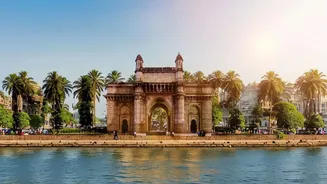
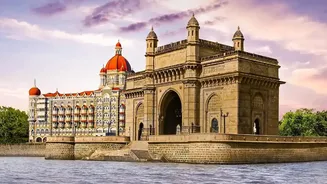
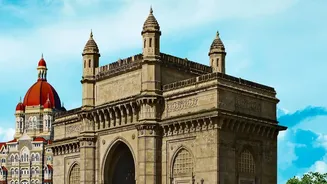
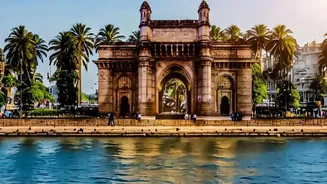
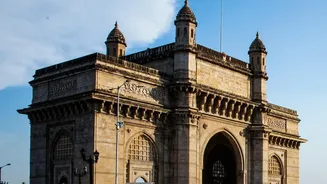
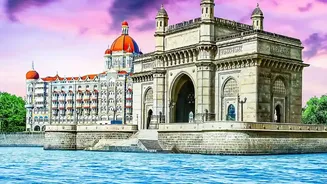
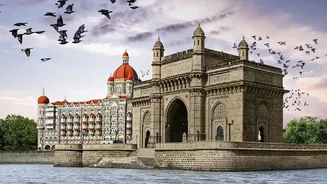
Begin your adventure in the Maximum City. Start your morning at the iconic Gateway of India, a magnificent arch overlooking the Arabian Sea. It costs nothing to soak in the atmosphere here, watching boats bob in the harbour. From there, take a short walk
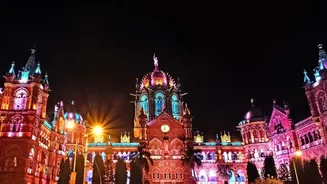
to the Chhatrapati Shivaji Maharaj Vastu Sangrahalaya. This premier museum requires an entry ticket but is well worth it for its stunning Indo-Saracenic architecture and vast collection of art and artefacts. In the evening, ditch the structured tours for a free-form heritage walk through the Fort and Colaba districts. Wander past Victorian Gothic buildings, browse the quirky shops along Colaba Causeway, and feel the city’s colonial history come alive in its architecture and street names.
Day 2: Ancient Caves and an Evening Skyline
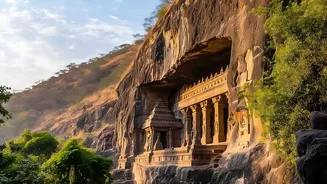
Today is about contrasts. Take the morning ferry from the Gateway of India to Elephanta Island. You’ll need to pay for the ferry ride and a separate entrance fee for the UNESCO World Heritage site of the Elephanta Caves. These rock-cut Hindu and Buddhist caves, dating back centuries, are a serene and powerful escape from the city's bustle. The intricate sculptures, especially the massive Trimurti statue, are awe-inspiring. After returning to the mainland in the afternoon, spend your evening enjoying one of Mumbai’s most beloved free experiences. Stroll along the length of Marine Drive, famously known as the Queen's Necklace. Find a spot to sit on the tetrapods, watch the sunset, and then head to Chowpatty Beach to see the city unwind amidst a flurry of local snack vendors.
Day 3: Pune and the Legacy of the Peshwas
Take a morning train or bus to Pune, the cultural capital of Maharashtra. After settling in, your first stop is Shaniwar Wada, the historic seat of the Peshwa rulers. While the palace itself was largely destroyed in a fire, its grand outer walls, gates, and foundations still stand, whispering tales of a glorious past. There is a nominal entry fee to explore the grounds. As dusk settles, immerse yourself in the real heart of old Pune by taking a walk through its traditional market areas, known as 'peths'. Start at Laxmi Road, the city’s main shopping artery, and dive into the narrow, bustling lanes of Tulshibaug or the coppersmith alleys of Tambat Ali. This walk costs nothing but offers a priceless sensory experience of Pune's living history and commerce.
Day 4: Hilltop Forts and Urban Serenity
A short drive from Pune lies Sinhagad Fort, a majestic bastion perched atop a cliff. Reaching the top requires some effort, and there is a vehicle entry fee, but the panoramic views of the surrounding landscape are your reward. It’s a popular spot for morning treks and a great place to sample traditional Maharashtrian snacks like 'pithla bhakri' from local vendors at the summit. In the afternoon, return to the city and visit the Shreemant Dagdusheth Halwai Ganpati Temple. This famous temple, with its opulent idol of Lord Ganesha, is free to enter and offers a moment of spiritual peace amidst the urban chaos. For your evening walk, explore the leafy, cosmopolitan lanes of Koregaon Park, known for its trendy cafes, boutiques, and serene Osho Garden.
Day 5: A Lesson in History and a Fond Farewell
Dedicate your final morning to a place of national importance: the Aga Khan Palace. This landmark, which requires an entrance ticket, is more than just a beautiful building; it served as a prison for Mahatma Gandhi and other freedom fighters during the Quit India Movement. The quiet, well-maintained grounds and the museum inside offer a poignant look into a crucial chapter of India’s history. It’s a reflective and meaningful way to conclude your tour of the region's heritage. This final paid attraction provides a quiet counterpoint to the free-wheeling walks and bustling markets you've experienced. From here, you can depart from Pune, carrying with you a balanced and multifaceted memory of Maharashtra's rich cultural tapestry.