





A Pavlovian Response to Rain
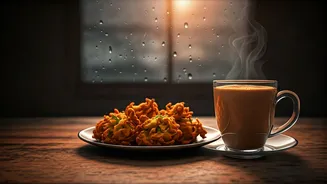
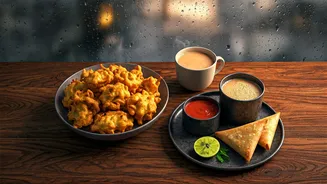
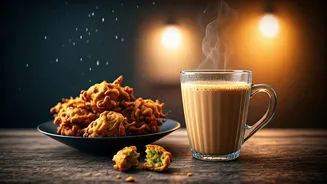
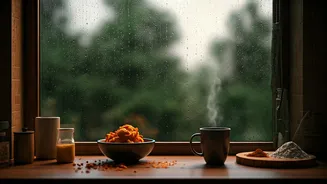
For millions in India, the connection between the monsoon and food is a deeply ingrained cultural reflex. The drop in temperature and the rhythmic sound of rain trigger a powerful desire for specific tastes and textures. It almost always begins with the classic
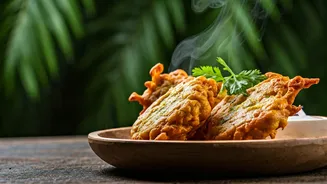
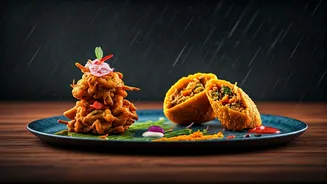
duo: a steaming cup of masala chai and a plate of hot, crispy pakoras. These fried fritters, made from everything from onions and potatoes to spinach and paneer, are the unofficial snack of the season. This craving is partly scientific; the cool, humid air enhances our sense of smell, making the aroma of fried food and warm spices even more irresistible. But the true reason for this seasonal appetite runs much deeper than biology.
You're Not Ordering Food, You're Ordering a Feeling
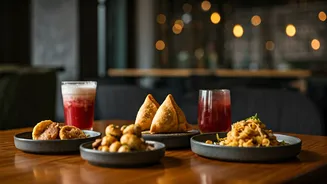
The headline says it all: foodies are ordering memories. The appeal of monsoon snacks isn't just about the taste; it's about nostalgia. These are the foods associated with childhood, family, and the comforting feeling of being safe indoors while the world outside is washed clean by the rain. A plate of samosas or bhutta (roasted corn on the cob) can transport you back to evenings spent with grandparents, or huddled with friends under a shared umbrella at a roadside stall. Each bite is infused with the memory of simpler times, shared laughter, and the warmth of home. This emotional connection is so strong that comfort foods have been shown to trigger the release of dopamine, the brain's pleasure chemical.
The Monsoon Street Food Symphony
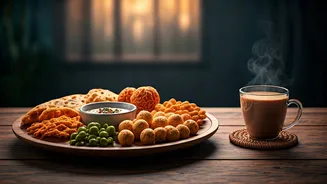
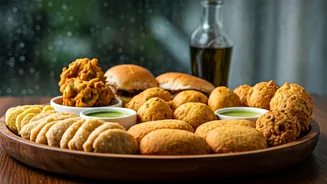
While pakoras and samosas are national treasures, India’s culinary diversity shines brightest during the monsoon. In Mumbai, the Vada Pav becomes an essential indulgence, its spicy potato fritter a perfect match for the damp weather. Down south, a bowl of hot, peppery rasam provides a different kind of comfort, while coastal areas have their own seafood specialties. In the north, a sweet and crispy jalebi offers a delightful contrast to the savoury snacks. Another quintessential monsoon sight and smell is that of bhutta, roasted over hot coals on a street corner and seasoned with chili, salt, and lime juice. These foods are more than just snacks; they are part of a shared cultural experience that unfolds on the streets of every city and town.
From the Street Corner to Your Doorstep
In the digital age, satisfying these seasonal cravings has never been easier. Food delivery platforms see a surge in orders for these very items as soon as the monsoon sets in. While heavy rains can sometimes disrupt deliveries, the demand remains sky-high. This modern convenience adds a new layer to the tradition. You no longer need to brave the downpour to get your fix. With a few taps on a screen, that plate of pakoras or bowl of Maggi that you associate with rainy days can appear at your door. This isn't just about convenience; it's about having access to a specific feeling, a dose of nostalgia, on demand. The online menu becomes a menu of memories, and restaurants and cloud kitchens are happy to oblige, with many offering special monsoon menus.
A Culinary Inheritance
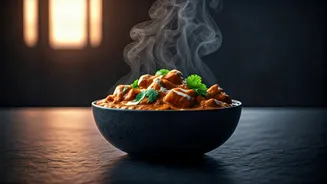
Ultimately, the tradition of monsoon comfort food is a culinary inheritance passed down through generations. The foods we crave are often the same ones our parents and grandparents enjoyed, cooked with spices like ginger, turmeric, and black pepper that are traditionally valued for their warming properties during the damp season. It is a tradition rooted in the climate, the land, and the simple, profound joy of eating food that feels like a hug in a bowl. This ritual connects people not only to their own past but to a wider cultural identity, a shared understanding that the arrival of rain is a time for celebration, reflection, and, most importantly, a good meal.