






From Catalogues to Conversations
Not long ago, online fashion shopping was a solitary activity. You browsed digital catalogues—static pages of products on models—selected your size, and checked out. Today, that model is being completely redesigned. Platforms like Instagram, TikTok, and Pinterest
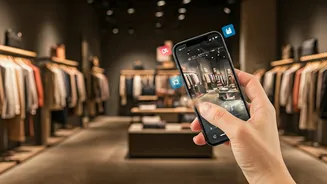
have evolved from places of discovery into bustling digital malls. [6] Instead of searching for a specific item, consumers now discover products woven into the content they already love. [2] This shift from transactional e-commerce to discovery-led social commerce marks a fundamental change in how we shop, making it more interactive and community-focused than ever. [1, 10]
The Rise of 'Shoppertainment'
A key driver of this change is "shoppertainment," particularly live shopping events. [1] Think of it as a modern, interactive version of old-school TV shopping channels. [8] During a live stream, a host—often an influencer or a brand representative—showcases products in real-time. [22] Viewers can ask questions, see the fit and fabric up close, and interact with a community of fellow shoppers. [24] This format creates a sense of urgency and excitement through limited-time offers and real-time feedback, encouraging impulse buys. [4, 29] It's a powerful blend of entertainment and commerce that transforms passive viewing into active participation, with the global market projected to grow significantly by 2030. [1]
Creators: The New Storefronts
At the heart of social commerce are content creators. They are no longer just digital billboards for brands but have become trusted curators and friends. [3, 14] When an influencer shares a 'get ready with me' video or a haul of their latest finds, they are providing social proof—a powerful psychological trigger. [4, 5] Seeing real, relatable people use and style products builds a level of trust that traditional advertising struggles to achieve. [12, 18] In fact, studies show that a majority of consumers trust user-generated content (UGC) more than brand advertisements, and that UGC can significantly boost engagement and conversion rates. [19, 21, 20] As a result, brands are shifting from one-off sponsorships to deep, long-term collaborations, sometimes even co-creating entire product lines with creators who have built authentic communities. [23, 28]
The Psychology of a Social Purchase
So why is this so effective? The answer lies in human psychology. Social commerce taps into our innate desire for connection and our tendency to trust peer recommendations. [5, 13] When you see friends or trusted creators rave about a product, it triggers a powerful 'fear of missing out' (FOMO) and provides assurance that you're making a good choice. [13] Platforms have made capitalizing on this seamless, with integrated features like shoppable tags, in-app checkouts, and dedicated 'Shop' tabs. [2, 10] These tools reduce the friction between seeing a product in a post and buying it, turning a moment of inspiration directly into a sale. [3] This creates a powerful feedback loop: a purchase feels less like a cold transaction and more like joining a community with shared tastes and values. [4]