



What is the NIN AI Nutrition Bot?
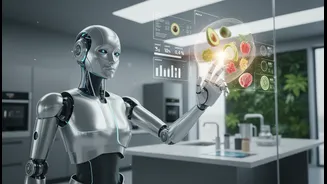
To combat a flood of online misinformation, the National Institute of Nutrition (NIN), part of the Indian Council of Medical Research, is developing an AI-powered chatbot. The goal is to provide the public with scientifically-backed answers to nutrition
questions, particularly concerning packaged foods. Think of it as a direct line to a database of expert-verified nutritional knowledge, accessible from your phone. This tool aims to democratize health information by offering instant guidance on food ingredients and nutritional profiles. While full details on the launch are pending, the initiative represents a major step by a government body to leverage technology for public health.
The Promise of Personalized Guidance
The main appeal of an AI nutrition bot is convenience. For many, consulting a nutritionist is a hurdle; an AI tool offers instant feedback 24/7. It can help you understand the nutritional value of foods and provide general advice. For someone starting their health journey, this can be a useful resource to build foundational knowledge, debunk common myths, and encourage mindful eating. A key promise is that a bot from NIN will deliver information relevant to Indian dietary contexts, a common limitation of international health apps. It's designed to be a reliable first point of contact for nutritional queries.
First Check: Your Unique Health Context
Before you act on any advice from an AI bot, the first and most crucial check is your own personal health status. AI recommendations are based on algorithms that process data for a "standard" user, but no one is truly standard. Do you have a pre-existing medical condition like diabetes, hypertension, a kidney disorder, or food allergies? Are you pregnant or breastfeeding? These are complex situations that require nuanced, individualized advice from a qualified human expert. An AI bot cannot read your full medical history, understand the subtleties of your symptoms, or adjust recommendations based on how you feel. Its advice is a starting point, not a prescription.
Second Check: The Limits of AI Knowledge
While NIN's bot will use solid data, it’s vital to understand the inherent limitations of Artificial Intelligence. Its knowledge is only as good as the data it was trained on and it can make mistakes or 'hallucinate' information. It cannot exercise the critical judgment of a human doctor or dietician. It won't know if a generally healthy food interacts with medication you are taking. Studies have shown that AI-generated meal plans can be unbalanced, sometimes dangerously underestimating calorie needs or providing the wrong mix of carbs, proteins, and fats. Use the bot for information, not diagnosis. Asking "What are good sources of iron?" is appropriate; asking "Why am I so tired?" requires a medical professional.
Third Check: Your Data and Privacy
Any digital health tool may require you to share personal information. Before you start, it's wise to understand how your data will be handled. Look for a clear privacy policy. Where is your data stored? Is it anonymized? Will it be shared with third parties? Unlike information shared with your doctor, data given to most commercial chatbots is not protected by the same stringent medical privacy laws like HIPAA in the US. While a government-backed initiative like NIN's will likely have strong data protection, it's always wise to be an informed user. Your health data is sensitive, so ensure you are comfortable with the terms before sharing it.
Fourth Check: A Supplement, Not a Substitute
The most important mindset to adopt when using an AI nutrition bot is to view it as a supplement, not a substitute for professional care. This tool is designed to support, not replace, healthcare providers. Use it to learn more about nutrition, to get quick answers to general questions, and to stay motivated on your health journey. However, for creating a comprehensive diet plan, managing a health condition, or addressing any medical concerns, the gold standard remains a consultation with a registered dietitian or a doctor. Think of the AI bot as your helpful research assistant, while your doctor remains the project manager of your health.