





The Heavy Jacket Humidity Trap
When the air is thick with moisture, reaching for a single heavy sweatshirt or a dense jacket seems logical. But it’s often the worst choice. That one bulky layer traps not only heat but also sweat against your skin. Humidity prevents this sweat from
evaporating, leaving you feeling clammy, sticky, and uncomfortable. A heavy jacket doesn't allow your skin to breathe, creating a personal sauna effect that becomes intensely unpleasant the moment you step indoors or your activity level changes. This is especially true for fabrics like traditional cotton, which absorb moisture and become heavy and slow to dry, amplifying the chill instead of preventing it.
The Science of Smart Layering
The purpose of layering isn't just about piling on clothes; it's about creating an adaptable microclimate around your body. Each thin layer traps a pocket of air, providing insulation that is far more efficient than a single bulky garment. More importantly, this system gives you control. As your body temperature or the ambient weather changes, you can add or remove a layer to stay comfortable. This prevents you from overheating and sweating excessively, which is the primary cause of discomfort in humid conditions. The goal of a good layering system is moisture management—keeping you dry is the key to staying warm and comfortable.
Fabric Is Your First Line of Defence
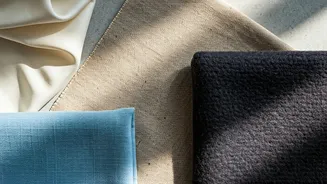
The success of layering depends entirely on your fabric choices. You need materials that are both breathable and moisture-wicking. 'Breathable' means the fabric allows air and heat vapour to escape, while 'moisture-wicking' means it actively pulls liquid sweat away from your skin to the fabric's outer surface to evaporate. For humid Indian weather, fabrics like lightweight cotton, linen, rayon, Tencel, and bamboo are excellent choices. While pure cotton is breathable, it can hold moisture, so it’s often best as a loose outer layer rather than against the skin. Synthetic blends, merino wool, and fabrics like Tencel are fantastic as base layers because they excel at managing sweat.
Building Your Layering System
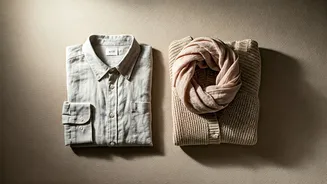
A functional layering system consists of three parts. First is the base layer, which sits against your skin. Its job is to wick sweat away, so choose a lightweight, quick-drying material like a synthetic blend or merino wool. Next comes the mid-layer, which provides insulation. This should still be breathable; think a light fleece, a thin wool cardigan, or an open-weave cotton shirt. Finally, the outer layer or shell is for protection against wind or a light drizzle. This should be a lightweight, unlined jacket or windbreaker that blocks the elements without trapping moisture inside. Loose, relaxed silhouettes are generally better as they promote airflow and don't cling.
Putting It All Together
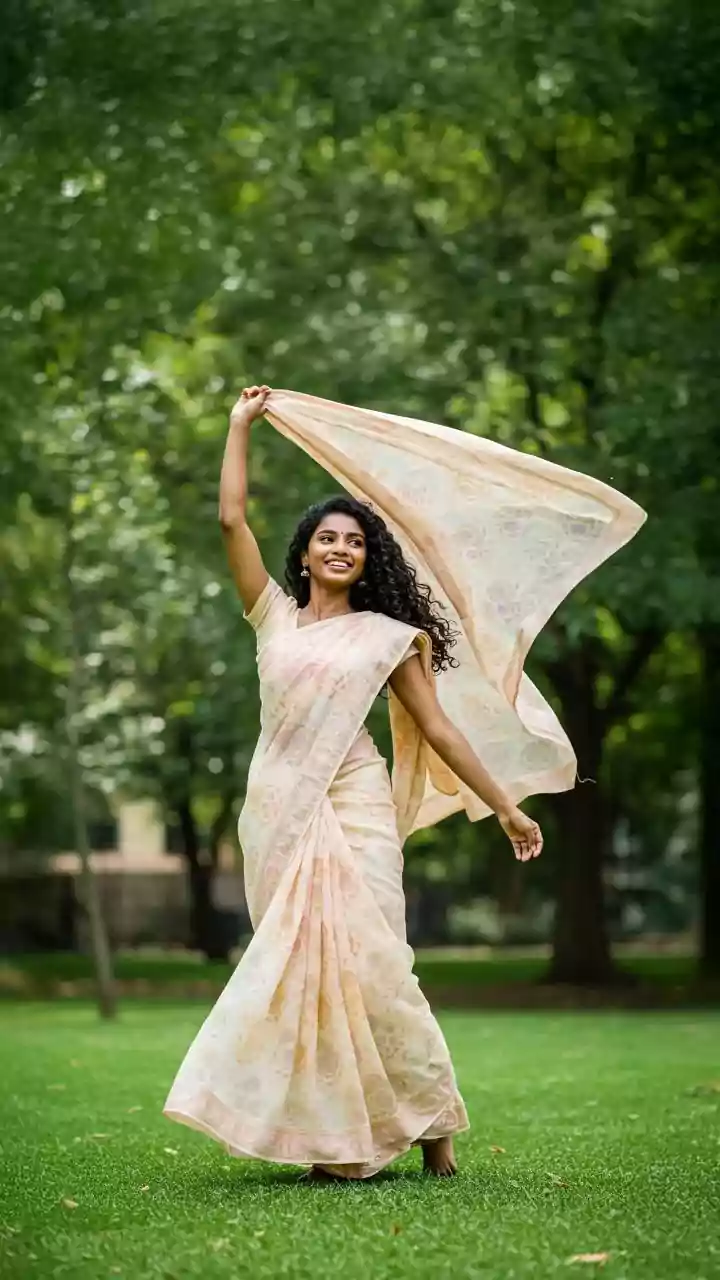
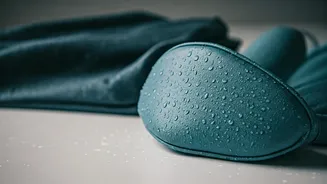
For a typical humid day in India, this might look like a moisture-wicking sleeveless top as a base. Over that, you could wear an open, lightweight handloom cotton or linen shirt. If you need more protection, a light, waterproof shrug or kimono-style jacket can be added or easily stowed in a bag. This approach allows you to constantly adjust to your environment, whether you're moving from the humid outdoors to a cold, air-conditioned office or getting caught in an unexpected monsoon shower. The key is versatility and ensuring every piece you wear is working to keep you dry and comfortable, not just warm.