





1. Master the Art of Packing
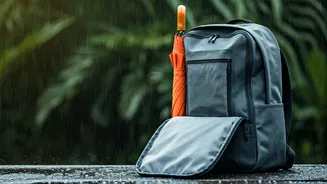
Monsoon packing isn’t about bringing more; it’s about bringing smarter. Ditch heavy cottons and denims that take forever to dry. Instead, opt for lightweight, synthetic fabrics like polyester or nylon that dry quickly. A waterproof, breathable rain jacket
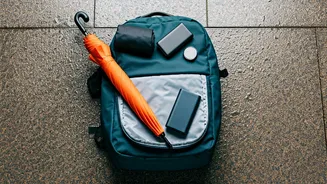
is non-negotiable, but also consider a small, foldable umbrella for city strolls. For footwear, forget leather. Pack a pair of sturdy, rubber-soled sandals or floaters with good grip. They’re perfect for wading through puddles and are easy to clean. Finally, a waterproof backpack or a rain cover for your existing bag is essential to protect your belongings from sudden downpours.
2. Protect Your Gadgets Like a Pro
Water and electronics are a terrible mix, but you'll want to capture those misty landscapes. The simplest solution is the humble zip-lock bag. They’re cheap, effective, and you can still use your phone’s touchscreen through the plastic. For more serious protection, invest in a dedicated waterproof phone pouch or a ‘dry bag’ for larger items like cameras and tablets. These are essential for treks or boat rides. Also, always carry a portable power bank. Power cuts can be more frequent during heavy rains, and you don’t want to be left with a dead phone when you need it most.
3. Choose Your Destination Wisely
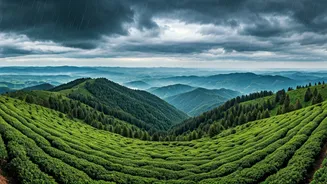
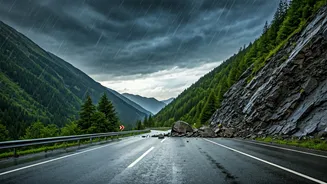
Not all destinations are created equal in the monsoon. While some places become magical, others become inaccessible or risky. The Western Ghats, including destinations like Lonavala, Mahabaleshwar, and Munnar, are breathtakingly green and full of cascading waterfalls. The hills of Rajasthan, like Udaipur and Mount Abu, offer a refreshing, crowd-free experience. However, be cautious about travelling to regions prone to landslides, such as certain parts of Himachal Pradesh and Uttarakhand. Always check local weather forecasts and road conditions before you leave and while on the road. Coastal areas can be beautiful but be wary of rough seas and heed any warnings against swimming.
4. Plan for a Slower Pace
The monsoon is nature’s way of telling us to slow down. Trying to stick to a packed, minute-by-minute itinerary is a recipe for stress. Roads can be blocked, transport delayed, and downpours can confine you indoors for hours. Embrace it. Build buffer days into your travel plan. Instead of trying to see five things in one day, pick two and enjoy them fully. This relaxed approach allows for spontaneous changes and lets you appreciate the cosy charm of being stuck indoors with a hot cup of chai and a good book while the rain pours outside.
5. Prioritise Health and Hygiene
The monsoon brings an increased risk of water-borne diseases and insect bites. Be vigilant about what you eat and drink. Stick to bottled water and avoid street food that might have been exposed to contaminated water, especially uncooked items like chutneys and salads. Carry a basic first-aid kit with essentials like antiseptic lotion, bandages, insect repellent, and medication for stomach upsets. Mosquitoes are rampant, so a strong repellent is your best friend, particularly in the evenings. Wearing long-sleeved tops and trousers can also help minimise bites.
6. Rethink Your Road Trip Strategy
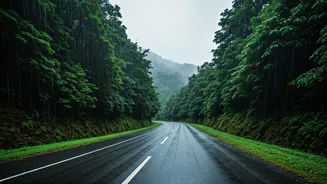
Driving in the rain requires extra caution. If you’re taking your own car, ensure your tyres have good tread, your wipers are working perfectly, and your brakes are in top condition. Drive slowly and maintain a safe distance from the vehicle ahead, as braking distances increase on wet roads. Be extremely wary of potholes hidden by puddles. If possible, avoid driving at night. For long-distance travel, trains are often a safer and more reliable option than buses during heavy monsoon, as they are less susceptible to road closures and offer a scenic, comfortable journey through the rain-swept countryside.