

The Lark vs. The Owl: What’s Your Chronotype?
Before you roll out your mat, it helps to understand your internal body clock, or chronotype. This natural inclination determines whether you feel most alert and energetic in the morning (a 'lark') or in the evening (an 'owl'). While society often praises
early risers, research shows that aligning your activities with your personal rhythm is the key to well-being. Morning larks often find that an early workout sets a positive tone for the day, while night owls may benefit more from using movement to decompress in the evening. The goal isn't to force a new schedule, but to work with the one your body already has.
For Morning Larks: Energizing Yoga to Greet the Day
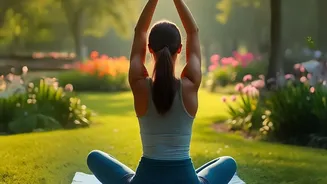
If you wake up feeling ready to go, a morning yoga session can be transformative. The practice is designed to gently awaken the body, boost circulation, and sharpen mental focus. Instead of reaching for that first cup of coffee, a few mindful movements can invigorate your nervous system, kickstart your metabolism, and cultivate a calm, centered mindset to carry you through your day. Studies suggest that morning exercise can improve mood and cognitive function, making you better prepared for whatever challenges arise. It also helps establish a consistent routine, as the quiet early hours often have fewer distractions.
Three Essential Poses for Your Morning Flow
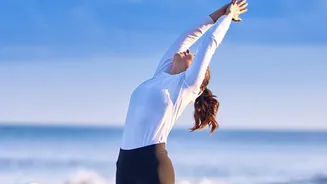
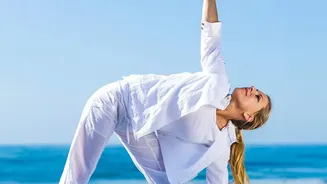
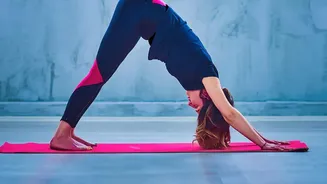
To make the most of your morning, focus on poses that build gentle heat and awaken the spine. Start with Cat-Cow (Marjaryasana-Bitilasana) to increase spinal mobility and stimulate the nervous system. Transition into a few rounds of Sun Salutations (Surya Namaskar), a classic sequence designed to warm up the entire body and link breath with movement. Finish with Downward-Facing Dog (Adho Mukha Svanasana), an energizing pose that stretches the hamstrings and increases blood flow to the brain, helping you feel grounded and focused. Even just 15 minutes of these movements can make a significant difference.
For Night Owls: Calming Stretches to Wind Down
Night owls thrive in the later hours, but shifting from a productive evening to a restful night requires a dedicated transition. An evening stretching routine helps signal to your body and mind that it's time to unwind. This practice is less about building energy and more about releasing the physical and mental tension accumulated throughout the day. Gentle, mindful stretching can calm the nervous system, lower stress hormones, and improve blood flow, all of which contribute to better sleep quality. Research shows that mindful movements before bed can help you fall asleep faster and wake up feeling more rested.
Three Key Stretches for a Restful Night
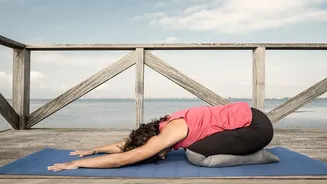
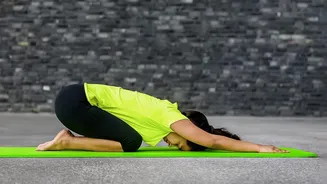
Focus on restorative poses that promote relaxation. Begin with Child's Pose (Balasana), which gently stretches the back, hips, and shoulders while calming the mind. Move into a Seated Forward Fold (Paschimottanasana) to release tension in your hamstrings and lower back, areas that often hold stress from a day of sitting. Finally, try Legs-Up-The-Wall (Viparita Karani), a deeply restorative pose that encourages relaxation and can help soothe tired legs and feet. Hold each stretch for at least 30 seconds to a minute, focusing on slow, deep breathing to enhance the calming effects.