







The Monsoon Effect: A Season of Low Immunity and Digestion
The shift from summer’s dry heat to the monsoon’s high humidity affects our bodies more than we realise. According to both modern science and traditional Ayurvedic wisdom, this season brings a set of health challenges. The damp, cool environment is a fertile
breeding ground for bacteria and viruses, increasing the risk of infections like the common cold, flu, and other water-borne diseases. More specifically, our digestive system tends to slow down. Ayurveda refers to this as a weakened digestive fire or 'Agni'. The high humidity can make our bodies feel sluggish, leading to issues like bloating, indigestion, and a general feeling of heaviness after meals. This combination of a vulnerable immune system and a sluggish gut is precisely why mindful eating becomes a powerful tool for wellness.
What is Mindful Eating, Really?
Mindful eating isn't about restriction; it's about awareness. It’s the practice of paying full attention to the experience of eating and drinking, both inside and outside the body. During the monsoon, this means listening to your body’s altered needs. It's about consciously choosing foods that are easy to digest and boost your immunity. Instead of mindlessly reaching for another fried snack during a downpour, a mindful approach encourages you to ask: "Is my body truly hungry?" or "Will this food nourish me and make me feel good?" It involves eating slowly, savouring each bite, and stopping when you’re comfortably full. This practice helps prevent overeating, especially of heavy, fried foods that can further tax a weakened digestive system.
Foods That Nourish and Protect
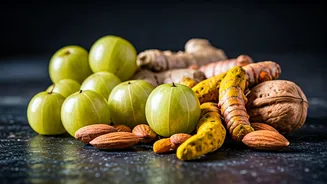
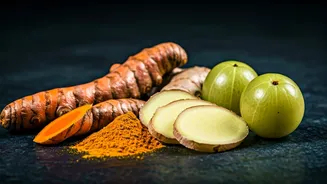
To support your body during the rains, focus on warm, freshly cooked, and easily digestible meals. Soups, broths, and khichdi are excellent choices. Incorporate immunity-boosting spices and herbs liberally into your cooking. Turmeric is known for its anti-inflammatory properties, while ginger and garlic have powerful antimicrobial benefits that help ward off colds and coughs. Seasonal fruits like jamun, pears, plums, and pomegranates are packed with essential vitamins and antioxidants. It's also wise to include probiotics like homemade yoghurt and buttermilk in your diet to support gut health. However, be cautious with leafy green vegetables. While nutritious, they can harbour germs during the monsoon. If you do consume them, ensure they are washed thoroughly and cooked well.
What to Limit or Avoid for a Healthy Gut
One of the most important monsoon tips is to avoid or strictly limit street food. Chaat, pani puri, and other roadside snacks can be a major source of water-borne infections due to potential contamination. The same caution applies to pre-cut fruits and salads sold by vendors. Heavy, oily, and fried foods like samosas and pakoras, while tempting, can cause indigestion and bloating. It's also a good idea to reduce the intake of spicy foods that can irritate the digestive system. Seafood should be consumed with care, as the monsoon is the breeding season for many fish, increasing the risk of contamination. Finally, opt for warm beverages like herbal teas over cold drinks and ice cream, which can weaken digestion further.