





The Long Journey Back
Since 2020, direct air travel between India and mainland China has been suspended, a casualty of pandemic restrictions and subsequent geopolitical tensions. This forced travellers to take lengthy and costly multi-leg journeys, often transiting through
hubs like Hong Kong, Singapore, or Dubai. A trip that should take about six hours could easily stretch to 15 hours or more, significantly increasing both travel time and expense. This has been a major hurdle for business travellers, traders who frequent hubs like Guangzhou, and the thousands of Indian students enrolled in Chinese universities.
A Gradual Thaw in the Skies
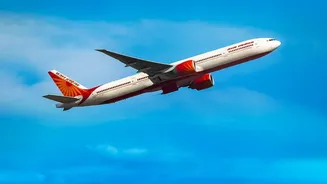
The situation began to change in late 2025, with airlines cautiously reintroducing routes. IndiGo resumed its Kolkata-Guangzhou service in October 2025 and launched a Delhi-Guangzhou route in November 2025. China Eastern also restarted its Shanghai-Delhi route. Now, adding to the momentum, China Southern Airlines is set to launch a daily non-stop service between Delhi and Guangzhou starting September 21, 2026. This steady restoration of direct links is a significant step towards normalizing travel between the two most populous nations in the world.
Why the Guangzhou Route Matters
Guangzhou is not just another city; it's a critical economic powerhouse and a major trading hub in southern China. It hosts the world-famous Canton Fair, a massive trade exhibition that attracts countless Indian business people. The city's proximity to other major industrial centers in the Pearl River Delta makes it a vital gateway for commerce. Before the suspension, the routes to Guangzhou were some of the most frequented by Indian business travellers. Restoring a direct flight from India's capital significantly streamlines access for trade and investment, which are key components of the bilateral relationship.
The Tangible Benefits of Going Direct
The most immediate impact for travellers is a dramatic reduction in journey time and complexity. A direct Delhi-Guangzhou flight takes just over six hours, a stark contrast to the 15-plus hours required for connecting flights. This saves an entire workday for business travellers and reduces the stress and fatigue for all passengers. Cost is another major factor. While prices fluctuate, direct flights eliminate the need to purchase multiple tickets or pay premium fares for convenient layovers, making the journey more affordable. This increased convenience is expected to boost not just business travel but also tourism and educational exchanges.
A Sign of Broader Normalization
The resumption of flights is more than just a logistical convenience; it's a confidence-building measure that reflects a broader warming in diplomatic and economic ties. In a recent article, the Chinese Ambassador to India noted that five direct flight routes between the mainland and India have now been resumed. The move is seen as essential for strengthening people-to-people connections, which have historically been a strong pillar of the India-China relationship. While challenges remain, the open skyways are a powerful symbol of a mutual desire to foster trade, tourism, and dialogue.