


A Living Solution to a Concrete Problem
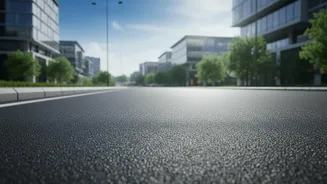
Imagine roads that could repair their own cracks, much like skin heals after a cut. This isn't science fiction, but the premise of self-healing concrete, a technology gaining traction in research labs and pilot projects worldwide. The concept is now being
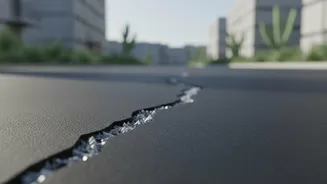
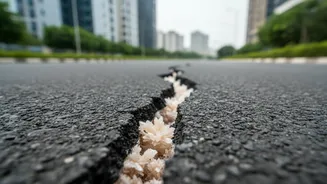
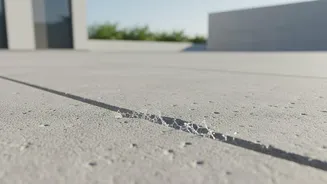
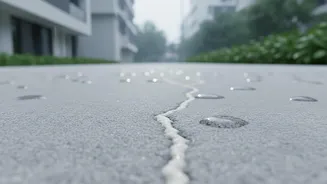
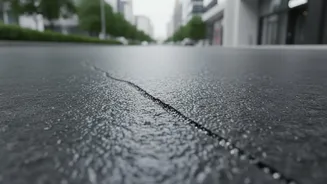
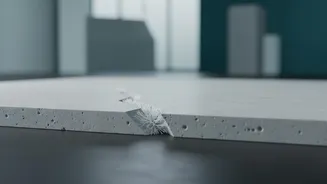
seriously considered for India's beleaguered urban infrastructure. The core idea is to embed dormant, harmless bacteria into the concrete mix. When a crack forms and water seeps in—a common occurrence on any road—these microbes 'wake up' and begin a natural process that mends the damage from within, potentially revolutionising how we approach road maintenance.
How Bacteria Become Concrete Healers
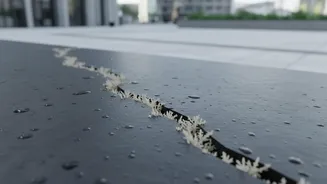
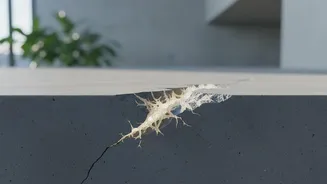
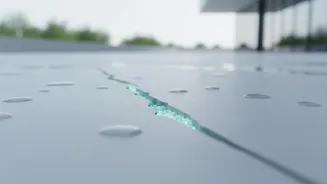
The secret lies in a specific biological process. The chosen bacteria, typically species from the Bacillus genus, are mixed into the concrete along with a food source like calcium lactate. These bacterial spores can lie dormant for years, even decades, protected within the hardened material. When a crack forms, it allows water and oxygen to penetrate. This is the trigger for the bacteria to germinate and consume their food source. Through their metabolic process, they produce calcium carbonate—essentially limestone. This limestone precipitates and crystallizes, filling the crack and sealing it shut. The process not only plugs the gap but also prevents water from reaching and corroding the steel reinforcements within the concrete, significantly enhancing the structure's durability and lifespan.
From the Lab to Indian Streets
While the headline suggests active city-wide trials this season, the technology in India is largely in the advanced research and pilot-testing phase. Premier institutions like the National Institute of Technology (NIT) Srinagar and various Indian Institutes of Technology (IITs) are at the forefront of this research, adapting the technology for Indian conditions. Studies have focused on using bacteria like Bacillus subtilis and identifying cost-effective nutrient sources. The National Highways Authority of India (NHAI) is also exploring various self-healing technologies for highways to create pothole-free roads. Though large-scale municipal deployment isn't widespread yet, these research initiatives are crucial steps toward making self-healing roads a reality across the country.
The Price of Perfect Pavements
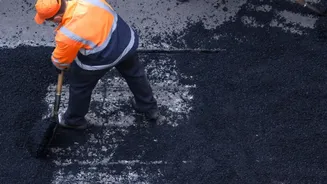
One of the biggest hurdles for any new infrastructure technology is cost. Initially, bacterial concrete is more expensive to produce than conventional concrete. The specialised bacteria and their nutrient capsules add to the upfront material cost. However, the long-term economic benefits could be substantial. Proponents argue that the reduction in frequent and costly maintenance and repair work would offset the higher initial investment over the lifespan of the road. By automatically healing minor cracks before they become major potholes, the technology promises to reduce traffic disruptions, labour costs, and the recurring cycle of patch-up jobs that define road maintenance in many Indian cities. Researchers are also exploring the use of industrial by-products like fly ash to reduce the overall cost of the concrete mix.
The Road Ahead for Self-Healing
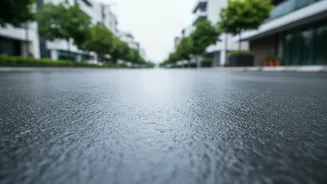
The potential is immense. Beyond just stronger roads, bacterial concrete offers significant sustainability advantages by extending the life of structures and reducing the need to produce new cement, a process that accounts for a substantial portion of global carbon emissions. Studies have shown that this bio-concrete not only heals cracks up to 0.5 mm wide but can also result in a material that is stronger and less permeable to water than traditional concrete. Before this technology can be rolled out on a national scale, challenges like optimising the bacterial strains for different climates, ensuring their long-term survival, and streamlining production need to be addressed. However, the promise of a future with fewer potholes makes it a journey worth undertaking.