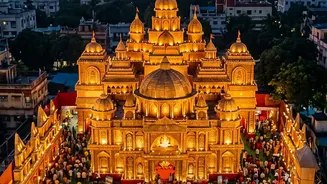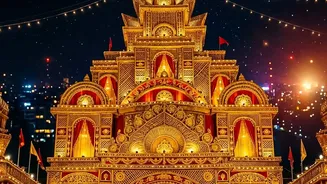







There's an undeniable magic to a street celebration. The air crackles with a different kind of energy compared to an indoor show. But why does a bustling mela or an open-air concert often feel so much more alive than a ticketed event in a hall?
The Freedom of No Walls
The most
obvious difference is the lack of physical confinement. Indoor venues, by design, have boundaries: walls, assigned seats, and designated entry and exit points. This structure, while necessary for control and acoustics, can subtly inhibit our sense of freedom. Outdoors, these barriers dissolve. You can wander, find a spot on the grass, or join a crowd near a food vendor. This freedom of movement is not just a convenience; it is a psychological release. Research in environmental psychology suggests that natural settings help restore our minds from the fatigue of sustained focus. An indoor show demands your constant, directed attention, while an outdoor festival allows your mind to wander and reset, making the experience feel less like a performance to be consumed and more like a world to be inhabited.
A Symphony for the Senses
An indoor hall is a controlled environment. The lighting is artificial, the temperature is regulated, and the sound is engineered to be perfect. While this can be ideal for a classical music concert, it creates a sterile sensory experience. Outdoor celebrations, in contrast, are a feast for all senses. You have the shifting sunlight or the glow of festival lights, the smell of dozens of different foods cooking, the ambient sounds of the city, and the feel of a breeze. This multisensory stimulation makes the event feel richer and more memorable. It is the difference between watching a film in a pristine cinema and being an extra in the movie itself. This unpredictable sensory input breaks the monotony of daily life and signals that the experience is special and distinct from our normal routines.
The Power of Spontaneous Community
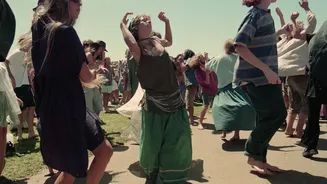
Indoor events are often socially structured. You interact primarily with the people you came with. Outdoor festivals, however, are built on a foundation of spontaneous community. The open layout encourages mingling, and the shared experience of being together in a public space lowers social barriers. You might share a laugh with a stranger while in a queue, join an impromptu dance circle, or bond with fellow fans. Sociologists call this feeling 'collective effervescence'—the energy and harmony felt when people come together for a shared purpose. This sense of visible belonging is powerful; it turns a crowd of individuals into a temporary community, celebrating together. The invitation is open to anyone who happens to be passing by, creating a more democratic and inclusive atmosphere than the exclusivity of a ticketed indoor show.
The Allure of the Unexpected
Perhaps the greatest source of energy in a street celebration is its unpredictability. While an indoor show follows a strict schedule, an outdoor festival has countless moving parts. You might stumble upon a small side stage with a brilliant local band, discover a new favourite dish from a pop-up stall, or witness a moment of pure, unplanned joy as a group of children chase bubbles. This element of discovery is a key part of the appeal. Novelty has been shown to boost dopamine, a neurotransmitter associated with pleasure and motivation. The planned, predictable nature of an indoor event can't compete with the 'organized chaos' of an outdoor festival, where anything feels possible. This freedom from a rigid script is what infuses the atmosphere with a raw, untamed energy that a perfectly produced indoor show can rarely match.