




The Challenge of Humid Workouts
Working out in high humidity feels significantly harder for a key reason: your body can't cool itself efficiently. Normally, sweat evaporates from your skin, taking heat with it. But when the air is already saturated with moisture, that sweat has nowhere
to go. It drips off without providing much cooling effect, forcing your body to sweat even more in an attempt to regulate its temperature. This leads to a rapid loss of both fluids and essential minerals called electrolytes, increasing cardiovascular strain, accelerating fatigue, and raising the risk of dehydration.
Coconut Water's Natural Advantage
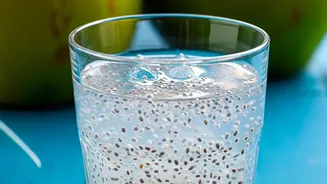
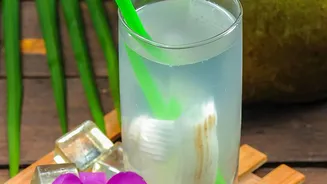
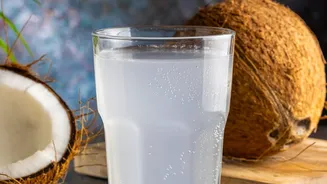
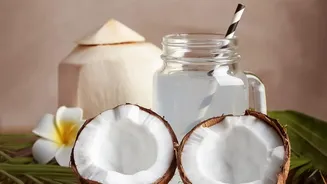
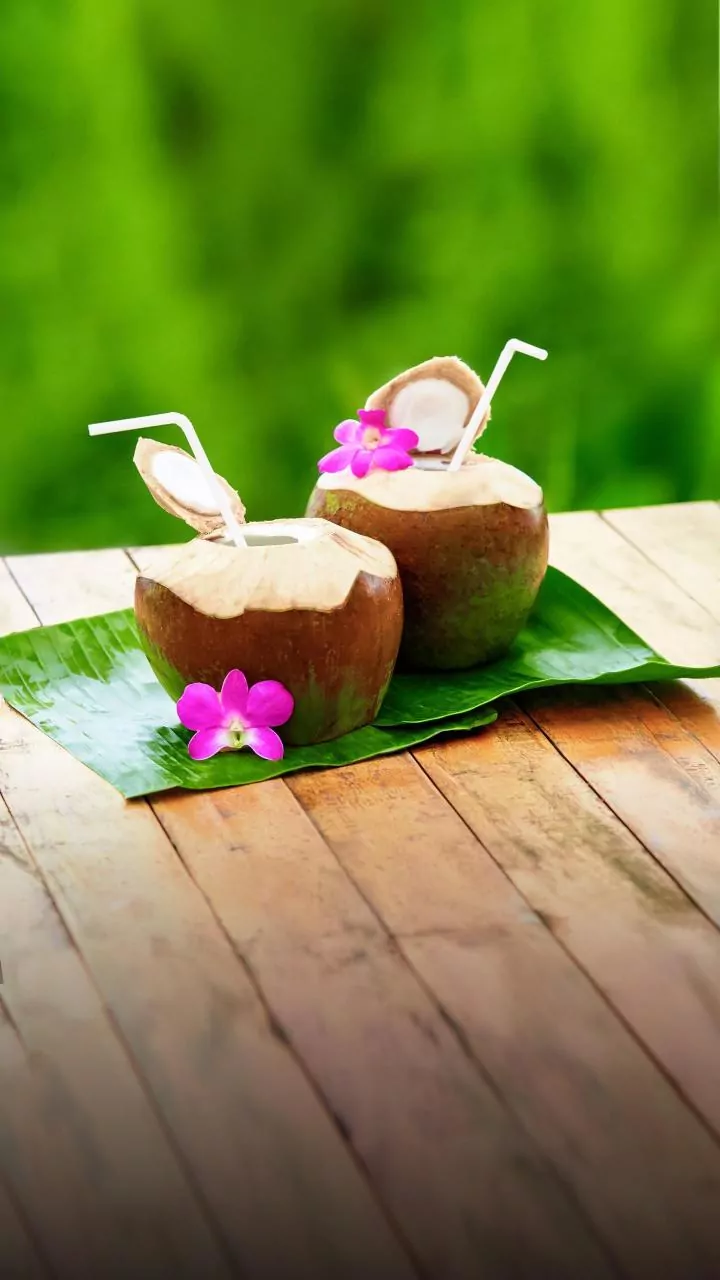
Coconut water, the clear liquid from inside young green coconuts, is often called 'nature's sports drink' for good reason. It is naturally rich in electrolytes, which are minerals that help your body maintain fluid balance, nerve function, and muscle contractions. Its standout nutrient is potassium; a single cup can contain more potassium than a banana. This mineral is crucial for muscle function and balancing fluid levels within your cells. Compared to plain water, coconut water's blend of fluid and electrolytes makes it a more effective hydrator, especially after light to moderate exercise.
Why You Need to Add Salt
While coconut water is a potassium powerhouse, it is naturally low in sodium. This is significant because sodium is the primary electrolyte you lose through sweat. Sodium plays a critical role in hydration. It helps your body absorb and retain water in the bloodstream, stimulates your thirst mechanism to encourage drinking, and is vital for muscle contractions. Relying only on coconut water during an intense, sweaty workout might not be enough to replace the sodium you're losing, which can lead to cramps and fatigue.
A More Complete Hydration Solution
This is where the pinch of salt comes in. By adding a small amount of salt (sodium chloride) to coconut water, you create a more complete and balanced electrolyte drink. The added sodium complements the abundant natural potassium, creating a profile that more closely mimics what your body loses in sweat. This combination enhances your body's ability to absorb the fluid rapidly and effectively. You are not only replenishing lost water but also restoring the two key electrolytes—sodium and potassium—needed for optimal muscle and nerve function during a gruelling session.
How It Compares to Sports Drinks
Commercial sports drinks are scientifically formulated to provide carbohydrates for energy and a specific balance of electrolytes for hydration. However, they often contain artificial colours, flavours, and high amounts of sugar. Salted coconut water offers a natural alternative. While it may have fewer carbohydrates, it provides naturally occurring vitamins and minerals without the additives. For many people engaged in moderate to intense fitness sessions, this simple, homemade drink provides effective hydration without the extra sugar and processing of many store-bought options.
Making Your Own Natural Hydrator
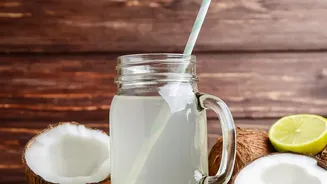
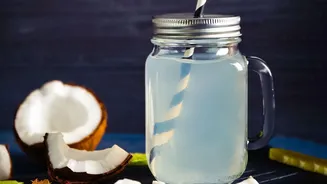
Preparing this drink is incredibly simple. For one standard glass (around 250 ml) of fresh coconut water, a small pinch of salt—about ⅛ of a teaspoon—is sufficient. You can use regular table salt, sea salt, or pink Himalayan salt. Stir until it dissolves completely. For extra flavour and a bit of Vitamin C, you can add a squeeze of fresh lime juice. The taste should be balanced, not overly salty. The goal is to replenish minerals, not to make a savoury drink. It's best consumed during or immediately after your workout for maximum benefit.