

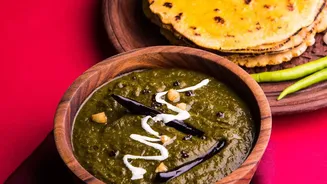
Sarson ka Saag (Mustard Greens)
Nothing says winter in North India quite like a vibrant bowl of sarson ka saag. These hearty mustard greens are a seasonal specialty, available only during the cold months. They are traditionally slow-cooked with other greens like spinach and bathua,
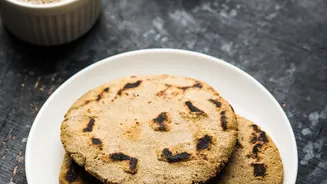
creating a creamy, nutrient-dense dish. Mustard greens are packed with vitamins A, C, and K, as well as essential minerals like iron and calcium that support immunity and bone health. Their high fibre content aids digestion and can help improve the body's metabolic activity, which sometimes feels sluggish in winter. The classic way to enjoy it is with a dollop of white butter and warm makki di roti (maize flour flatbread), another winter staple.
Gajar (Red Carrots)
While orange carrots are available year-round, the arrival of deep red carrots, or 'lal gajar', signals the true start of winter. These carrots are sweeter, juicier, and are the star ingredient in the beloved dessert gajar ka halwa. They are an excellent source of beta-carotene, which the body converts to Vitamin A, crucial for maintaining good vision and boosting the immune system. Red carrots also lend themselves to making kanji, a fermented probiotic drink seasoned with mustard seeds, which is excellent for gut health. Their natural sweetness makes them a delicious and healthy addition to salads, juices, or pickles.
Mooli (Radish)
The crisp, pungent white radish is a winter workhorse in the Indian kitchen. Often found stuffed in hot parathas for a satisfying breakfast, mooli is also enjoyed raw in salads with a sprinkle of salt and lemon. It is valued for its digestive properties; its high fibre content helps promote regular bowel movements and can reduce issues like bloating and indigestion. Traditionally, radish is also believed to act as a natural detoxifier, supporting liver and kidney function. Rich in Vitamin C, it contributes to a stronger immune system, helping the body fend off common winter infections.
Shakarkandi (Sweet Potato)
A healthier and more nutrient-dense alternative to regular potatoes, shakarkandi is a quintessential winter street food, often roasted over coals and served with a sprinkle of chaat masala. This root vegetable is an exceptional source of beta-carotene (a precursor to Vitamin A) and Vitamin C, which are vital for a strong immune system and healthy skin. Despite its sweet taste, sweet potato has a moderate glycaemic index when boiled, and its high fibre content helps in the slow release of sugar, making it a good choice for sustained energy. It's also rich in potassium, which is important for heart health.
Amla (Indian Gooseberry)
Amla is a true winter superfood, renowned in Ayurveda for its immense health benefits. This small, tart green fruit is one of the richest natural sources of Vitamin C, containing significantly more than an orange. This makes it a powerful immunity booster, ideal for warding off the colds and coughs that are common during this season. The Vitamin C in amla is also heat-stable, meaning its benefits are retained even when cooked or dried. Enjoy it fresh with a pinch of salt, juiced, or preserved as a sweet 'murabba' or tangy pickle to last through the winter.
Methi (Fenugreek Leaves)
Fresh fenugreek leaves are another green vegetable that is at its best during the winter. With a distinct, slightly bitter flavour, methi is incredibly versatile and used to make everything from theplas and parathas to flavourful dals and sabzis. Methi leaves are packed with dietary fibre, which helps in digestion and can aid in regulating blood sugar levels by slowing sugar absorption. The leaves also contain compounds that have antioxidant and anti-inflammatory properties, contributing to overall wellness during a season when the body can feel more sluggish.
Til (Sesame Seeds)
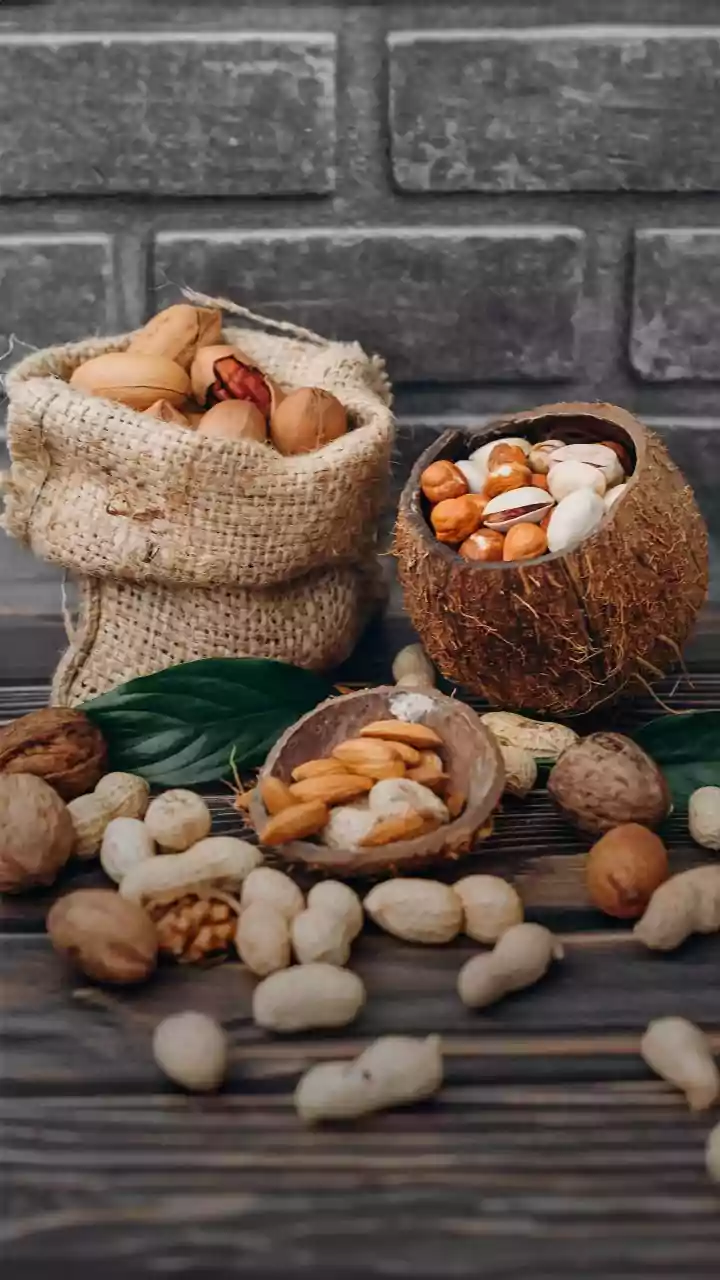
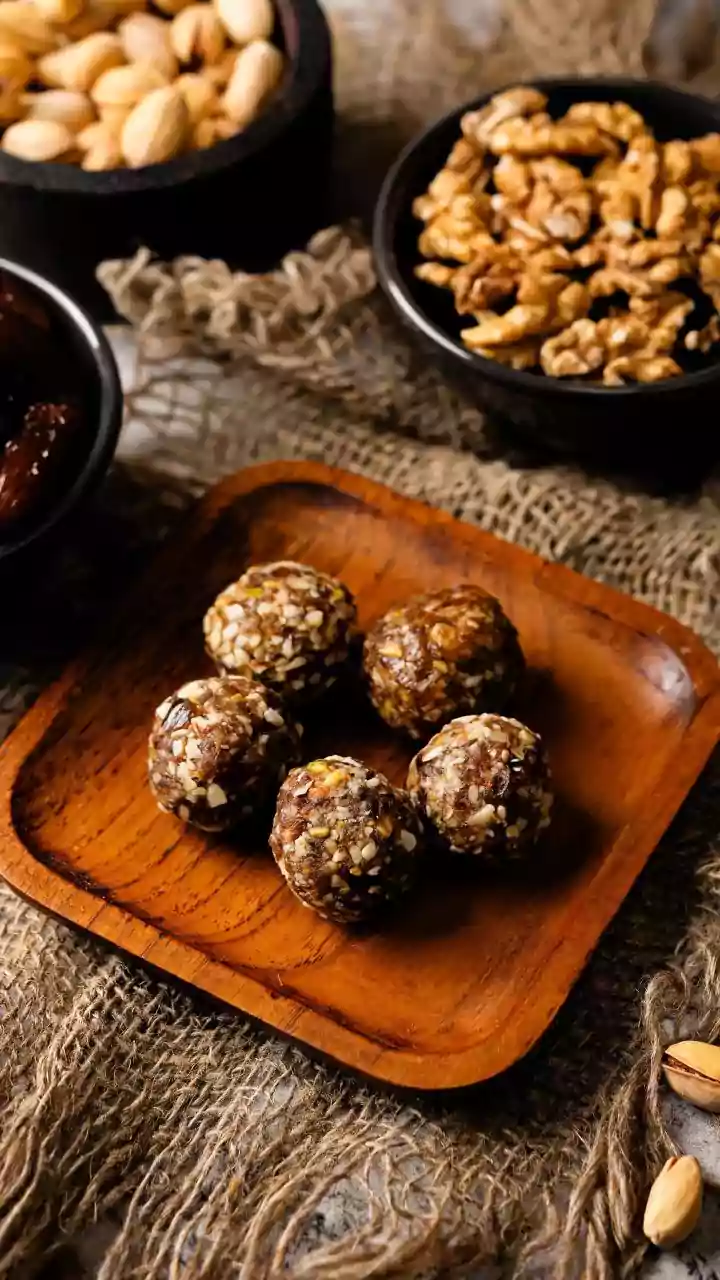
According to Ayurveda, sesame seeds are considered 'ushna' or warming, making them an ideal food for the cold, dry winter months. These tiny seeds are a nutritional powerhouse, packed with healthy fats, protein, calcium, iron, and magnesium. Their high calcium content is particularly beneficial for bone health. In India, til is famously used to make winter sweets like til ke laddoo and chikki, often combined with jaggery, especially around the festival of Makar Sankranti. Consuming these warming foods is believed to boost energy, improve circulation, and help the body stay warm from within.