

Why Choose Natural Pest Control?
Opting for natural pest control methods is a win for your garden and the environment. Synthetic chemical pesticides can be indiscriminate, harming beneficial insects like bees and ladybugs, which are crucial for pollination and natural pest management.
These chemicals can also leave undesirable residues on your home-grown vegetables and seep into the soil. Natural alternatives, on the other hand, tend to be more targeted and biodegrade quickly, preserving the delicate ecosystem of your garden. By creating your own pest solutions, you control exactly what goes onto your plants and into your soil, ensuring a healthier harvest for your family and a safer habitat for local wildlife.
Neem Oil: The Garden's Ancient Guardian
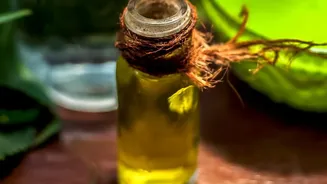
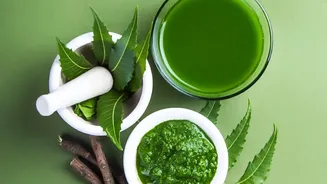
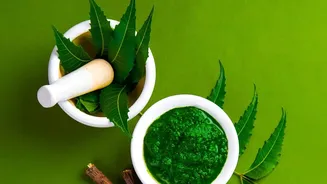
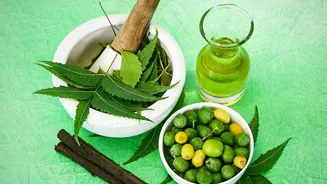
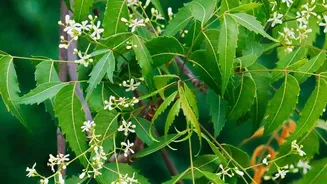
Neem oil, extracted from the seeds of the neem tree native to the Indian subcontinent, is a cornerstone of organic gardening. Its power lies in the compound azadirachtin, which works in multiple ways. It's not a knockdown poison that kills instantly; instead, it acts as an antifeedant, making leaves unpalatable to pests. It also disrupts the life cycle of insects by interfering with their hormones, preventing them from moulting and reproducing. This makes it highly effective against soft-bodied pests like aphids, mealybugs, whiteflies, and spider mites. Because it needs to be ingested, it is most effective on chewing and sucking insects and has a lower impact on adult pollinators who are not feeding on the plant tissue.
How to Prepare and Use Neem Oil Spray
To be effective, neem oil must be mixed correctly, as oil and water do not combine on their own. You need an emulsifier, like a mild liquid soap. For a standard home garden solution, mix 1 teaspoon (about 5 ml) of cold-pressed neem oil with ½ teaspoon of gentle, non-detergent liquid soap (like castile soap). First, mix the oil and soap together thoroughly, then add this mixture to 1 litre of warm water and shake well. The solution should look milky. Always perform a patch test on a small leaf and wait 24 hours to ensure your plant isn't sensitive. Apply the spray in the evening or early morning, as direct sunlight can cause the oil to burn the leaves. Be sure to coat all surfaces, especially the undersides of leaves where pests often hide. Use the mixture within a few hours, as it loses potency over time.
Soapy Water: The Simplest Solution
A simple soap spray is another powerful tool against common garden pests. It works on contact, dissolving the waxy outer layer of soft-bodied insects, which leads to dehydration and death. This method is particularly effective against aphids, mites, thrips, and mealybugs. The key is to use a true soap, not a synthetic detergent. Many household dish liquids are detergents and can contain chemicals, degreasers, and salts that may strip the natural protective oils from leaves and harm your plants. For the safest and most effective spray, choose a pure liquid soap like castile soap, which is made from vegetable oils.
Crafting Your Insecticidal Soap Spray
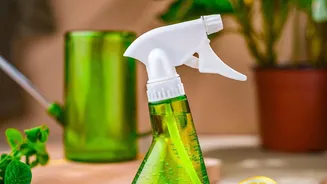
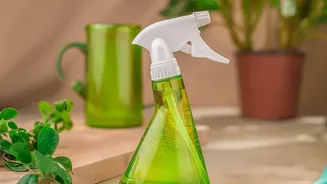
Creating an effective insecticidal soap spray is incredibly simple. Mix 1 to 2 teaspoons of a mild liquid soap (like castile soap) into 1 litre of water. It's important not to make the solution too strong, as a high concentration of soap can damage plant foliage. Pour the mixture into a clean spray bottle and shake gently to combine. Just as with neem oil, it is wise to test the spray on a small area of the plant first. Apply it directly onto pests, ensuring thorough coverage. The spray must make contact with the insects to work. Like neem oil, apply it during cooler parts of the day to prevent leaf scorch. You may need to reapply every few days to manage a persistent infestation.
Best Practices for a Healthy Garden
These natural sprays are most effective as part of a broader garden health strategy. Healthy plants are naturally more resistant to pests, so ensure they have good soil, proper water, and adequate sunlight. Regularly inspect your plants for early signs of trouble, as infestations are easier to manage when caught early. Consider companion planting with herbs and flowers that repel pests or attract beneficial predatory insects. By combining these natural sprays with good gardening habits, you create a resilient and thriving garden ecosystem that can largely take care of itself, reducing the need for constant intervention.