


Roasting: For Deep, Sweet Flavours
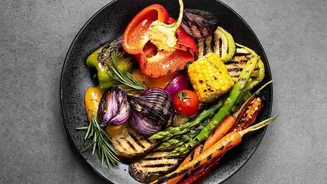
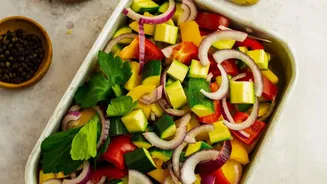
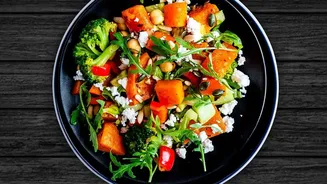
Roasting uses high, dry heat to caramelise the natural sugars in vegetables, resulting in a wonderfully sweet, concentrated flavour and a tender interior with delightfully crispy edges. This method is perfect for sturdy, dense vegetables that can handle
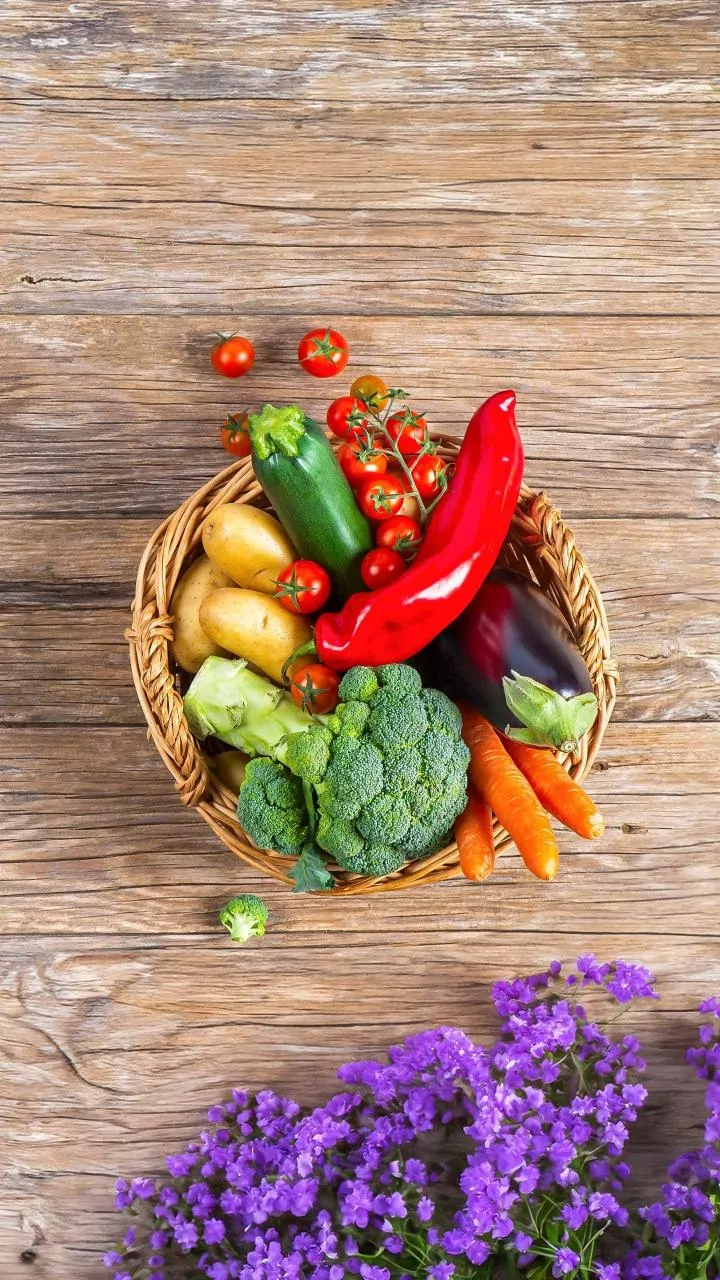
the heat. Think of winter staples like carrots, potatoes, sweet potatoes, beetroot, and pumpkin. It also works beautifully with cruciferous vegetables like cauliflower and broccoli. For the best results, cut your vegetables into uniform pieces, toss them lightly in oil and your favourite spices, and spread them in a single layer on a baking sheet. Cook in a hot oven until they are tender and browned, and you'll have a simple, flavourful side dish or a great base for curries and stews.
Steaming and Blanching: For Nutrient-Rich Simplicity
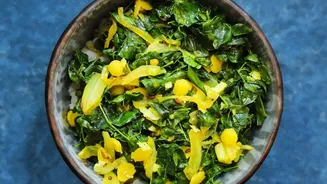
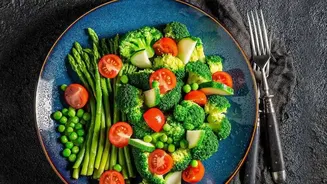
When you want to preserve the natural taste, crisp texture, and vital nutrients of a vegetable, steaming is your go-to method. It’s a gentle, moist-heat technique that is ideal for delicate produce like leafy greens (spinach, methi), green beans, peas, and asparagus. Steaming prevents vegetables from becoming waterlogged and helps retain vitamins that can be lost during boiling. Blanching, which involves a very brief dip in boiling water followed by an ice bath, serves a similar purpose. It’s an excellent preparation step that brightens the colour of vegetables like broccoli and beans and shortens their final cooking time in another dish, such as a stir-fry or a mixed vegetable subzi.
Stir-Frying: For Quick, Crunchy Meals
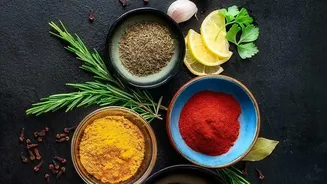
For a fast, fresh, and flavourful meal, nothing beats a stir-fry. This high-heat cooking method keeps vegetables vibrant and crunchy. The key to a successful stir-fry is preparation and timing. Use a large pan or wok to avoid overcrowding, which can cause vegetables to steam rather than fry. Cut all your ingredients into similar-sized pieces for even cooking. Start by adding harder vegetables like carrots, cauliflower, and bell peppers first, as they take longer to cook. Softer vegetables like mushrooms, zucchini, and leafy greens should be added towards the end. A classic Indian stir-fry often starts with blooming spices like cumin, turmeric, and coriander in hot oil to create an aromatic base before the vegetables are added.
Sautéing and Tadka: The Heart of Everyday Cooking
While similar to stir-frying, sautéing often involves slightly lower heat and is used to build a foundational layer of flavour for many Indian dishes. It begins with aromatics like onions, garlic, and ginger cooked until soft and fragrant. This is frequently followed by a 'tadka' or tempering, where whole or ground spices are briefly fried in hot oil or ghee to unlock their essential oils and infuse the entire dish with flavour. This seasoned oil is then used to cook the vegetables. This method is incredibly versatile and forms the base for countless everyday subzis, from bhindi masala to aloo gobi, allowing the spices to coat the vegetables beautifully.
Braising and Stewing: For Hearty, Comforting Dishes
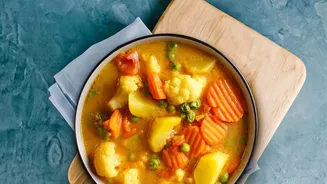
Braising and stewing are slow-cooking techniques perfect for transforming tougher or sturdier vegetables into tender, melt-in-your-mouth morsels. These methods involve cooking vegetables slowly in a covered pot with a small amount of liquid, such as broth, water, or coconut milk. This is an excellent choice for vegetables like cabbage, gourds (like lauki), turnips, and fennel. The gentle, sustained heat allows the vegetables to absorb the flavours of the braising liquid and aromatics, resulting in a deeply savoury and satisfying dish. It's the ideal method for creating comforting stews, rich curries, and side dishes where a soft, succulent texture is desired.