


What The Latest Science Says
Recent studies have reinforced the link between high consumption of ultra-processed foods and negative health outcomes. A study highlighted in mid-2026 found that people eating the most UPFs had worse health markers, including higher body weight and blood
pressure, even when accounting for the food's basic nutritional content like sugar or fat. Another major study presented at the American College of Cardiology's 2026 session found that individuals consuming nine or more servings of UPFs daily had a significantly higher risk of heart attacks and strokes compared to those who ate only one serving. The concern isn't just about one ingredient; it’s about the entire industrial formulation. Researchers suggest factors beyond just salt and sugar—like the loss of the food's natural structure, chemical additives, and even substances from packaging—may contribute to health risks. These findings show a consistent pattern: diets high in UPFs are associated with a greater risk of conditions like heart disease, type 2 diabetes, and obesity.
What Counts as an Ultra-Processed Food?
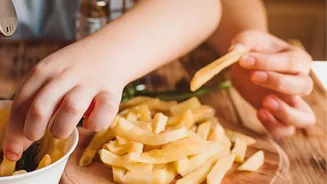
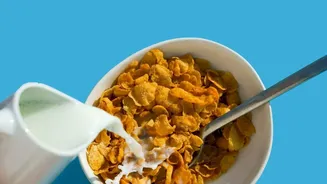
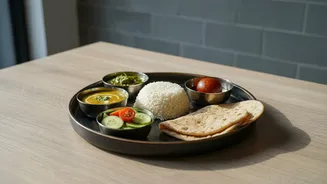
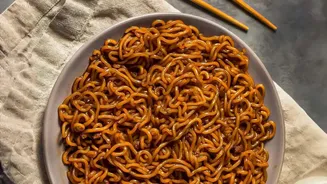
The term 'ultra-processed' can be confusing because not all packaged food is bad. The NOVA classification system helps clarify this. It groups foods based on their level of processing. Unprocessed or minimally processed foods are things like fresh fruits, vegetables, dal, rice, and plain milk. Processed foods have been altered slightly, like cheese or canned vegetables. Ultra-processed foods, however, are industrial formulations made with ingredients you wouldn't typically find in a home kitchen. Think emulsifiers, artificial colours, flavour enhancers, and preservatives. In an Indian context, this includes many common items: instant noodles, packaged namkeens and chips, biscuits, sugary breakfast cereals, soft drinks, and ready-to-fry frozen snacks. Even some seemingly traditional products like ready-made gravy mixes or instant upma can fall into this category.
Small Swaps for Big Impact
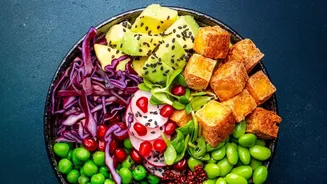
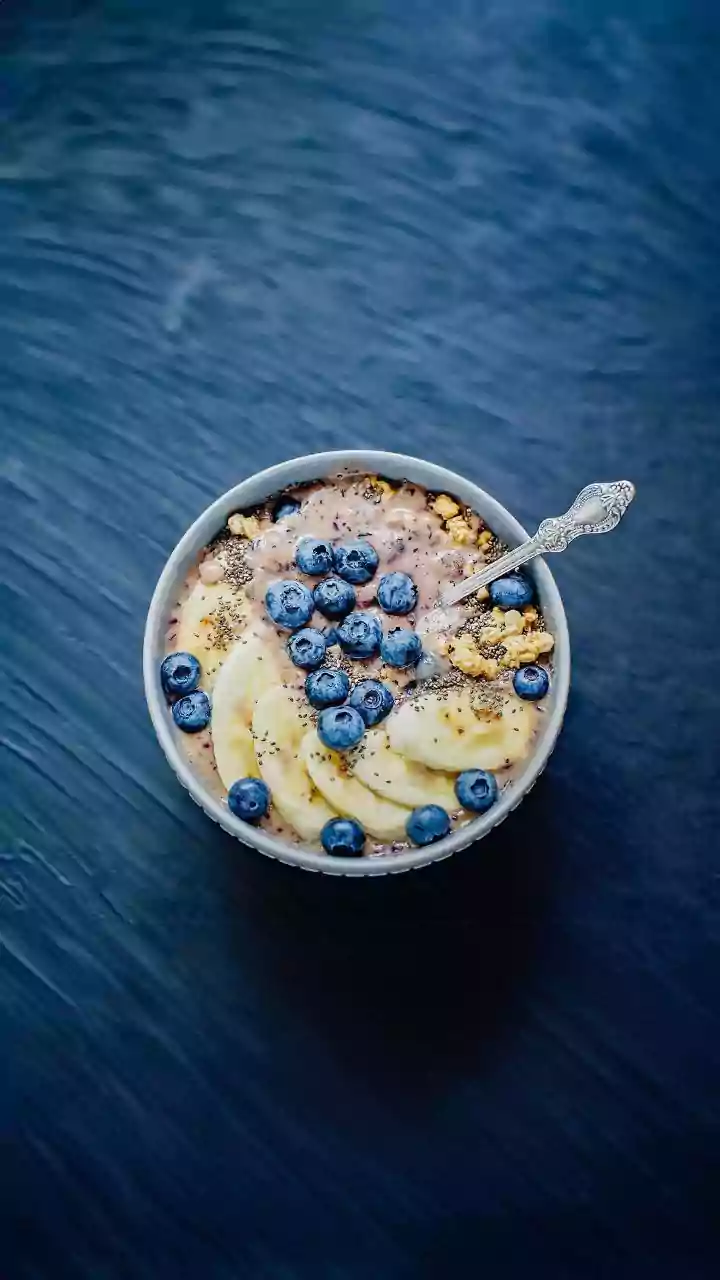
The goal is not to achieve a perfect, UPF-free diet overnight, which is unrealistic for most families. Instead, focus on small, sustainable changes. Start by reading labels. If the ingredient list is long and full of unpronounceable names, it's likely ultra-processed. From there, you can make simple swaps. Instead of a packaged, sugary breakfast cereal, try plain oats with fresh fruit. Swap bottled juices, which are often high in sugar, for whole fruits or just water. Instead of buying ready-made ginger-garlic paste with preservatives, it can be made fresh and stored for a few days. Cooking one or two extra meals at home each week can significantly reduce reliance on ready-to-eat meals. The idea is progress, not perfection.
Rethinking Convenience in the Kitchen
One of the biggest draws of UPFs is convenience. For busy families, this is a major factor. The key is to create your own convenience with healthier options. Dedicate a small amount of time on the weekend to meal prep. You can chop vegetables for the week, boil eggs for quick snacks, or make a large batch of dal or curry to eat over a couple of days. Stock your pantry and fridge with healthier convenience foods. This includes items like unsalted nuts, roasted chana, plain yogurt, and frozen vegetables without added sauces or salt. Having these on hand makes it easier to pull together a quick, nutritious meal or snack without reaching for a packet of chips or instant noodles.
Navigating a UPF World with Kids
Children are often the primary target for UPF marketing, with colourful packaging and cartoon characters. Studies show a high percentage of foods marketed to toddlers are ultra-processed. Limiting these is crucial, as early eating habits can last a lifetime. Involve children in cooking and food preparation. When they help make a meal from scratch, they are often more excited to eat it. Explain in simple terms why you are choosing certain foods over others—focusing on how whole foods make them strong and energetic. You don't have to ban their favourite treats entirely. Instead, you can frame them as 'sometimes foods' rather than 'everyday foods', teaching moderation and balance from a young age.