



The Foundation: To Mash or To Pulse?
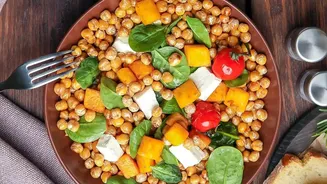
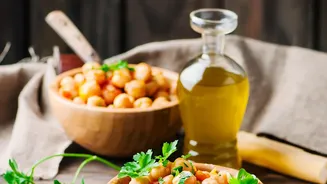
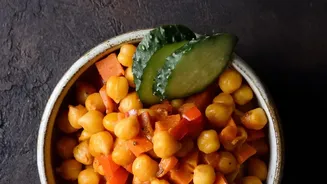
The texture of your sandwich starts with how you treat the chickpeas. While it's tempting to toss them in a food processor for a quick blitz, this often leads to a paste-like consistency resembling hummus. For a more satisfying, chunky texture, mashing
the chickpeas by hand is your best bet. Use a potato masher or a sturdy fork to break them down. The goal is not complete uniformity; you want to leave some chickpeas partially or even fully intact. This creates structural integrity and a more interesting bite. If you do use a food processor, use very short pulses, just enough to break the beans down without turning them into a purée.
Creating the Creamy Binder
Once your chickpeas are mashed, the next step is creating the creamy element that holds everything together. Mayonnaise is the classic choice, providing richness and a velvety mouthfeel. For a lighter but still creamy option, Greek yogurt is an excellent substitute that also adds a protein boost. Some recipes even call for a combination of both. Other alternatives include tahini for a nutty, earthy flavour or mashed avocado for a fresh, vibrant creaminess. The key is to add your binder incrementally. Start with a smaller amount, mix thoroughly, and then add more until you reach your desired level of creaminess. This prevents the salad from becoming overly wet or soggy.
The Crucial Crunch Factor
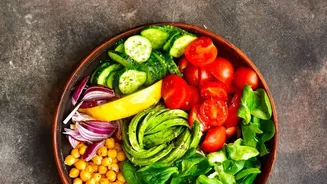
A great chickpea sandwich is a study in contrasts, and the most important contrast to creaminess is crunch. This is where you can get creative. Finely diced celery is a classic for a reason, providing a fresh, crisp texture and mild flavour. Finely chopped red onion or shallots add a sharper bite. For more complex crunch, consider adding toasted nuts like walnuts or seeds like roasted sunflower seeds. Diced pickles, cornichons, or even radishes can introduce both crunch and a briny, tangy element that cuts through the richness of the binder. Sliced bell peppers or grated carrots can also be added for sweetness and texture. Chop these ingredients finely to ensure they are well-distributed, giving you a balanced bite every time.
Boosting Flavour and Brightness
Texture is not just about feel; it's also enhanced by flavour. Acidity and fresh herbs are essential for lifting the entire mixture and preventing it from tasting heavy. A squeeze of fresh lemon juice is non-negotiable for brightness. A teaspoon of Dijon or whole-grain mustard adds a tangy depth. Fresh herbs like dill, parsley, or chives bring a necessary freshness that complements the other ingredients perfectly. Don't be afraid to season generously with salt and pepper. Taste the mixture before you build your sandwich and adjust the seasonings until the flavours pop.
Assembling the Perfect Sandwich
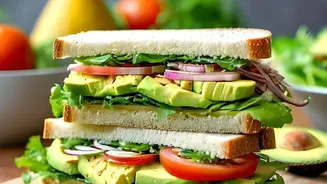
The final element of texture is the bread itself. A soft, flimsy bread will quickly become soggy and fail to contain the hearty filling. Opt for a sturdy bread like toasted sourdough, a crusty roll, or a hearty multigrain loaf. Toasting the bread is a critical step, as it creates a barrier against moisture and adds another layer of crunch. For an extra layer of protection, some suggest spreading a thin layer of mayonnaise or mashed avocado directly onto the toasted bread before adding the filling. Finally, don't forget your greens. Crisp lettuce leaves or fresh spinach provide a final, fresh crunch that completes the textural journey.