



The Soul of a Zari Saree
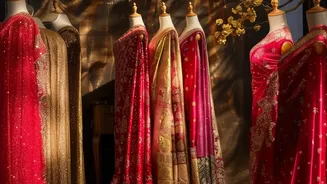
Before it becomes a curtain, it is a repository of culture. A Zari saree is defined by its use of metallic threads, traditionally of real gold or silver, woven into silk or cotton to create intricate, shimmering patterns. The word 'Zari' itself comes from
a Persian word for gold, hinting at its luxurious origins. Historically, these sarees were symbols of prestige, worn during weddings and festivals, and passed down through generations like jewellery. This is not just any fabric; it is a textile rich with heritage, where every motif tells a story. The weight, shimmer, and artistry make it a powerful medium, but also a delicate one to repurpose.
From Heirloom to Home
The journey from a cherished garment to a piece of home decor begins with sourcing. Many of these sarees come from personal collections, donated or sold when they are too fragile to be worn. They arrive at artisan workshops in varying conditions—some pristine, others with frayed edges or small tears. This is where the vision of upcycling takes shape. Instead of discarding these beautiful textiles, craft collectives see an opportunity to preserve their essence in a new form. This approach is part of a larger trend in India towards sustainable interiors and responsible design, where reclaimed materials and vintage pieces add character and reduce waste.
The Artisan's Careful Touch
Transforming a vintage Zari saree into a high-end drapery panel is a meticulous process that demands immense skill. First, the sarees are gently cleaned, a delicate task given the metallic threads. Then, artisans carefully assess the fabric, deciding which parts to salvage. The pallu, often the most ornate section, might become the centerpiece of a panel, while sections of the border can be stitched together to create a new, continuous pattern. Any damage is painstakingly mended. To create the length and width required for curtains, multiple sarees are often panelled together. This requires a keen eye for design to ensure the final product looks cohesive and intentional. A lining, often of soft cotton, is usually added to protect the delicate silk and add body to the drape.
The Magic of Filtered Light
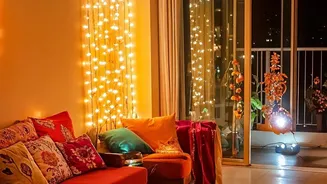
The final creation is more than just a curtain; it's a light-filtering screen that brings a unique warmth to a room. Lightweight saree fabrics like silk or chiffon naturally diffuse sunlight, creating a soft, ethereal glow. The Zari work adds another layer of magic. The metallic threads catch the daylight, creating a subtle, shimmering effect that animates the space. Unlike heavy, opaque curtains, these drapes don’t block the light but rather play with it, casting intricate shadows and lending an air of quiet luxury. This focus on maximizing natural light is a key element of modern biophilic design, which seeks to connect indoor spaces with the natural world.
More Than Just a Curtain
This movement is about more than just beautiful home decor. It represents a powerful intersection of sustainability, cultural preservation, and social empowerment. By upcycling old textiles, these collectives contribute to a circular economy, diverting waste from landfills. They provide dignified employment and a vital source of income to artisans, particularly women in rural areas, helping to preserve traditional skills like hand-stitching and weaving that might otherwise be lost. For the homeowner, it is a chance to own something with a story—a piece of decor that is not only beautiful and functional but also carries a legacy of craftsmanship and conscious consumption.