






The Scent of Arrival
There is a word for the distinct, earthy aroma that accompanies the first rain after a long dry spell: petrichor. [4, 8] Coined by Australian scientists in 1964, the term combines the Greek words for “stone” and “the blood of the gods.” [5, 9, 17] This
evocative scent is a chemical cocktail. During dry periods, certain plants secrete oils that accumulate in the soil and rock, and soil-dwelling bacteria produce a compound called geosmin. [4, 5, 17] When raindrops hit the dry ground, they trap tiny air bubbles that shoot upwards, releasing these compounds into the air in an aerosol effect. [4] Humans are exceptionally sensitive to geosmin, able to detect it at concentrations as low as five parts per trillion. [5, 10] This sensitivity is likely an evolutionary inheritance from ancestors who relied on rain for survival, linking the smell to the promise of water, plant growth, and life itself. [5, 8]
A Symphony in Green
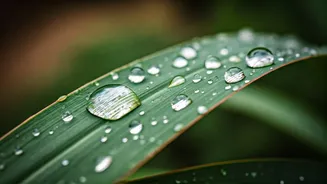
Visually, the transformation is staggering. Parched, brown landscapes flush with an almost impossibly vibrant green. [13, 21] This sudden explosion of life encourages a slower, more deliberate way of seeing. You notice the way water droplets bead like jewels on a lotus leaf or the intricate network of rivulets carving paths in the mud. The sky puts on its own show, with dramatic cloud formations rolling in, creating a moody, atmospheric backdrop. [21] In places like the Western Ghats or the hill stations of Matheran, clouds descend to eye level, drifting across walking trails and wrapping the scenery in a soft, ethereal fog. [12, 22] This visual drama forces our focus away from distant horizons and onto the immediate, magical theatre of the natural world.
The Sound of Life Returning
The monsoon is anything but quiet. It has a rich and varied soundtrack that can be both powerful and deeply comforting. It begins with the percussive rhythm of the first large drops hitting the tin roof or dusty ground. This is soon joined by the steady, hypnotic drumming of a downpour, a sound often described as a form of “pink noise” that can decrease brain activity and improve sleep. [6] As the rain settles in, a new chorus emerges. Frogs, like the common Indian bullfrog which can turn a surprising yellow during breeding season, begin their guttural calls. [13] The drone of cicadas returns with a vengeance. The sound of water is everywhere—gushing from drainpipes, roaring in newly awakened waterfalls, and trickling through forests. [22] This constant, living soundscape tunes us into the pulse of the rejuvenated environment.
An Invasion of Tiny Creatures
The rains coax a hidden world of creatures out of their dormancy. Snails and earthworms emerge onto pathways, their slow progress becoming a point of fascination. [15] Winged termites, or alates, undertake their mass reproductive flights, often attracted to lights after the first heavy showers. [14, 18] While many of these visitors, such as mosquitoes and cockroaches, are unwelcome guests seeking shelter, their sudden appearance is a powerful reminder of the teeming life that persists just out of sight. [3] We are forced to look down and step carefully, paying attention to the black hairy caterpillars on a branch or the colourful Aak grasshoppers that suddenly appear on plants. [13] These small encounters, whether with a shy garden lizard or a trail of ants, bring the ecosystem’s micro-dramas into sharp, unignorable focus. [13, 14]