
The Big Picture: Health, Climate, and Your Plate
The 2026 UN report on Global Nutrition connects three crucial dots: personal health, food systems, and climate change. Its core message is that what’s good for the planet is often what’s best for our bodies. The report highlights that global diets are
contributing to both health crises like obesity and diabetes, and environmental strain through greenhouse gas emissions and water usage. It finds that no region in the world currently meets the recommendations for a healthy diet. For India, this translates into a closer look at our agricultural practices and the nutritional value of the foods that form the foundation of our diet, especially as climate change increasingly affects crop yields and quality.
Grains: The Shift from Rice and Wheat to Millets
For generations, rice and wheat have been the undisputed kings of the Indian thali. The UN report, however, echoes a growing chorus of nutrition experts by advocating for diversification. While not calling for an end to rice and wheat, it points to the immense benefits of re-introducing traditional grains like millets into our diets. Millets, such as jowar, bajra, and ragi, are hailed for being climate-resilient; they require significantly less water than rice and are more resistant to drought. Nutritionally, they are powerhouses, often richer in protein, fibre, and minerals compared to more processed cereals. The report’s emphasis aligns with India's own push to popularise 'Shree Ann' (millets), suggesting that rotating these grains into your weekly meal plan is a smart move for both personal health and environmental sustainability.
Pulses and Protein: The Power of Dal
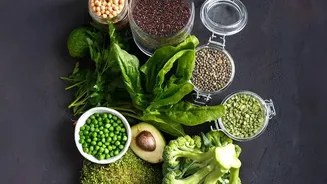
The report underscores the importance of plant-based proteins, a category where India has a rich tradition. Dals, legumes, and chickpeas are celebrated as sustainable and healthy sources of protein. The global dietary recommendations mentioned in reports like the EAT-Lancet Commission suggest a significant daily intake of lentils, beans, and peas. The UN findings encourage a continued focus on these staples. The message isn't just to eat dal, but to embrace a variety of it—from moong and masoor to rajma and chana. This diversity ensures a wider range of amino acids and micronutrients. While the report acknowledges the role of animal-source foods, it positions plant-based proteins as central to a sustainable future diet, a habit that is already deeply ingrained in Indian food culture.
Oils and Fats: A Call for Mindful Choices
The cooking oil in your kitchen also falls under the report's lens. The guidance points towards favouring unsaturated fats and traditional, locally-sourced oils over highly processed varieties that may have a larger environmental footprint. The emphasis is on balance and moderation. For Indian households, this could mean rediscovering cold-pressed mustard oil, groundnut oil, or sesame oil, depending on regional traditions, and using them mindfully alongside other cooking fats. The broader recommendation is to be aware of how oils are produced and to move away from an over-reliance on a single type of refined oil, which often involves extensive industrial processing.
The Fortification Factor: Adding Hidden Value
A key strategy highlighted in global nutrition discussions is food fortification—the process of adding essential micronutrients like iron, iodine, and vitamins to staples. The UN report supports this as a cost-effective way to combat widespread deficiencies, or 'hidden hunger'. In India, this is already happening with iodised salt, and increasingly with rice and wheat flour fortified with iron and folic acid, particularly in government food distribution programs. When you see 'fortified' or '+F' on a package of atta, milk, or oil, it signifies that it contains added nutrients to boost its health value. The report suggests that scaling up these initiatives is crucial for public health, making fortified staples an important consideration during your grocery shopping.