






The Physical Home of the Cloud
Before diving into the numbers, it’s helpful to understand what a data centre is. Far from an abstract 'cloud,' these are massive, hyper-secure industrial buildings packed with tens of thousands of computer servers. They are the engines of the internet,
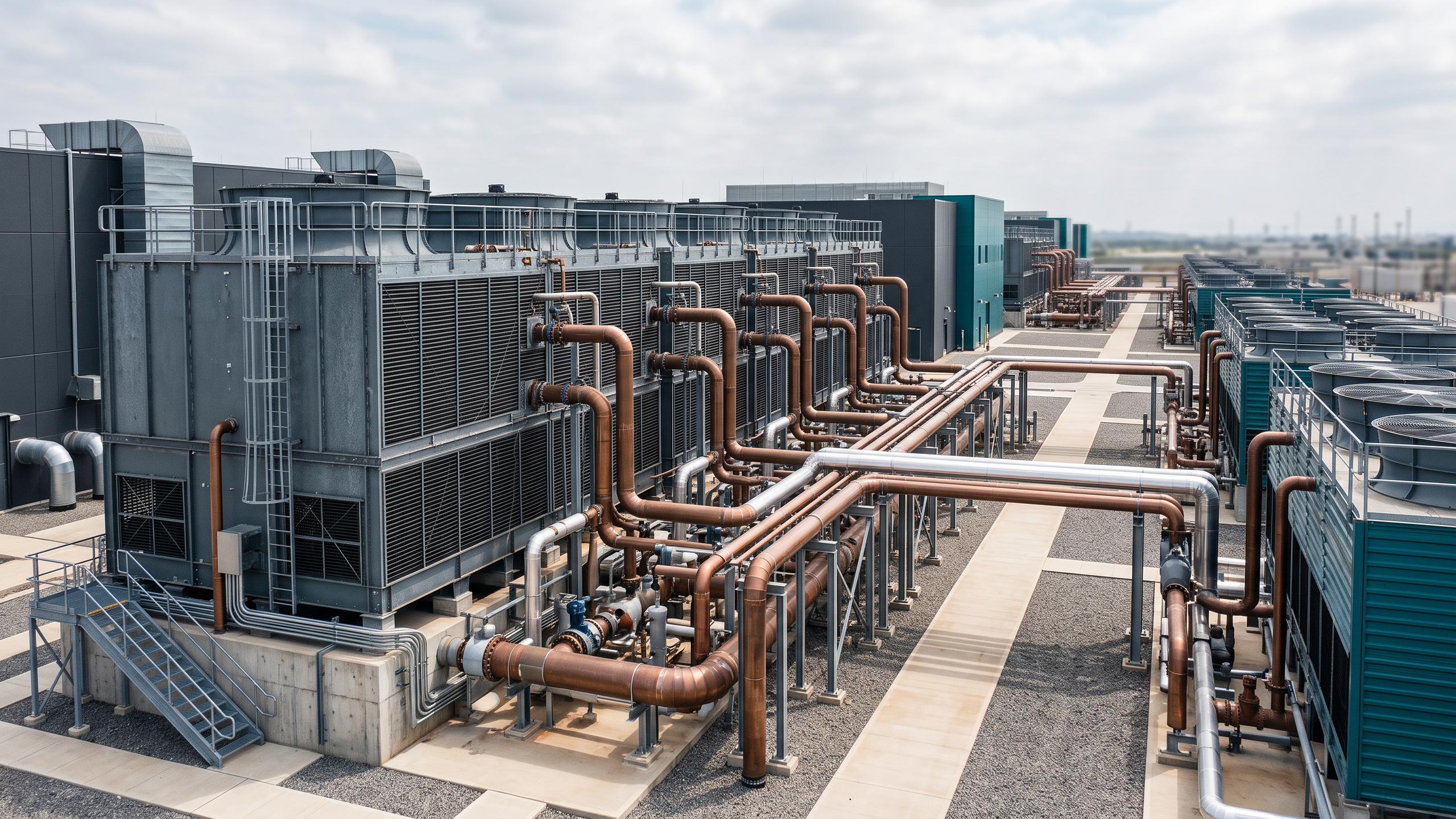
processing and storing the data behind everything from your work emails and family photos to complex artificial intelligence models and streaming services. To function, they require an immense and uninterrupted supply of two key resources: electricity to run the servers and, in many cases, water to keep them from overheating.
A Carbon Footprint the Size of a Country
A study published in 'Nature Sustainability' by Harvard University researchers provides a startling scale of this energy use. The analysis of 403 of the largest 'hyperscale' data centres in the United States found they emitted approximately 25.7 million metric tons of carbon dioxide in the year leading up to April 2025. That carbon footprint is roughly equivalent to the entire annual emissions of Denmark. During that period, these facilities consumed an estimated 82 terawatt-hours of electricity, accounting for nearly 2% of the total U.S. electricity consumption. To put that in perspective, it's enough energy to power roughly 7 million American homes for a year. Researchers noted this is likely a conservative estimate, as the pace of data centre construction has only accelerated since the study period ended.
The AI Boom Is Fuelling the Fire
A primary driver behind this explosive growth is the artificial intelligence boom. Training and running large AI models is an incredibly energy-intensive process. While a simple search query uses a negligible amount of power, the complex computations required for generative AI are orders of magnitude higher. According to the International Energy Agency (IEA), global electricity demand from data centres is projected to double by 2030, with AI expected to account for three-quarters of that growth. This soaring demand has put immense pressure on electricity grids, with some projections showing data centres could account for up to 15% of total U.S. electricity use by the decade's end. This rapid expansion is also a challenge to decarbonization goals, as more than half of the power consumed by the data centres in the Harvard study came from fossil fuels, primarily natural gas and coal.
The Hidden Cost of Water
The environmental impact isn't limited to carbon emissions. Data centres are also incredibly thirsty. Many facilities rely on water-based evaporative cooling systems to prevent servers from overheating. A single large data centre can consume millions of gallons of water per day, comparable to the water usage of a small town. In 2023, U.S. data centres directly consumed an estimated 17 billion gallons of water, a figure that has tripled in less than a decade and is expected to keep climbing. This places a significant strain on local water resources, especially in the arid regions where many data centres are built, creating competition with agriculture and residential needs.
The Race for Greener Data
The technology industry is not blind to the problem. Major players like Google, Microsoft, and Amazon have made ambitious commitments to power their operations with 100% renewable energy. This has made them some of the world's largest corporate buyers of clean power. The industry is also innovating with more efficient cooling technologies, including 'closed-loop' liquid cooling systems that use little to no water. However, the sheer pace of growth often outstrips the availability of clean energy. With grid connection queues lasting years, some developers are turning to natural gas to get new facilities online quickly, threatening to lock in fossil fuel dependence for decades to come. This has led to a growing public and political debate over the unchecked expansion of data centres in communities across the country.