



The Core Defence: Rain Jacket and Pants
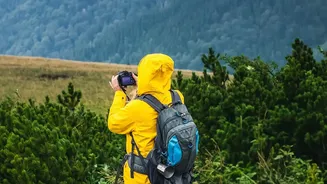
A simple water-resistant jacket won't suffice in the Ghats; you need a truly waterproof layer. Look for jackets and pants with taped or sealed seams, which prevent water from seeping through the stitching. While waterproofing is crucial, breathability
is just as important in India's humid conditions. A jacket that traps sweat will leave you feeling damp and uncomfortable from the inside. Look for gear made from fabrics that balance both, often indicated by technical specifications. A poncho can be a good alternative, as it offers excellent ventilation and can cover you and your backpack. However, a dedicated jacket and pants provide better protection against wind and sideways rain on exposed ridges.
Footwear: Grip is Non-Negotiable
The volcanic basalt rock of the Sahyadris becomes incredibly slippery when wet, making proper footwear your most critical safety item. Look for trekking shoes with deep, aggressive lugs on the outsole for maximum grip on mud and slick rocks. There's a debate between fully waterproof boots and non-waterproof, quick-drying shoes. Waterproof boots are great for keeping your feet dry in light showers or from wet grass, but in the sustained downpours of the Western Ghats, water can run down your legs and get trapped inside, making them slow to dry. For this reason, many experienced trekkers prefer lightweight, synthetic shoes that drain quickly and dry faster. Whichever you choose, avoid cotton socks at all costs, as they hold moisture and can lead to blisters; opt for synthetic or wool-blend socks instead.
Backpack Protection: The Double-Layer Rule
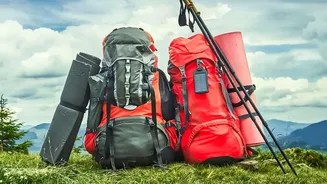
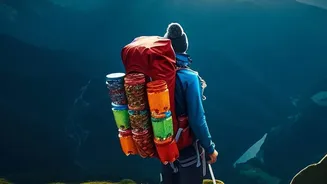
Your backpack contains your dry clothes, electronics, and food—items that must stay dry. Relying on the bag’s material alone is a mistake. The first line of defence is a brightly coloured, well-fitting rain cover. But for complete peace of mind, adopt a double-layer system. Use dry bags or thick plastic bags inside your rucksack to compartmentalise and protect your most essential gear. A dry change of clothes at the end of a wet day can be a massive morale booster, and this internal waterproofing ensures you'll have it.
Leech Protection: Gaiters Are Your Best Friend
Monsoon treks in the Western Ghats often mean encountering leeches. While their bites are typically harmless, they can be unsettling and bleed profusely due to an anticoagulant in their saliva. The most effective physical barrier is a pair of waterproof gaiters. These fabric guards cover the gap between your pants and your boots, preventing leeches from crawling up your leg. Tucking your trousers into your socks is a classic alternative, but gaiters provide more robust protection against not just leeches but also mud and water entering your shoes. Wearing full-length trousers is also highly recommended.
Clothing: The Quick-Dry Philosophy
Cotton is your enemy on a monsoon trek. It absorbs and holds onto water, takes a very long time to dry, and will leave you feeling cold and heavy. Instead, build your wardrobe around quick-drying synthetic fabrics like polyester and nylon. This applies to everything from your t-shirt and trekking pants to your underwear. These materials wick moisture away from your skin and dry out quickly during any break in the rain, preventing chafing and keeping you far more comfortable. Packing an extra pair of dry socks and a spare t-shirt in a waterproof bag is a small step that makes a huge difference.
Safeguarding Electronics
Protecting your phone, camera, and power bank is crucial. Simple solutions are often the most effective. Use waterproof pouches designed for electronics or even just reliable Ziploc-style plastic bags. For added security, you can place these inside a larger dry bag along with your other sensitive items. Remember that high humidity can cause condensation, so it's wise to keep electronics packed away securely unless you are actively using them. Don't let a water-damaged phone turn a beautiful trek into a logistical nightmare.