


The Current Permit Situation Explained
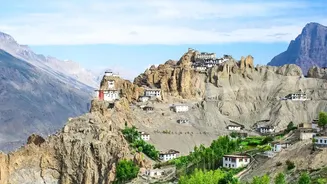
First, let's address the most common question: do you need a permit for Spiti? For the vast majority of domestic travellers, the answer is no. Indian citizens do not require any form of inner line permit (ILP) or special pass to visit the main tourist
areas of Spiti Valley, including Kaza, Tabo, and Key Monastery. A valid government-issued photo ID like an Aadhaar card or driver's license is sufficient for registration at police checkposts along the way. The permit requirement primarily applies to foreign nationals. Travellers holding foreign passports must obtain a Protected Area Permit (PAP) to enter areas beyond Jangi on the Kinnaur side. This long-standing rule is in place due to the region's proximity to the international border. These permits can be obtained from government offices in Shimla, Reckong Peo, or Kaza.
The Real Monsoon Danger: The Journey, Not the Destination
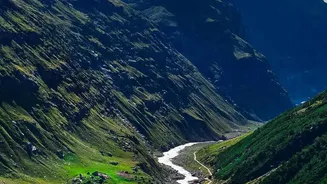
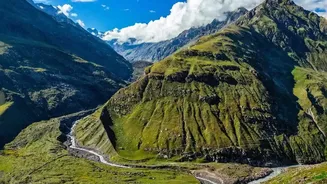
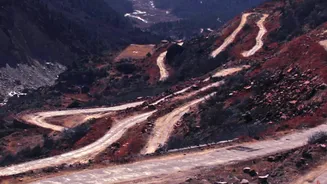
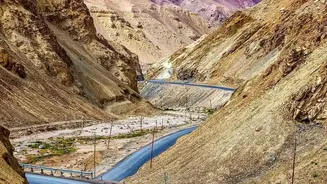
While the headline focuses on safety within Spiti, experienced travellers and authorities point to a different challenge: the journey to get there. Spiti Valley itself is a high-altitude cold desert located in a rain-shadow region, meaning it receives very little rainfall. However, the two main access routes—from Shimla via Kinnaur and from Manali via Kunzum Pass—pass through areas that are heavily affected by the monsoon. These routes are highly susceptible to landslides, flash floods, shooting stones, and overflowing water crossings (nullahs) between July and September. Often, roads can be blocked for hours or even days, making the journey unpredictable and potentially hazardous. The focus of heightened safety measures is therefore less about new permits and more about managing the risks on these arterial roads.
Official Guidelines for Monsoon Travel
In response to recurring monsoon-related incidents, authorities like the Himachal Pradesh Police and State Disaster Management Authority (SDMA) have issued stringent guidelines. These are the 'rules' that have been strengthened. Drivers are strongly advised to avoid travelling at night, when visibility is low and detecting fresh landslides is nearly impossible. Travellers are urged to check daily weather advisories and road status updates from official sources before starting their journey each day. A critical rule is to never attempt to cross a swollen stream or flooded road, regardless of what other vehicles are doing. It is also crucial to avoid stopping vehicles in areas marked as landslide-prone zones or directly beneath steep cliffs. These advisories are not mere suggestions but essential safety protocols designed to prevent accidents.
Choosing Your Route Wisely: Shimla vs. Manali
During the monsoon, the choice of route is a significant safety decision. The route from Shimla via Kinnaur is widely regarded as the safer option. Although longer, it involves a more gradual ascent, which helps with acclimatization and reduces the risk of Acute Mountain Sickness (AMS). The road is generally more stable, though it has its own landslide-prone stretches, particularly around the Malling Nullah. The Manali-Kaza route, while shorter, is considered far more challenging during the monsoon. It involves crossing the high-altitude Kunzum Pass and navigating the treacherous stretch between Gramphu and Batal, which is notorious for its fierce water crossings and slushy conditions. Unless you are an experienced off-road driver or riding with a seasoned local, the Shimla route is the more prudent choice in August.
A Practical Safety Checklist for Your Trip
Preparation is the best safety tool. If you are planning a trip to Spiti during the monsoon, your focus should be on flexibility and self-sufficiency. Always add two to three buffer days to your itinerary to account for potential road blockages and delays. Pack for wet and cold conditions; a waterproof rain jacket, waterproof trousers, and sturdy, non-slip footwear are non-negotiable. Given the possibility of being stranded, carry extra supplies of drinking water, high-energy snacks, and any essential personal medications. Cash is critical, as ATMs are scarce and may not be functional. Finally, hiring an experienced local driver who understands the terrain and its risks is one of the most important safety investments you can make. They have real-time information and the skill to navigate challenging road conditions.