





Rain: Nature's Atmospheric Scrubber
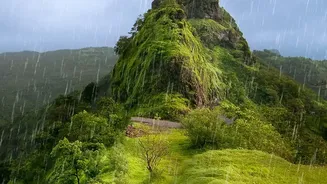
Rain is the most effective natural cleaner of the atmosphere. As raindrops fall, they perform a process called 'wet deposition'. They collide with and capture tiny pollutant particles like dust, soot, and PM2.5, pulling them down to the ground. Gaseous
pollutants can also dissolve into the raindrops. This is why the air often feels so fresh and clear after a good shower—the rain has literally washed the pollution away. During the monsoon season, this happens frequently, keeping pollution levels relatively low despite ongoing emissions. However, this cleaning effect is temporary; once the rain stops, pollutants can quickly re-accumulate.
Wind: The Great Disperser
If rain washes the air, wind sweeps it clean. Wind plays a crucial role by dispersing pollutants, moving them away from their source and diluting their concentration in the air we breathe. On a windy day, emissions from traffic, industry, and other sources are scattered over a larger area, preventing them from building up in one place. Conversely, calm, stagnant days are a recipe for poor air quality. When there's little to no wind, pollutants remain trapped near the ground, leading to a rapid and visible increase in smog and haze. The speed and direction of the wind are therefore critical factors in determining daily air quality.
The Post-Monsoon Problem: Calm Winds and Stagnation
The end of the monsoon marks a significant shift in weather patterns that is detrimental to air quality. The withdrawal of the monsoon system often leads to a period of lower wind speeds across northern India. The dynamic, moisture-laden winds of the monsoon are replaced by drier, slower, and more stagnant air masses. This change severely hampers the atmosphere's ability to disperse pollutants. As a result, the pollution generated by cities begins to hang in the air instead of being blown away, setting the stage for the accumulation that defines the winter pollution season.
Temperature Inversion: Putting a Lid on Pollution
Adding to the problem of calm winds is a phenomenon called temperature inversion, which becomes more common in the cooler post-monsoon and winter months. Normally, air is warmer near the ground and gets cooler with altitude, allowing warm, polluted air to rise and disperse. During an inversion, this flips: a layer of warm air settles above a layer of cooler air near the surface. This warm layer acts like a lid, trapping the cold, dense, and now pollutant-filled air below it. The unique geography of the Indo-Gangetic plains, flanked by the Himalayas, can further enhance this trapping effect, creating a vast 'bowl' of smog.
The Human Factor: Adding Fuel to the Fire
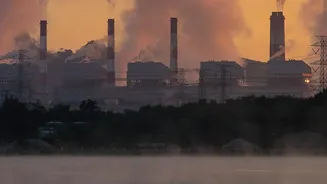
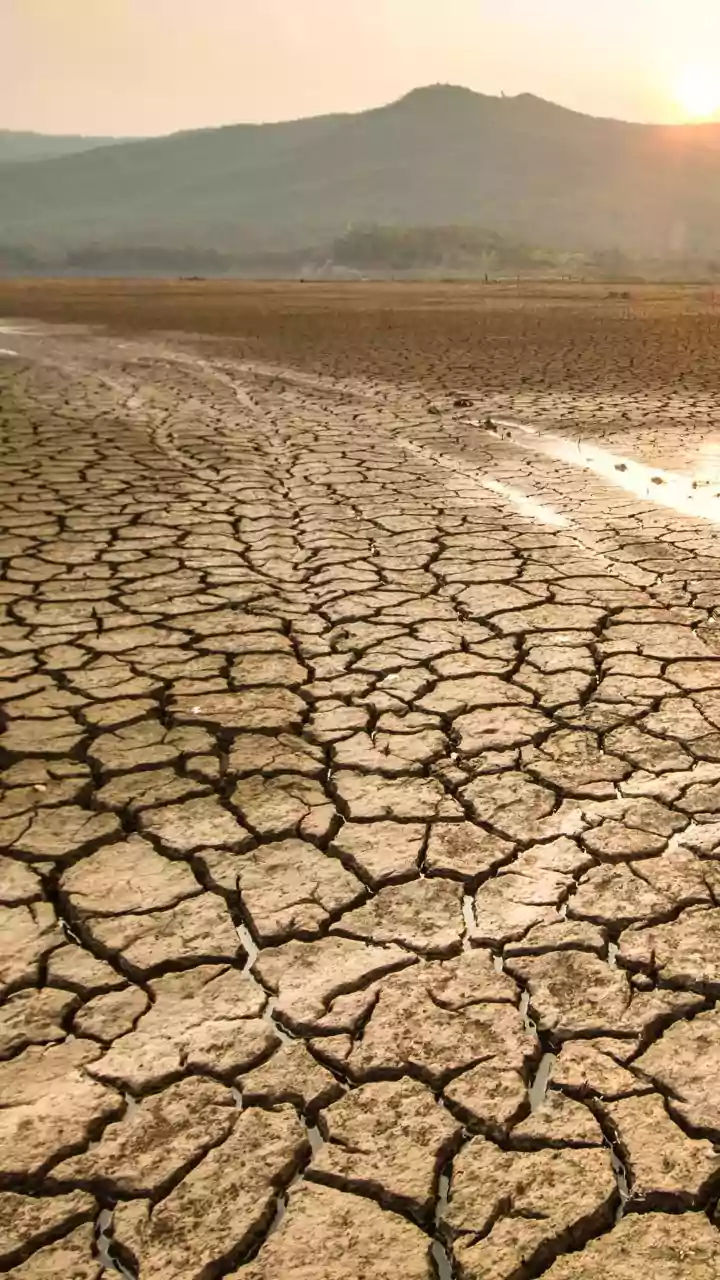
These meteorological conditions—no rain, slow winds, and temperature inversions—create a perfect storm when combined with the annual surge in man-made pollution sources. The post-monsoon season coincides with large-scale stubble burning in agricultural states like Punjab and Haryana, sending enormous plumes of smoke into the atmosphere. This is often compounded by emissions from Diwali fireworks and increased local pollution from traffic and industry. Without the cleansing effect of rain and the dispersing power of strong winds, this massive injection of pollutants has nowhere to go, leading to the hazardous air quality levels that have become an annual crisis for millions.