



For many travellers, the Himalayas are a visual feast. But for those venturing to Kumaon for the first time, a deeper connection awaits beyond the viewpoints and tourist towns by choosing to stay in a village. Here’s why it changes everything.
Beyond the Hill Station Hotspots
The Kumaon
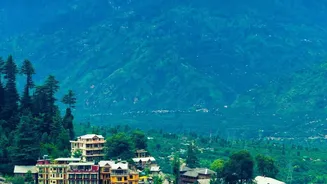
region of Uttarakhand, home to popular destinations like Nainital and Almora, possesses a quiet, resilient soul far from the crowded market roads. While these towns offer spectacular scenery, the true cultural heartbeat of the region is found in its villages. For a first-time visitor, the choice between a conventional hotel and a village homestay is the choice between observing Kumaon and actually experiencing it. Community-based tourism initiatives, many led by local women, have opened up these hamlets to travellers, offering a sustainable and intimate alternative. This model ensures that tourism revenue directly supports the local economy and helps preserve the traditional way of life, offering a travel experience that is both responsible and deeply rewarding.
The Heart of the Homestay
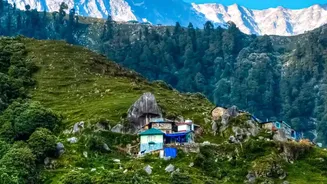
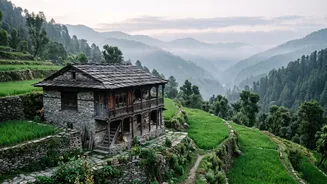
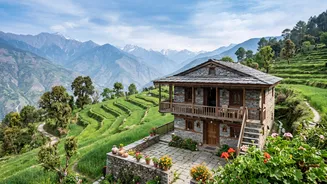
A Kumaoni village stay is not a sterile, transactional hotel experience. It’s an invitation into a home. Guests often stay in traditional stone and wood houses, sometimes updated with modern comforts but always retaining their architectural character. The experience is built around the famed local hospitality, where visitors are treated as personal guests. Waking up to the sounds of village life, sharing stories with the host family over a cup of chai, and learning about the daily rhythms of mountain living offers an unparalleled level of immersion. This genuine interaction fosters a mutual respect and understanding that a hotel simply cannot replicate.
A Taste of Authentic Kumaon
Perhaps the most delicious entry point into Kumaoni culture is through its food. Homestays provide a front-row seat to a culinary tradition shaped by the mountains themselves. Unlike generic restaurant fare, home-cooked Kumaoni meals are simple, nutritious, and intensely flavourful, using locally grown ingredients. First-timers can expect to taste staples like 'Bhatt ki Churkani', a hearty black soybean curry, and 'Madua ki Roti', a flatbread made from finger millet. Another must-try is 'Aloo ke Gutke', a simple yet flavourful potato dish, often paired with the nutty and tangy 'Bhang ki Chutney', which is made from hemp seeds and contains no psychoactive properties. Eating what the family eats connects you to the land and its seasonal cycles in a profound way.
Living the Local Rhythm
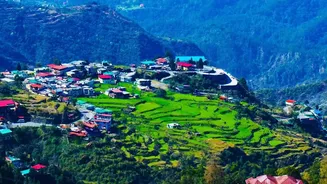
Cultural depth comes from participation, not just observation. Village stays allow visitors to slow down and sync with the local pace of life. Days can be spent on guided walks through terraced fields and pine forests, visiting ancient village temples, or even trying a hand at farm activities. The guides are not just professionals; they are villagers who know every trail, story, and shortcut. This gentle immersion might involve learning about local art forms like Aipan painting, listening to folk tales passed down through generations, or simply understanding the challenges and joys of mountain life from those who live it every day. It's an education that no travel guide can provide.
Fostering Genuine Connection
Ultimately, the richness of a village stay lies in the human connection. These experiences are designed to be a two-way exchange. As a visitor, you bring a different perspective and, in turn, you gain an intimate understanding of a culture rooted in community, resilience, and a deep respect for nature. Many homestay initiatives, such as those in villages like Sarmoli and Sunkiya, are run by local collectives and women’s groups. Choosing to stay with them means you are not just a tourist, but a temporary part of a community. You leave not just with photographs of mountains, but with memories of people and a tangible connection to the place itself.