






A Conscious Indulgence
The move towards vegan desserts is more than just a passing food trend; it’s a reflection of a deeper shift in urban Indian values. For a growing number of consumers, the decision is driven by a blend of health consciousness, environmental ethics, and
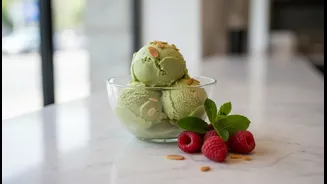
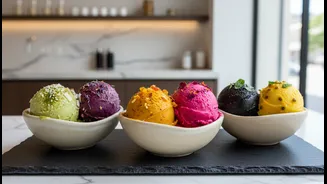
a concern for animal welfare. In a country where a majority of the population already leans towards plant-forward diets, extending this philosophy to the dessert counter feels like a natural evolution. This conscious choice is not about deprivation. Instead, it’s about seeking indulgence that aligns with personal values. Patrons are no longer just asking if a dessert is delicious, but also about its origins and impact, creating a demand for sweets that are both decadent and ethically produced.
The Culinary Innovators
A new generation of pastry chefs and artisanal brands is rising to the occasion, particularly in cities like Mumbai, Delhi, and Bengaluru. These culinary pioneers are challenging the very definition of patisserie. Mumbai's Naimita Jagasia, founder of 'An Ode to Gaia,' is credited with launching one of India's first luxury plant-based patisseries, proving that French classics can be reimagined without animal products. Similarly, chefs like Pooja Masurkar are pushing boundaries with innovative recipes and even running online vegan baking schools to spread the knowledge. Brands like 'The Better Binge' in Mumbai and 'Crave By Leena' in Bengaluru are making gourmet vegan cakes, doughnuts, and cheesecakes more accessible, proving that plant-based can be synonymous with luxury.
The Art of the Swap
Creating a perfect vegan dessert is a masterclass in food science. The real challenge lies in replicating the specific chemical properties of dairy and eggs that give traditional desserts their beloved texture and richness. How do you get the airy lightness of a mousse or the creamy density of a cheesecake without cream cheese or egg whites? The answer lies in creative ingredient sourcing. Chefs are using cashew and almond milk for creaminess, coconut cream for richness, and aquafaba (the brine from chickpeas) as a remarkable substitute for egg whites in meringues and macarons. The goal isn't to create a pale imitation, but an exceptional dessert that stands on its own. These innovators are proving that with the right technique, plant-based ingredients can deliver a sensory experience that is just as satisfying.
Even Mithai Gets a Makeover
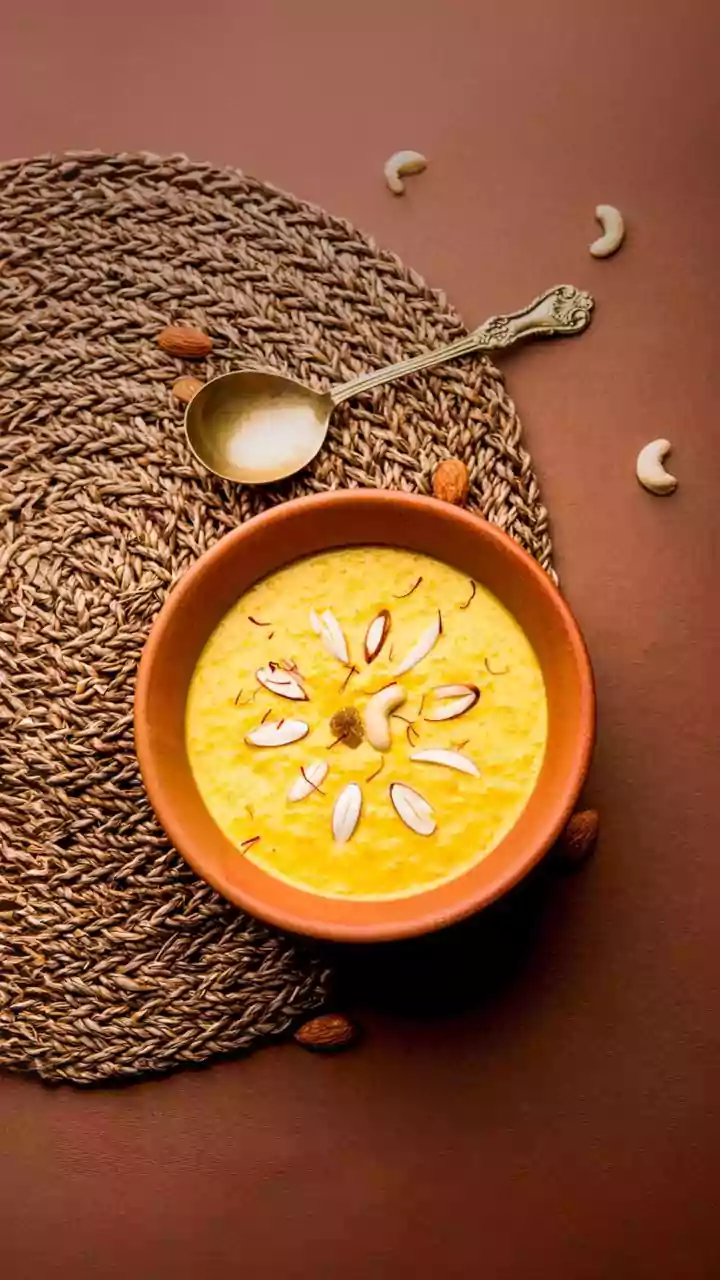
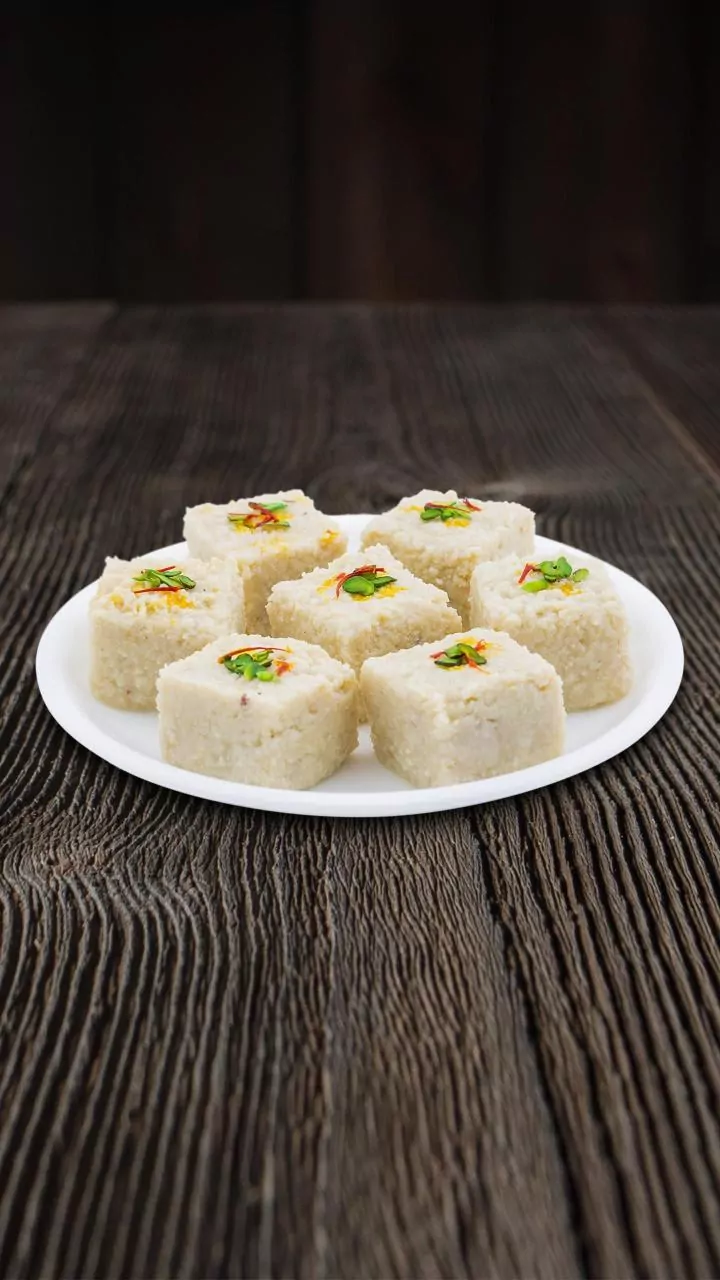
Perhaps the most significant sign of this trend's staying power is its entry into the world of traditional Indian mithai, a domain heavily reliant on ghee, khoya, and milk. Sweet shops and online vendors are now offering vegan versions of cherished classics. Coimbatore's Vijay Sweets, a family business with decades of history, has completely veganised its operations, shipping plant-based Mysore Pak and Kaju Katli across the country. Brands like Meethi Kahani are crafting everything from vegan Besan Laddoos to Gulab Jamuns made with plant-based ingredients instead of mawa. This adaptation demonstrates that the movement is not just about adopting Western trends, but about reinterpreting India's own rich culinary heritage for a new, conscious generation of sweet lovers.