



The Hornbill Festival is a vibrant celebration of Naga culture, but the magic of Nagaland extends far beyond the festival grounds. Once you’ve soaked in the festivities, take the opportunity to explore the history, nature, and culture of the region.
Kohima War Cemetery
A
visit to Kohima is incomplete without paying respects at this immaculately maintained cemetery. It stands as a solemn tribute to the Allied soldiers who lost their lives during the pivotal Battle of Kohima in World War II. This battle was a crucial turning point, halting the Japanese advance into India. The cemetery is set on Garrison Hill, the very ground where some of the fiercest fighting took place, including around what was once the Deputy Commissioner's tennis court. The site holds the graves of over 1,420 Commonwealth servicemen and features a memorial for more than 900 Hindu and Sikh soldiers who were cremated according to their faith. The famous epitaph, 'When you go home, tell them of us and say for your tomorrow, we gave our today', lends a deeply moving atmosphere to this historic landmark. Its tranquil gardens offer a space for quiet reflection amidst the city's bustle.
Khonoma Green Village
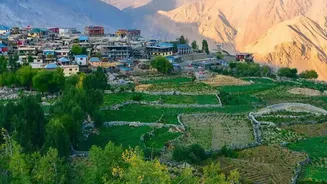
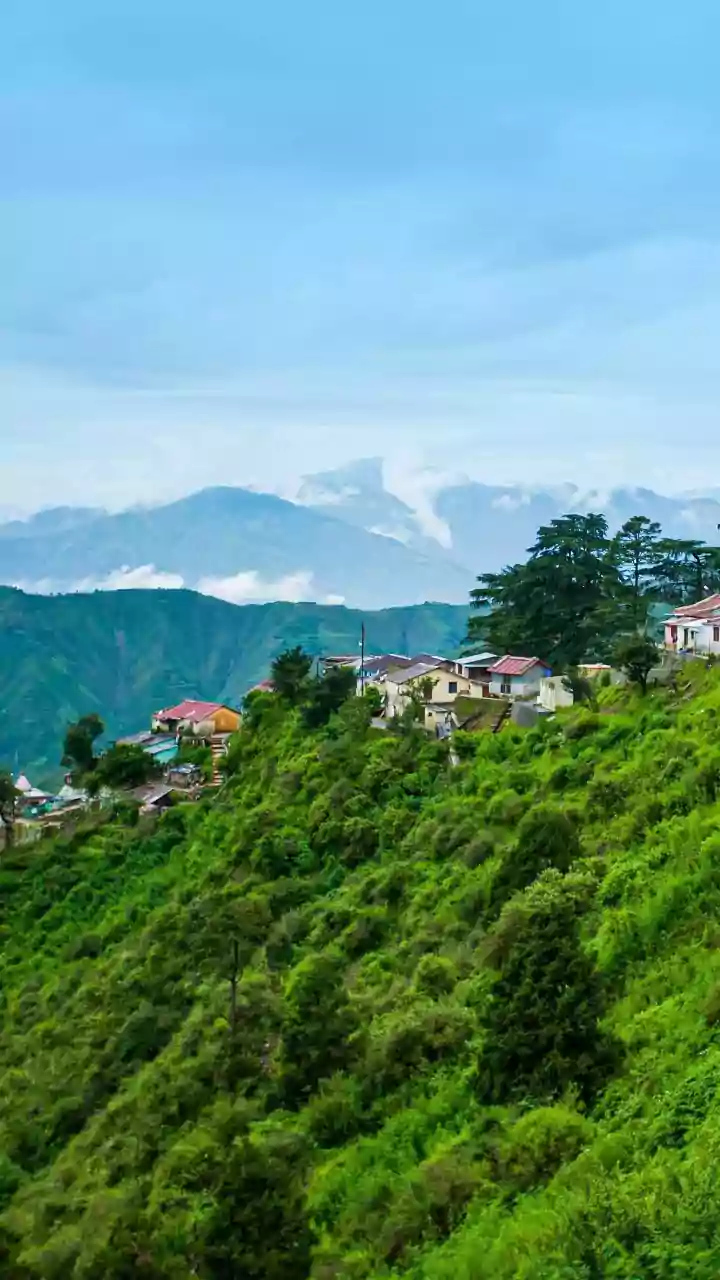
Just 20 kilometres from Kohima lies Khonoma, often celebrated as India's first 'green village'. This Angami Naga village is not only historically significant for its fierce resistance against the British but is now renowned for its successful community-led conservation efforts. In 1998, the villagers established the Khonoma Nature Conservation and Tragopan Sanctuary (KNCTS) to protect the endangered Blyth's Tragopan. A guided walk through Khonoma reveals its unique character: stone-paved lanes, ancient forts, and intricately terraced paddy fields carved into the hillsides. These fields showcase a sophisticated agroforestry system using alder trees, which has sustained the community for centuries. Exploring the village offers a profound insight into a way of life where culture and ecology are deeply intertwined.
Dzukou Valley
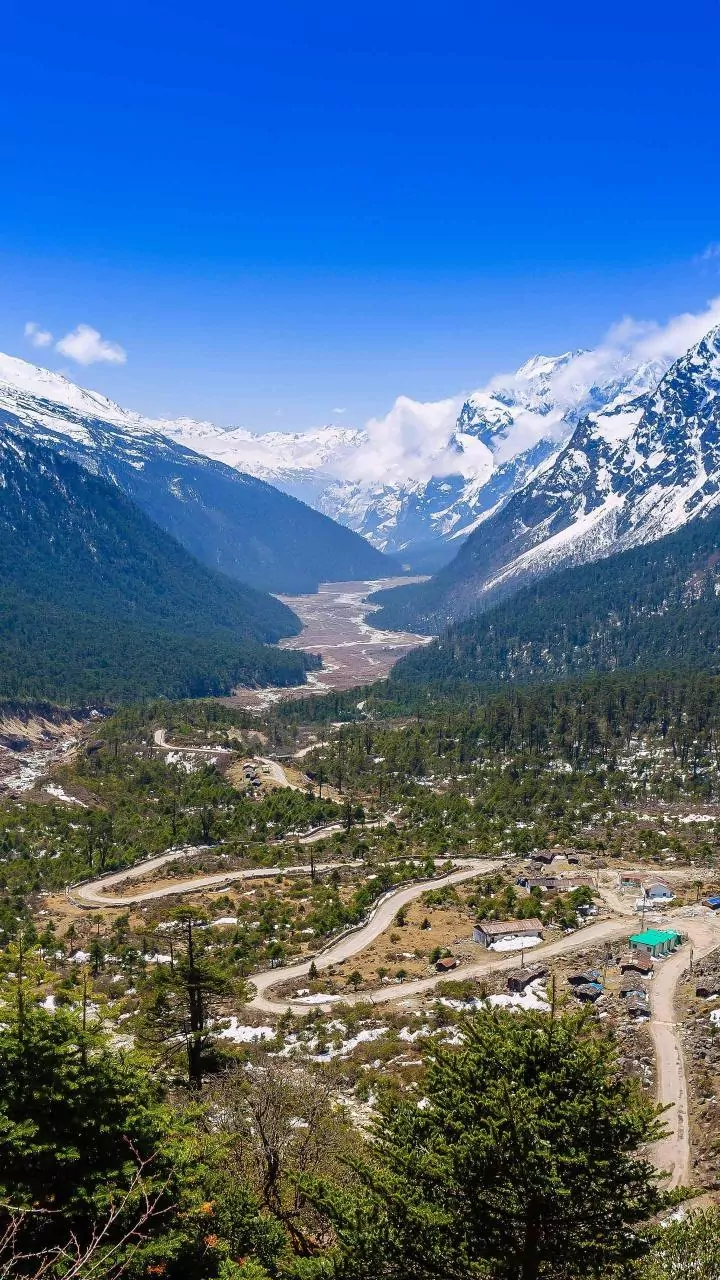
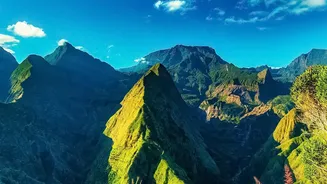
For trekkers and nature lovers, the Dzukou Valley is an unmissable destination. Located on the border of Nagaland and Manipur at an altitude of over 2,400 metres, this valley is famous for its mesmerising, undulating green hills, which resemble a vast, rolling carpet. The trek to the valley is an adventure in itself, with popular routes starting from the villages of Viswema and Jakhama, both a short drive from Kohima. The Viswema route is generally considered gentler. While the main attraction is the stunning landscape of dwarf bamboo, the valley is also known for its seasonal flowers, including the rare Dzukou Lily, which blooms during the monsoon. A trip in the post-monsoon or winter months offers clear skies and crisp views, making it a perfect extension to a December Hornbill visit.
Japfu Peak
For those seeking a more challenging trek, Japfu Peak, Nagaland's second-highest peak at 3,048 metres, awaits. Situated about 15 km south of Kohima, the trek offers breathtaking panoramic views of the surrounding region, including a stunning perspective of the Dzukou Valley. The trail, which starts from near Kigwema village, takes you through dense forests filled with rhododendron trees. In fact, the Japfu range holds the Guinness World Record for the tallest rhododendron tree. The trek is considered moderate to difficult and is best attempted between October and April when the weather is favourable. Reaching the summit for sunrise is a particularly rewarding experience, offering a spectacular vista that can stretch across half of Nagaland on a clear day.
Touphema Tourist Village
To immerse yourself fully in Naga culture, a stay at Touphema Tourist Village is highly recommended. Located about 41 km from Kohima, this village is a community-run initiative designed to give visitors an authentic experience of Angami Naga life. Accommodation is provided in traditional thatched huts, which, while rustic in appearance, are equipped with modern comforts. Staying here offers a unique opportunity to learn about the Naga social system, witness folk dances and music around a bonfire, and taste traditional cuisine served in a community kitchen. The village also has a museum with an extensive collection of artefacts, including wood carvings, musical instruments, and textiles. It’s a perfect way to experience Naga hospitality firsthand.
Kisama Heritage Village
While this is the main venue of the Hornbill Festival, it deserves to be explored in its own right, perhaps on a weekday morning before the largest crowds arrive. Kisama is not an ancient village but a thoughtfully designed space that replicates the architecture and atmosphere of a traditional Naga settlement. Each of any major Naga tribes is represented by a 'morung' or communal house, exquisitely decorated with tribal motifs and carvings. You can wander between these structures, gaining a deeper appreciation for any distinct cultural identity of each tribe. The complex also houses a World War II museum, which adds another layer of historical context to your visit. Taking any time to explore Kisama beyond any main stage performances allows for any richer and more nuanced understanding of Nagaland’s diverse heritage.