



Recognise the Danger Signs
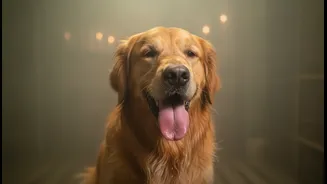
Knowing the early signs of overheating is critical for swift action. Unlike humans, dogs and cats can't sweat efficiently to cool down. Their primary method is panting, which becomes less effective in high humidity. Watch for excessive or heavy panting, unusually
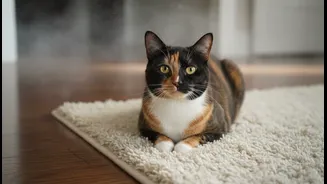
heavy drooling, and restlessness. Other key indicators include bright red gums or tongue, weakness, stumbling, or lethargy. In cats, the signs can be more subtle, like grooming excessively or panting with an open mouth, which is always a serious signal. Vomiting or diarrhoea are also clear signs of distress.
Hydration is Everything
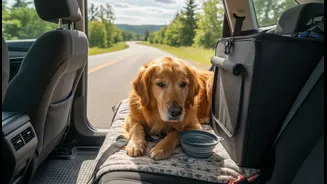
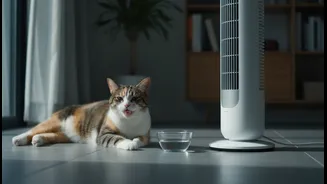
Dehydration drastically increases the risk of heatstroke. Ensure your pet has constant access to fresh, clean, and cool water. Placing multiple water bowls around the house can encourage them to drink more often. On particularly hot days, add a few ice cubes to their water bowl to keep it cooler for longer. Many pets, especially cats, are drawn to running water, so a pet water fountain can also be a great way to increase their intake. You can also supplement their hydration by offering water-rich foods like cucumber or watermelon (without seeds) in small quantities, or by soaking their kibble in water.
Create a Cooling Zone
Designate a specific cool-down area in your home. This can be a room with tiled or marble flooring, which stays naturally cooler. Keep curtains and blinds drawn during the hottest parts of the day to block sunlight and reduce indoor temperatures. A fan can help with air circulation, but avoid pointing it directly at your pet if they seem uncomfortable. Cooling mats containing a pressure-activated gel are a fantastic investment for Indian summers, as they absorb body heat and don't require electricity. Place one in your pet's favourite resting spot. A simple, no-cost alternative is a damp towel spread on the floor for them to lie on.
Smart Grooming, Not Shaving
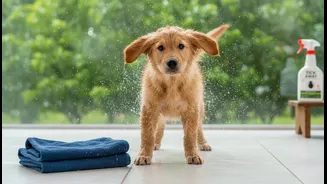
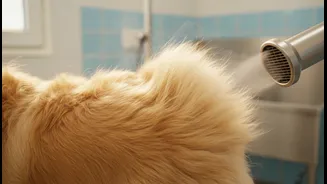
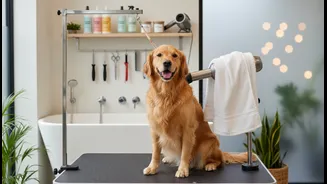
It's a common myth that shaving a double-coated dog—like a Labrador, Golden Retriever, or German Shepherd—will keep them cooler. In reality, their double coat acts as insulation, protecting them from heat and sunburn. Shaving can interfere with their natural cooling system. Instead, focus on regular brushing to remove loose undercoat fur, which improves air circulation and prevents matting that traps heat. More frequent baths with cool water may be necessary in summer to manage sweat and dust, but don't overdo it, as it can strip natural skin oils.
Time Your Walks Wisely
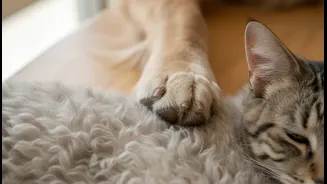
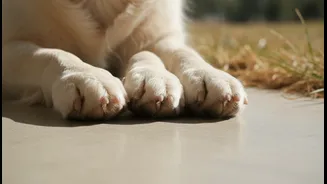
Pavements and roads in India can become dangerously hot, capable of burning your pet's paw pads. A simple rule is the five-second test: if you can't comfortably hold the back of your hand on the surface for five seconds, it's too hot for your pet to walk on. Adjust your walk schedule to the coolest parts of the day—early morning before 8 AM and late evening after 8 PM. During extreme heatwaves, it's safer to skip the walk entirely and opt for indoor play sessions to provide exercise and mental stimulation.
Make Cooling DIY Treats
Frozen treats are a great way to help your pet cool down from the inside while also providing enrichment. You can freeze pet-safe ingredients in an ice cube tray or a toy like a Kong. Simple ideas include freezing low-sodium chicken or mutton broth, plain yogurt, or pureed fruits like banana. For a simple treat, you can freeze kibble or treats in a mixture of water and chicken stock in a bowl. Always ensure the ingredients are non-toxic for your specific pet.
Emergency First Aid
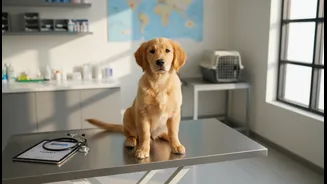
If you suspect your pet has heatstroke, you must act immediately. Move them to a cool, shaded, or air-conditioned area right away. Use cool—not ice-cold—water to wet their fur, focusing on the neck, stomach, armpits, and paws. Using water that is too cold can constrict blood vessels and hinder the cooling process. A fan directed at their wet fur will help cool them through evaporation. Do not force them to drink, but offer small sips of cool water. These are first-aid measures only. It is crucial to contact your veterinarian immediately, as heatstroke can cause severe internal organ damage that may not be immediately obvious.