


An Art Woven into History
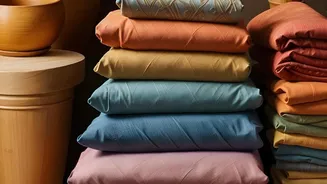
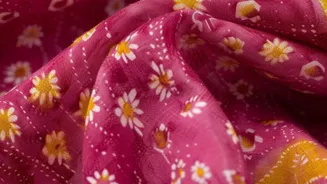
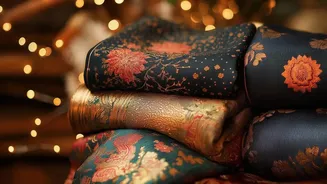
Batik is far more than just a patterned fabric; it is a meticulous art of wax-resist dyeing that has been practiced for centuries across Asia and other parts of the world. Its name comes from the Javanese word ‘ambatik’, meaning ‘a cloth with little dots’.
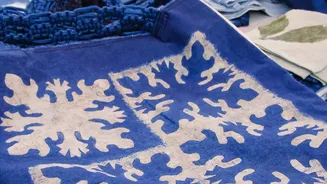
Artisans use a pen-like tool called a ‘canting’ to draw intricate designs onto cloth with hot wax. The fabric is then dyed, and the wax resists the colour, leaving behind the intended pattern after it's removed. This process can be repeated multiple times to create complex, multi-coloured designs. In 2009, UNESCO recognized Indonesian Batik as an Intangible Cultural Heritage of Humanity, cementing its status as a living tradition steeped in symbolism and cultural identity.
From Garments to Grand Interiors
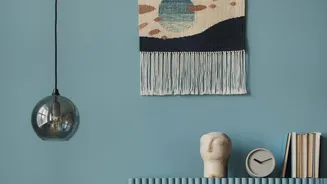
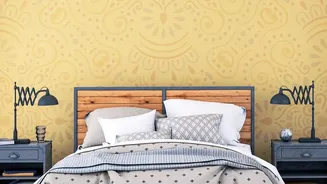
For generations, Batik was primarily associated with clothing, from ceremonial garments to everyday wear. Its patterns often signified social status, regional identity, or were used in important life rituals. However, contemporary designers are now looking beyond the wardrobe, recognising the potential of these expressive prints within the home. The art form is increasingly being used in home décor, appearing on everything from curtains and accent pillows to framed wall art. This shift is part of a broader movement in design that seeks to blend heritage crafts with modern aesthetics, creating spaces that feel both current and rich with history.
The Fusion of Form and Fabric
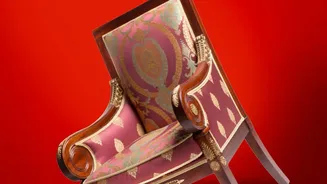
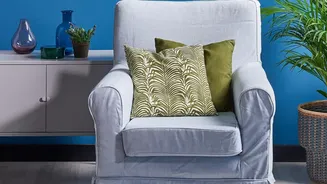
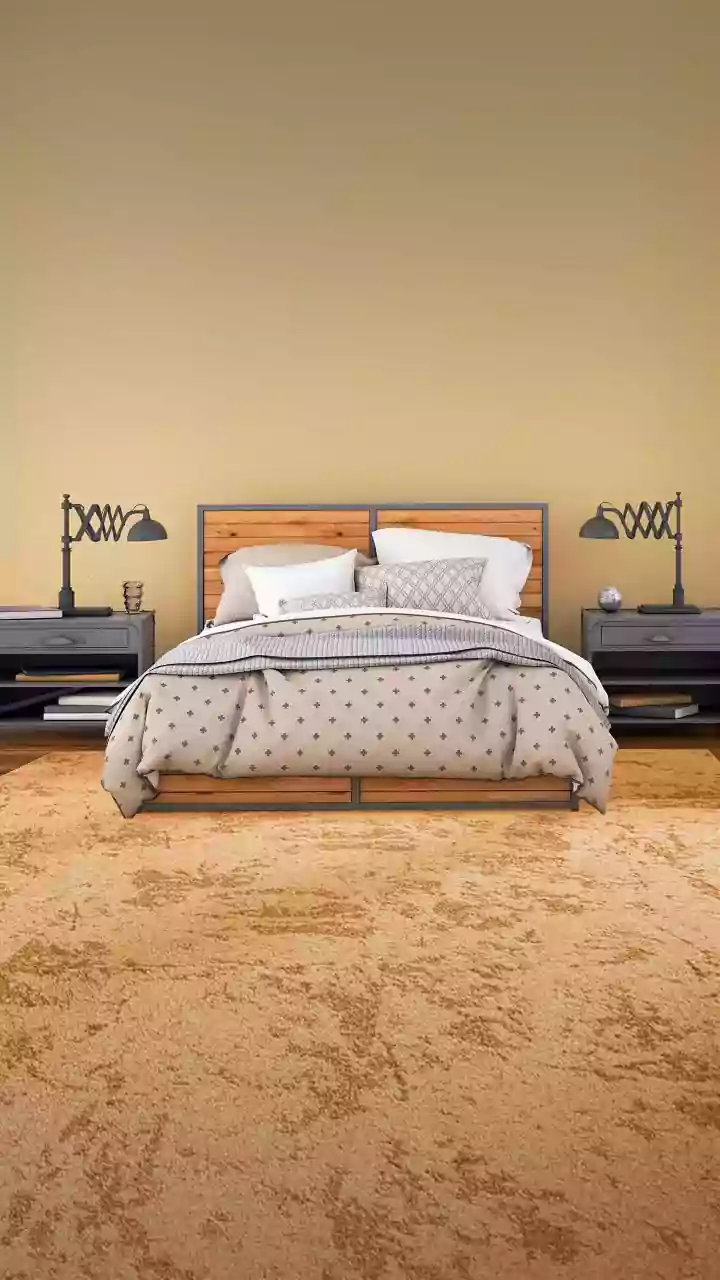
The magic happens when the organic, flowing patterns of Batik meet the structured, often minimalist, shapes of contemporary furniture. A sleek, clean-lined sofa gains warmth and personality when upholstered in a fabric featuring a classic Batik motif. The key to this successful merger lies in balance. Designers often use a single statement piece—like an armchair, an ottoman, or a headboard—to anchor a room, allowing the intricate fabric to shine without overwhelming the space. By pairing a bold, traditional pattern with a simple furniture silhouette, the result is a piece that feels both artistic and functional, a true conversation starter.
A Modern Interpretation of Pattern
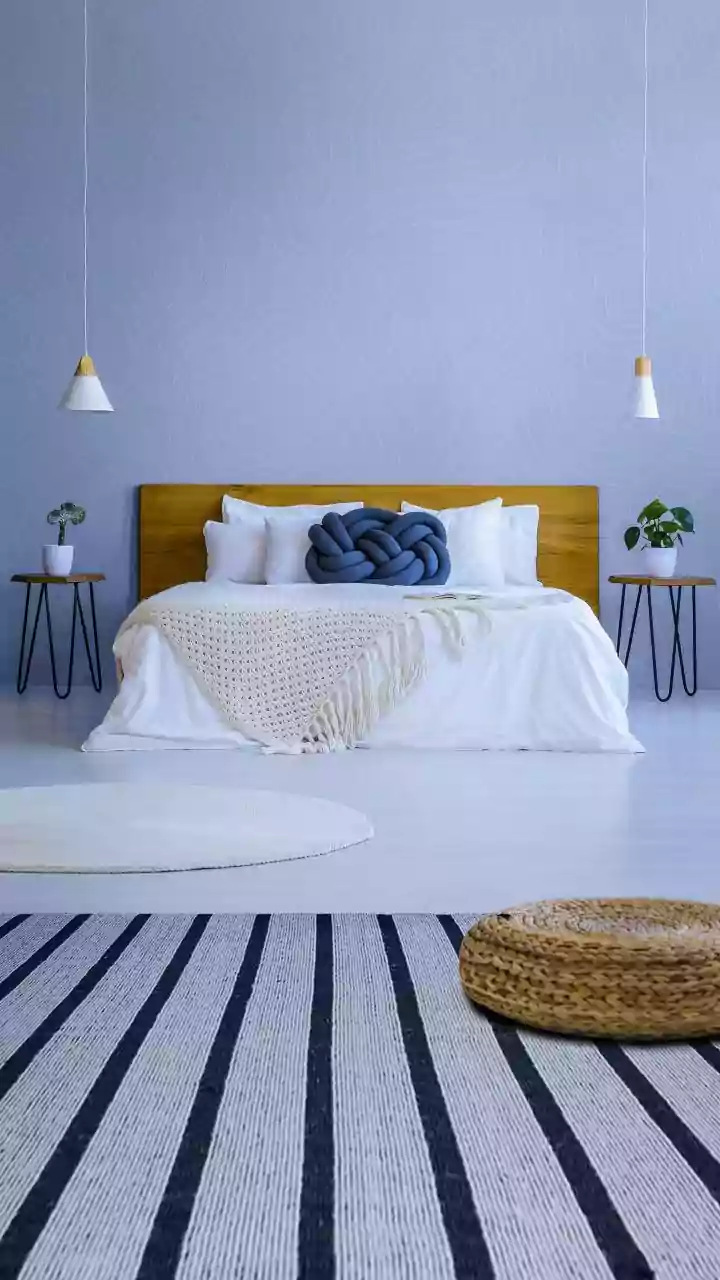
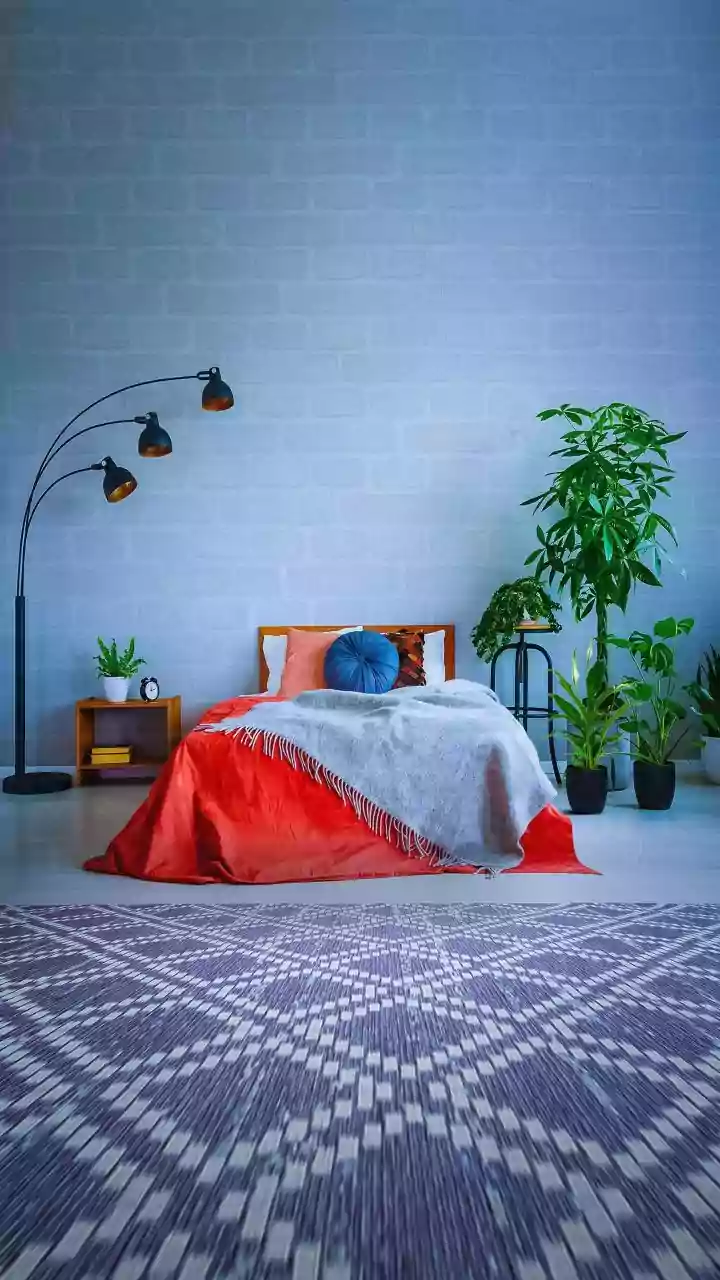
This trend isn’t simply about placing old patterns on new forms. Designers and artisans are actively reinterpreting Batik for a modern audience. This can involve playing with scale, blowing up a traditional motif for a more dramatic, graphic effect. Other times, it involves a fresh colour palette, trading traditional earthy tones for monochromatic schemes or bright, unexpected hues that complement a modern interior. Some artists are even creating contemporary, abstract designs using the age-old wax-resist technique, pushing the boundaries of what Batik can be. This evolution ensures the craft remains relevant and exciting for today's design-savvy homeowners.
Bringing the Look Home
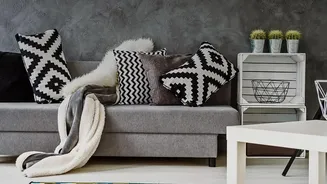
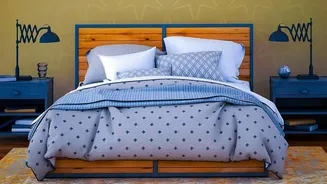
Incorporating this trend doesn't require a complete overhaul of your decor. You can start small to introduce the warmth and artistry of Batik into your own space. Consider adding a few throw pillows with distinct Batik prints to your sofa or bed. A fabric-panelled screen can act as a beautiful and functional room divider. Even a simple table runner or a single upholstered dining chair can provide that perfect touch of handcrafted elegance. By doing so, you not only elevate your interior but also support a timeless craft and the artisans who keep its stories alive.