






The Himalayan Challenge: Landslides and Closed Roads
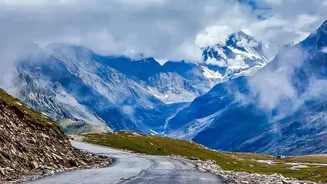
The mountains of Himachal Pradesh, Uttarakhand, and Sikkim are stunning during the monsoon but also exceptionally hazardous. The primary danger here is not just the rain itself, but what it does to the fragile slopes. Intense spells of rain can saturate
the soil, leading to devastating landslides and flash floods that can wash away roads and cut off entire valleys. Key national highways, such as those leading to Manali, Shimla, and along the Char Dham routes, are frequently blocked by debris, sometimes for days. Cloudbursts—short, extremely heavy downpours in a small area—are a major trigger for these events. Authorities often advise tourists to avoid non-essential travel to high-risk zones, especially during July and August, when the danger is at its peak. If travel is unavoidable, it’s crucial to stick to daylight hours, check local road advisories constantly, and have a local driver who understands the terrain.
Urban Nightmares: Flooding, Gridlock, and Disease
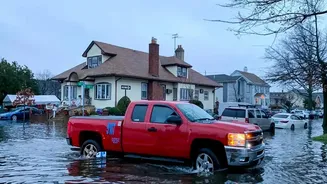
In India's sprawling metropolises like Mumbai, Delhi, and Bengaluru, the monsoon brings a different set of problems. The main risk is urban flooding, where overwhelmed and often-clogged drainage systems fail to cope with intense rainfall. Unplanned urbanization, which has replaced permeable soil with concrete, worsens the situation, causing streets and underpasses to turn into canals within hours. This leads to severe traffic gridlock, stalled vehicles, and widespread disruption to daily life. Beyond the inconvenience, these floodwaters are often contaminated with sewage, creating a significant health hazard and increasing the risk of water-borne diseases like cholera and dengue. Major cities regularly issue alerts for waterlogging in low-lying areas, and residents are often advised to work from home during periods of very heavy rain to avoid getting stranded.
Coastal Concerns: Rough Seas and High Tides
India's extensive coastline, from Goa and Kerala on the west coast to Odisha and West Bengal on the east, presents another unique risk profile. During the monsoon, the seas become extremely rough, with strong currents and high waves making swimming and water sports dangerous. Beach shacks and many resorts in places like Goa often close down for the season. In addition to rough seas, coastal areas are vulnerable to storm surges, especially when a low-pressure system or cyclone forms offshore. These surges can cause significant coastal flooding, which is further exacerbated by high tides. While the lush greenery is a major draw, outdoor activities can be severely limited, and travellers must pay close attention to local warnings about venturing near the water.
Essential Safety Tips for Monsoon Travel
Regardless of your destination, a few universal precautions can make your monsoon travels safer. Always check the latest weather forecasts from reliable sources like the India Meteorological Department (IMD) before and during your trip. Pack smart: include quick-drying clothes, waterproof footwear, a raincoat, and waterproof bags to protect your electronics and important documents. Be cautious about food and water; stick to bottled or purified water and freshly cooked meals to avoid illness. If you are driving, ensure your vehicle's tyres, brakes, and wipers are in excellent condition. Drive slowly, maintain a safe distance from the vehicle ahead, and never attempt to cross a flooded road or bridge. Finally, build buffer days into your itinerary. Delays due to weather are common, and having a flexible schedule can prevent a lot of stress.