


The Great Himalayan Gridlock
For decades, places like Shimla, Manali, and Mussoorie were the default escape from scorching city heat. Today, that dream often involves bumper-to-bumper traffic, overflowing hotels, and jam-packed market squares. Recent reports from the 2026 summer
season highlight a familiar crisis: viral videos of cars stranded for hours, fragile infrastructure buckling under pressure, and a general sense of urban chaos simply transplanted to a higher altitude. Tourists complain that the peace they seek is lost in the crowds, making the getaway feel like just another city. This phenomenon of 'overtourism' is causing severe strain on water resources, waste management, and the very tranquility that made these destinations famous.
The Allure of the Undiscovered
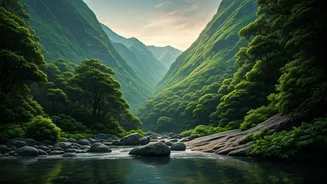
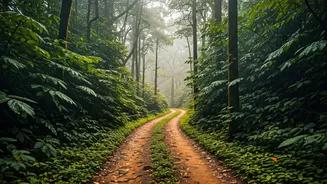
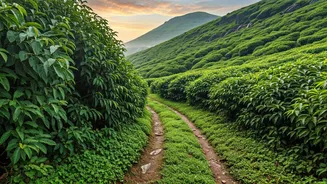
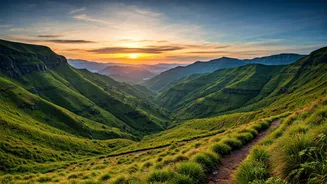
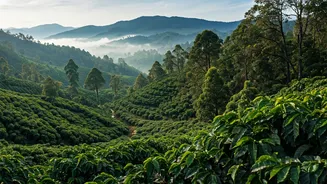
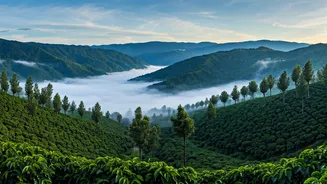
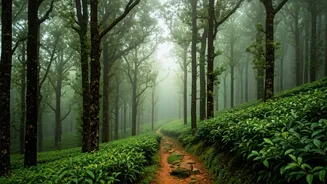
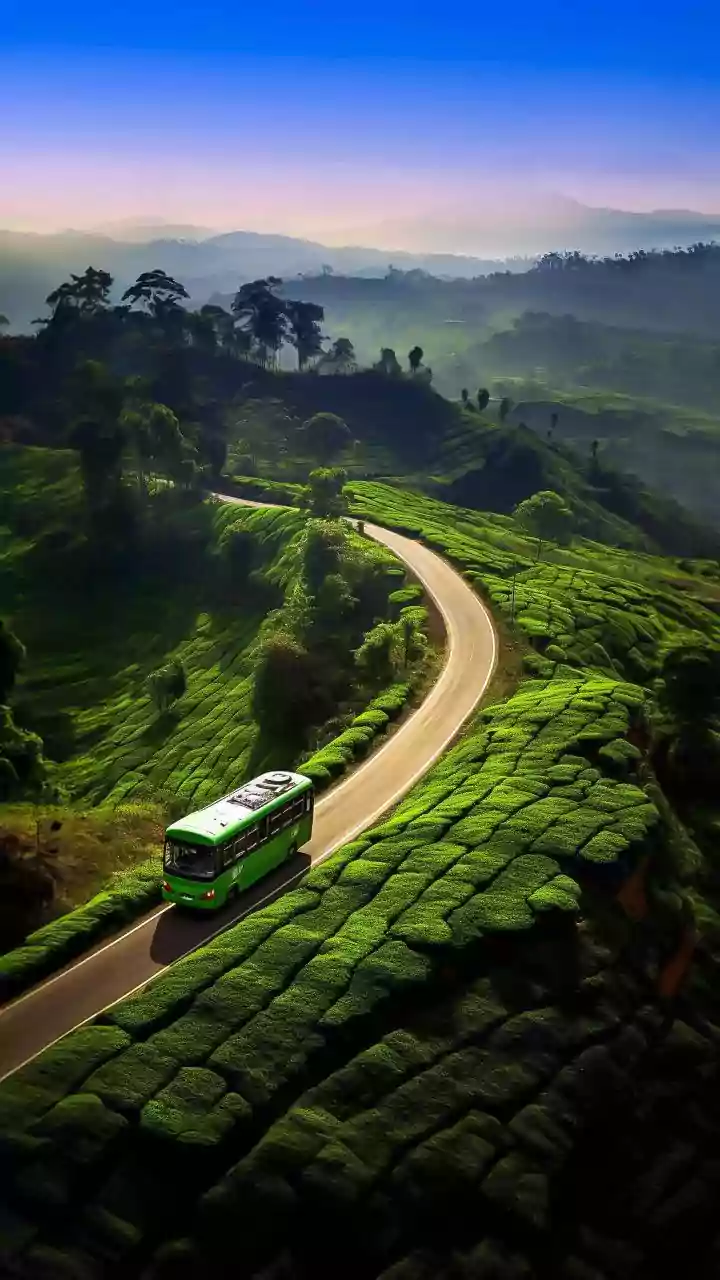
In contrast, the Western Ghats—a 1,600-kilometre-long UNESCO World Heritage site stretching across six states—offer a sense of exploration. Destinations like Coorg, Wayanad, Chikmagalur, and Valparai are becoming the new buzzwords for travellers seeking authenticity over commercialisation. Instead of a singular, crowded Mall Road, the Ghats offer a distributed network of experiences: sprawling coffee and tea plantations, spice gardens, and countless lesser-known trails. This allows visitors to disperse, finding their own quiet corner amidst misty hills and dense forests. The appeal lies in doing nothing in a beautiful place, a stark contrast to the checklist-driven tourism of their northern counterparts.
A Greener, More Conscious Getaway
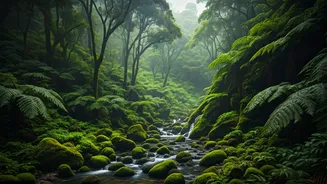
There's a palpable shift in traveller mindset towards sustainability, and the Western Ghats are perfectly positioned to cater to it. The region is one of the world's eight 'hottest hotspots' of biodiversity. This has spurred a rise in eco-tourism, with resorts and homestays focusing on minimal environmental impact, rainwater harvesting, and organic farming. Destinations like Thenmala in Kerala, India's first planned eco-tourism project, offer structured, responsible engagement with nature. Travellers are no longer just seeking a pretty view; they want to engage with unique flora and fauna, from the Nilgiri tahr to the lion-tailed macaque, in a way that feels responsible. This consciousness is a driving factor for choosing destinations where tourism and conservation appear to go hand-in-hand.
Year-Round Appeal and Diverse Experiences
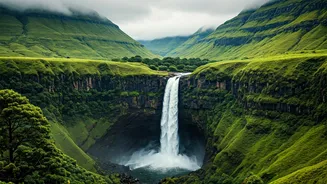
While the Himalayas are often seasonal, with many areas inaccessible during harsh winters, the Western Ghats offer varied experiences throughout the year. The monsoon, once considered an off-season, is now a major draw, with travellers flocking to witness the landscape's dramatic transformation, chase waterfalls like Jog and Dudhsagar, and even attend firefly festivals in the Sahyadris. The experiences are also more diverse. Beyond sightseeing, the Ghats offer specialised activities like coffee plantation tours, guided biodiversity walks, river rafting, and trekking through shola forests. This variety caters to a wider range of interests, from the dedicated adventurer to the laid-back foodie exploring the unique cuisines of Coorg or Malenadu.
A Shift in the Modern Traveller's Priorities
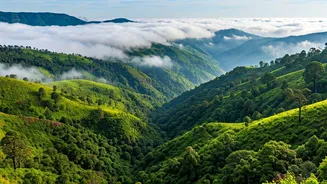
Ultimately, the trend reflects a maturing Indian traveller. The post-pandemic era has amplified the desire for wellness, space, and meaningful connection with nature. The search is no longer for the most popular spot, but for the most rejuvenating one. The Western Ghats deliver on this front, offering not just a holiday but an experience—be it the solitude of a forest trail, the fragrance of a spice plantation, or the simple joy of watching mist roll over emerald hills. While the Himalayas will always have their majestic charm, the modern traveller, armed with information and a clearer sense of what they want from a vacation, is increasingly voting with their feet for the quieter, greener, and more diverse allure of the Ghats.